

Hepatitis A is a viral infection that primarily affects the liver. It's typically transmitted through the ingestion of food or water contaminated with faecal matter from an infected person. Here are some common ways people get hepatitis A:
1. Contaminated Food and Water: Consuming food or water that has been contaminated with the virus is the most common transmission route. This often happens in areas with poor sanitation.
2. Person-to-Person Contact: Close contact with an infected person, such as caring for someone who is sick or engaging in sexual activities, can also lead to sexually transmitted disease.
3. Travel: Travelling to areas with high rates of hepatitis A increases the risk of infection, especially if visitors consume local food and water.
4. Poor Hygiene: Not washing hands properly after using the restroom or changing diapers can spread the virus.
Yes, hepatitis A typically goes away on its own without causing long-term liver damage. Most people recover completely within a few weeks to a few months. During this time, it's important to:
- Rest: Give your body time to heal.
- Stay Hydrated: Drink plenty of fluids to stay hydrated.
- Maintain a Healthy Diet: Eating a balanced diet can support recovery.
- Avoid Alcohol: Alcohol can exacerbate liver damage, so it should be avoided.
There's no specific treatment for hepatitis A; the focus is on relieving symptoms and supporting the body's natural healing process. After recovery, people develop lifelong immunity to the virus.
Hepatitis A can cause a range of symptoms, from mild to severe. The warning signs include:
- Fatigue: Feeling unusually tired and lacking energy.
- Nausea and Vomiting: Experiencing gastrointestinal discomfort.
- Abdominal Pain: Pain or discomfort, especially on the upper right side where the liver is located.
- Loss of Appetite: Reduced desire to eat.
- Fever: Mild fever, often accompanied by other symptoms.
- Jaundice: Yellowing of the skin and eyes, indicating liver dysfunction.
- Dark Urine: Urine that is much darker than usual.
- Pale Stools: Stool colour that is lighter than normal.
- Joint Pain: Pain in joints can sometimes occur.
These symptoms usually appear 2 to 6 weeks after exposure to the virus. If you notice these signs, it's important to seek medical attention for proper diagnosis and care.
Understanding hepatitis A is crucial for prevention and proper management. The virus is most commonly spread through contaminated food and water, but close personal contact can also be a risk factor. While hepatitis A does go away on its own in most cases, recognizing the warning signs and seeking medical advice can help ensure a smooth recovery.
Maintaining good hygiene and getting vaccinated are effective ways to prevent Hepatitis A.
Click here to book your vaccination appointment with one of our doctors.
Same Day Online Booking
No Time Limits Appointments
Online Consultations Available
Latest Blog Posts
Adult Asthma Explained: Symptoms, Silent Attacks, Causes, Testing, and Late-Onset Diagnosis
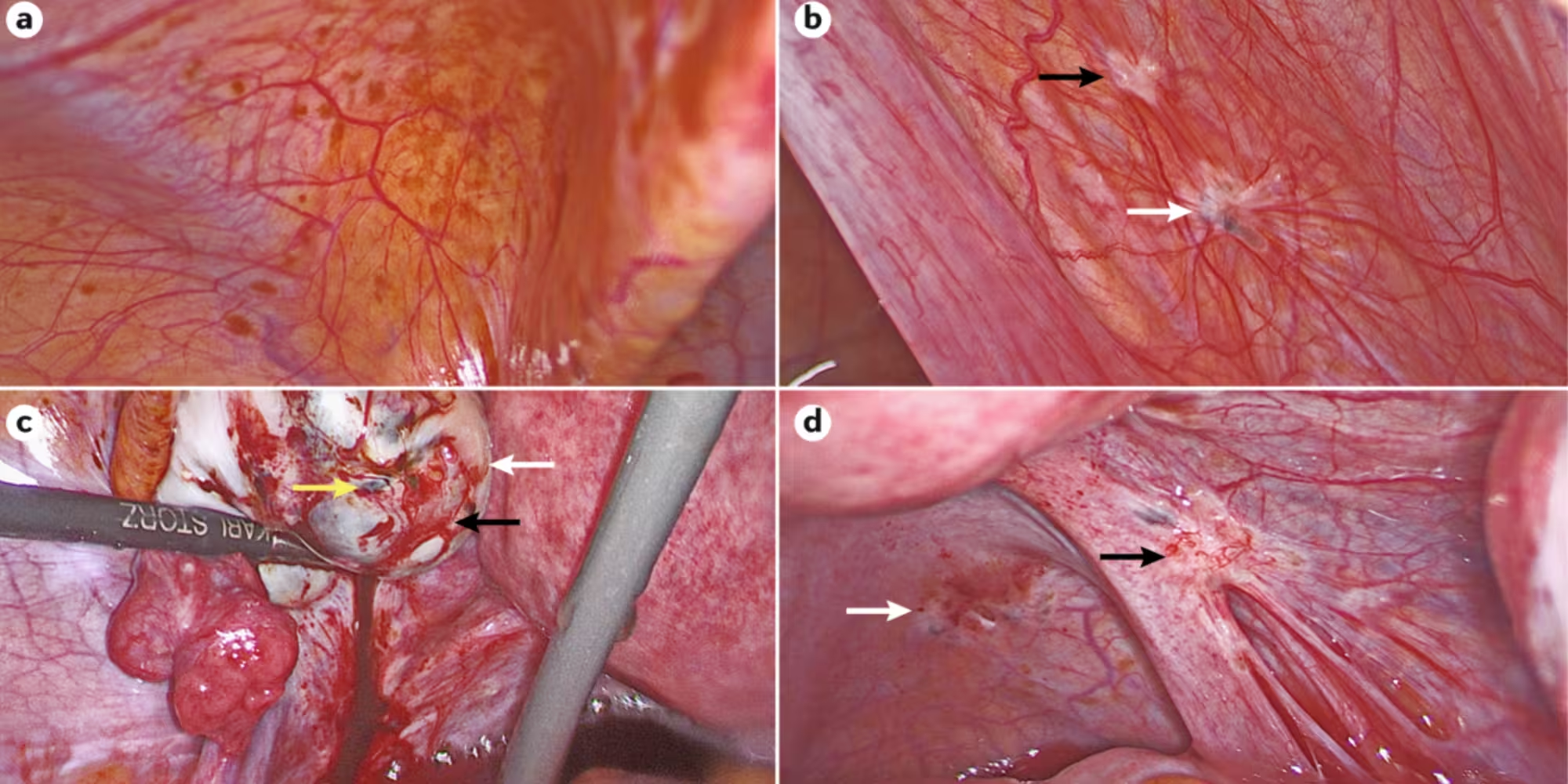
Endometriosis: Symptoms, Causes, Treatment

Rheumatoid Arthritis - Symptoms, Causes, Treatment

Non-Allergic Rhinitis: Symptoms, Triggers, and How It Differs From Hay Fever

Understanding ADHD: Symptoms, Treatments, and the Value of Private GP Services

Defeat Hay Fever: Understanding and Managing Symptoms in the UK
Ready to take the next step?
Before you go
STRUGGLING WITH HAYFEVER THIS SEASON?
Our hayfever treatment is fast, effective often providing relief within 24 hours.
Book Hayfever Treatment →Book a Hayfever Appointment

