Eczema Awareness Week: Your Questions Answered

Eczema Symptoms

Welcome to Eczema Awareness Week! Eczema is a skin condition that affects millions worldwide, yet there's still a lot of confusion around what it is, what causes it, and how to manage it. We've put together a Q&A to help answer some of the most common questions about eczema.

Q1: What exactly is eczema?
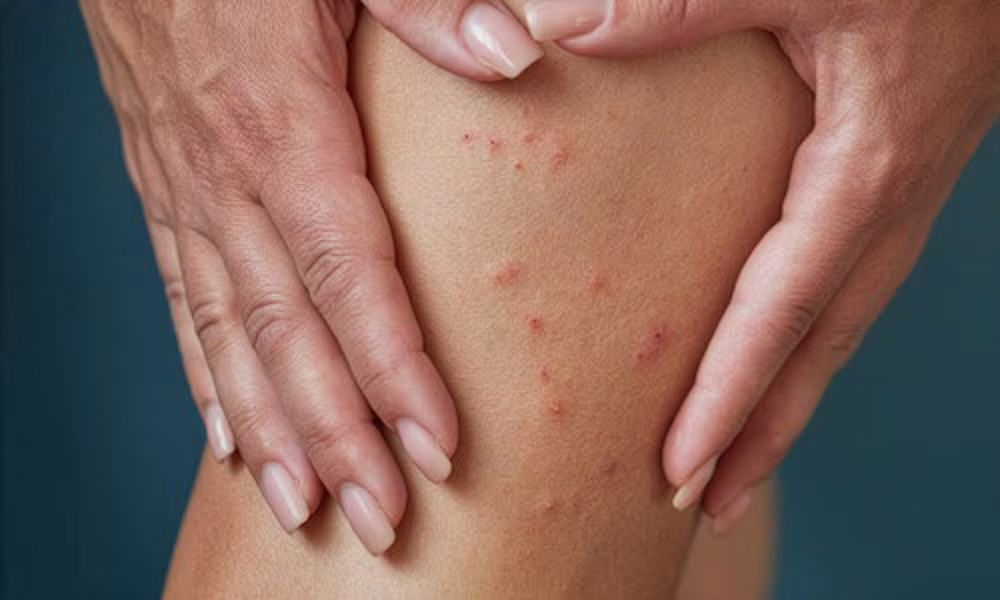
Eczema, or atopic dermatitis, is a chronic skin condition that causes inflammation, itching, dryness, and redness. The skin can become cracked, sore, and even bleed in severe cases. It often appears in patches, especially on the hands, face, elbows, and knees, and can affect both children and adults.

Q2: What causes eczema?
The exact cause of eczema isn't fully understood, but it's often linked to genetics and environmental factors. If you have a family history of eczema, asthma, or allergies, you're more likely to develop it. It is also triggered by irritants, allergens, stress, and changes in weather. Things like harsh soaps, certain fabrics, or even sweat can set off a flare-up.

Q3: Can eczema be prevented?
While there's no guaranteed way to prevent it, you can reduce the likelihood of flare-ups by taking care of your skin. Key steps include:

  • Keeping your skin moisturised with fragrance-free lotions or creams
  • Using gentle, non-irritating skin care products
  • Avoiding known triggers, such as allergens, harsh chemicals, or stress
  • Wearing soft, breathable fabrics like cotton
  • Keeping cool to avoid sweating, which can irritate the skin

Q4: Is eczema contagious?
No, it is not contagious. You cannot catch it by touching someone who has it or using the same personal items. It is related to the immune system and genetics, not a virus or bacteria.

Q5: How can eczema be treated?
Treatment depends on the severity of the condition. The most common treatments include:

  • Moisturisers: Regularly applying a good-quality, unscented moisturiser helps to keep the skin hydrated and prevent dryness.
  • Topical steroids: Corticosteroid creams or ointments can reduce inflammation during flare-ups.
  • Antihistamines: These can help control itching, especially at night.
  • Prescription treatments: For more severe cases, doctors may prescribe stronger topical treatments, oral medications, or even phototherapy (light therapy).

Always consult with your healthcare provider to create a treatment plan tailored to your specific needs.

Q6: What lifestyle changes can help manage eczema?
Beyond medical treatments, small lifestyle changes can make a big difference in managing eczema. These include:

  • Taking shorter, lukewarm showers or baths
  • Using hypoallergenic detergents and skincare products
  • Reducing stress through relaxation techniques like yoga or meditation
  • Keeping your home environment as dust-free as possible to avoid allergens

Q7: Does eczema go away on its own?
In some cases, eczema may improve or even disappear as a child grows older. However, for many people, eczema can be a lifelong condition that requires ongoing management. Flare-ups may come and go, but with proper treatment and care, symptoms can be kept under control.

Q8: Can diet affect eczema?
Diet can play a role, particularly for people who have food allergies or sensitivities. Common food triggers include dairy, nuts, soy, and wheat. However, it's important to consult with a healthcare professional before making any major dietary changes, as food triggers can vary greatly from person to person.

Q9: When should I see a doctor?
You should see a doctor if:

  • Your condition is severe or covers a large area of your body
  • Over-the-counter treatments aren't providing relief
  • You notice signs of infection, such as redness, pus, or swelling
  • Affecting your quality of life, sleep, or mental health

A healthcare provider can recommend stronger treatments or refer you to a dermatologist for specialised care.

Q10: How can I raise awareness during Awareness Week?
Sharing your experiences and spreading factual information can help raise awareness. You can also support eczema-related organisations, engage in discussions on social media, or participate in local events to help educate others.

Eczema can be challenging, but with the right information and care, it's possible to manage the condition and improve quality of life. If you have any concerns or questions, don't hesitate to reach out to a healthcare professional.

Let's keep the conversation going during Eczema Awareness Week! Share this blog, ask questions, and together we can support those living with this condition.

If you or someone you know is struggling with Eczema, click here to book an appointment with one of our doctors. 
Same Day Online Booking

Book your consultation online with our easy online booking form.

No Time Limits Appointments

Confidential same-day GP consultations with no time limits. Discuss your health concerns with an experienced doctor in a private and relaxing space.

Online Consultations Available

Same-day GP telephone or video consultations provide instant access to doctors. Prescriptions, medical certificates, referral letters & sick notes are available.

Dr Ibrahim Mutlib

Dr. Ibrahim Mutlib (BMBS, BMedSci) is an experienced GP with specialist interests in mental health, gastrointestinal health, and respiratory medicine. A clinical leader and published author, he is passionate about innovative, patient-centred care that supports both physical and emotional wellbeing.


Ready to take the next step?

Whether you're seeking advice or ready to book a consultation, we’re here to help. Explore our services or connect with a care professional today.

Latest blog posts

Ibuprofen tablets
News

NHS Warning Issued to Anyone Taking Naproxen and Aspirin Alongside Ibuprofen

The NHS has issued an important warning for people who use common painkillers, advising the public not to mix ibuprofen with other nonsteroidal anti-inflammatory drugs (NSAIDs) such as naproxen or aspirin.
School closures as NHS pressures grow
News

FLU-NAMI: Mutated ‘Superflu’ Strain Forces School Closures as NHS Pressures Grow

A newly emerging strain of influenza, widely referred to as the “superflu”, is rapidly spreading across the UK and causing significant disruption to schools, families, communities, and healthcare services.
Doctor talking to senior patient at home
Private GP

Your Guide to GP Home Visits in Sutton Coldfield

If you're feeling unwell but the thought of getting to a clinic fills you with dread, you're not alone.
Small red itchy bumps on the skin caused by scabies
Health

Scabies: Causes, Symptoms, Treatment & How to Prevent the Spread

Scabies is a highly contagious skin condition caused by the microscopic Sarcoptes scabiei mite. These mites burrow into the skin, leading to intense itching, irritation, and a distinctive rash.
Elderly couple shopping
News

Christmas Shopping May Expose These Two Hidden Dementia Signs, Doctors Caution

Families are being urged to stay alert during festive shopping trips this year, as specialists highlight two early dementia warning signs that often become more noticeable in crowded, fast-paced environments.
Vitamin D rich foods
Nutrition

The Health Benefits of Vitamin D Injections – A Complete Guide

Vitamin D is a crucial nutrient that plays a pivotal role in maintaining long-term health and overall wellbeing. From supporting a strong immune system to strengthening bones and improving mood.