Norovirus: Symptoms, Contagion, Recovery, and Treatment

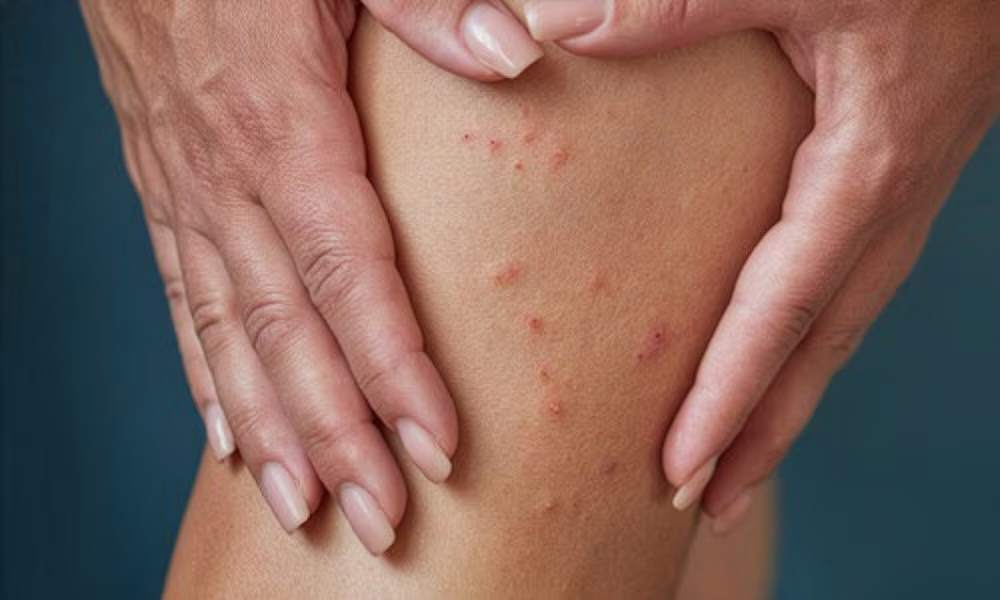
Women having norovirus symptoms

Norovirus, often referred to as the "winter vomiting bug", is one of the most common causes of gastroenteritis. Highly contagious and fast-spreading, it's responsible for outbreaks in schools, care homes, and other shared spaces, particularly during colder months.

What is Norovirus?

Norovirus is a group of viruses that cause inflammation of the stomach and intestines, leading to acute gastroenteritis. While it can strike at any time, it's most prevalent during the winter months. It spreads quickly through contaminated food, water, surfaces, or direct contact with an infected person.

What Are the Symptoms of Norovirus?

Symptoms typically appear 12–48 hours after exposure and may include:

  • Nausea
  • Vomiting
  • Diarrhoea
  • Stomach cramps
  • Fever or chills
  • Muscle aches
  • Fatigue

Symptoms usually last 1–3 days, but for some people, particularly young children, older adults, and those with weakened immune systems, the illness may linger longer or be more severe.

How Do You Know If You Have Norovirus?

If you experience a sudden onset of vomiting and diarrhoea along with other flu-like symptoms, it's likely you've contracted norovirus. While it can resemble food poisoning or other stomach bugs, a healthcare provider may confirm norovirus during an outbreak or with laboratory testing if necessary.

How Long Are You Contagious with Norovirus?

Norovirus is highly contagious and can be spread:

  • From the onset of symptoms until at least 48 hours after they stop.
  • Through contaminated surfaces, food, and water, as the virus can survive for weeks outside the body.

It's important to maintain strict hygiene practices, even after feeling better, as the virus can linger in stool for up to two weeks post-infection.

How Long Does It Take to Recover from Norovirus?

Most people recover from norovirus within 1–3 days. While symptoms like diarrhoea or fatigue might persist slightly longer, the body typically clears the virus quickly. However, recovery may take longer for vulnerable individuals.

How Do You Treat Norovirus?

There's no specific treatment or antiviral medication for norovirus. However, you can manage symptoms and speed recovery with these tips:

  1. Stay Hydrated: Vomiting and diarrhoea can lead to dehydration. Drink water, oral rehydration solutions, or clear broths to replenish lost fluids and electrolytes.
  2. Rest: Give your body time to recover by getting plenty of rest.
  3. Eat Bland Foods: Once nausea subsides, stick to plain foods like rice, toast, bananas, or applesauce. Avoid spicy, fatty, or sugary foods until your stomach settles.
  4. Practice Good Hygiene: Wash your hands frequently with soap and water, clean surfaces thoroughly, and avoid preparing food for others until at least 48 hours after symptoms end.

When to Seek Medical Advice

While most cases resolve on their own, seek medical attention if:

  • You're unable to keep fluids down for more than 24 hours.
  • Symptoms worsen or persist beyond a few days.
  • You show signs of severe dehydration, such as dizziness, confusion, or decreased urination.

Prevention Tips

To avoid contracting or spreading norovirus:

  • Wash hands frequently with soap and water (hand sanitisers are less effective).
  • Clean and disinfect contaminated surfaces promptly.
  • Wash fruits and vegetables thoroughly.
  • Avoid contact with sick individuals, if possible.

Norovirus is unpleasant, but with proper care and precautions, most people recover quickly. Stay mindful of hygiene practices, and if you suspect you have norovirus, take measures to protect yourself and those around you.

Click here to book an appointment with one of our Doctors. 
Same Day Online Booking

Book your consultation online with our easy online booking form.

No Time Limits Appointments

Confidential same-day GP consultations with no time limits. Discuss your health concerns with an experienced doctor in a private and relaxing space.

Online Consultations Available

Same-day GP telephone or video consultations provide instant access to doctors. Prescriptions, medical certificates, referral letters & sick notes are available.

Dr Ibrahim Mutlib

Dr. Ibrahim Mutlib (BMBS, BMedSci) is an experienced GP with specialist interests in mental health, gastrointestinal health, and respiratory medicine. A clinical leader and published author, he is passionate about innovative, patient-centred care that supports both physical and emotional wellbeing.

Ready to take the next step?

Whether you're seeking advice or ready to book a consultation, we’re here to help. Explore our services or connect with a care professional today.

Latest blog posts

Ibuprofen tablets
News

NHS Warning Issued to Anyone Taking Naproxen and Aspirin Alongside Ibuprofen

The NHS has issued an important warning for people who use common painkillers, advising the public not to mix ibuprofen with other nonsteroidal anti-inflammatory drugs (NSAIDs) such as naproxen or aspirin.
School closures as NHS pressures grow
News

FLU-NAMI: Mutated ‘Superflu’ Strain Forces School Closures as NHS Pressures Grow

A newly emerging strain of influenza, widely referred to as the “superflu”, is rapidly spreading across the UK and causing significant disruption to schools, families, communities, and healthcare services.
Doctor talking to senior patient at home
Private GP

Your Guide to GP Home Visits in Sutton Coldfield

If you're feeling unwell but the thought of getting to a clinic fills you with dread, you're not alone.
Small red itchy bumps on the skin caused by scabies
Health

Scabies: Causes, Symptoms, Treatment & How to Prevent the Spread

Scabies is a highly contagious skin condition caused by the microscopic Sarcoptes scabiei mite. These mites burrow into the skin, leading to intense itching, irritation, and a distinctive rash.
Elderly couple shopping
News

Christmas Shopping May Expose These Two Hidden Dementia Signs, Doctors Caution

Families are being urged to stay alert during festive shopping trips this year, as specialists highlight two early dementia warning signs that often become more noticeable in crowded, fast-paced environments.
Vitamin D rich foods
Nutrition

The Health Benefits of Vitamin D Injections – A Complete Guide

Vitamin D is a crucial nutrient that plays a pivotal role in maintaining long-term health and overall wellbeing. From supporting a strong immune system to strengthening bones and improving mood.