
Written by Dr. Simon Khela MBChB MRCGP, GMC Registered Doctor
_________________________________________________________________________
Semaglutide is the active ingredient in Wegovy, a prescription GLP-1 receptor agonist used for weight management in eligible patients. Wegovy injections are normally administered once weekly and work by reducing appetite, increasing feelings of fullness and helping people consume less food.
In the UK, Wegovy is authorised for weight management and can be prescribed privately following an appropriate clinical assessment. It may also be available through the NHS for people who meet specific NICE criteria and are treated through an appropriate specialist weight-management service.
Semaglutide was originally developed to help manage type 2 diabetes. Different semaglutide brands are authorised for different purposes. Wegovy is used for weight management, while Ozempic and Rybelsus are primarily indicated for type 2 diabetes.
Semaglutide injections are also commonly described as weight-loss shots, weight-loss jabs or slimming injections. They are prescription medicines that act throughout the body and should not be confused with cosmetic fat-dissolving injections intended to target small areas of localised fat.
Research shows that semaglutide can support clinically significant weight loss when combined with dietary changes, increased physical activity and ongoing medical care. However, semaglutide is not a quick fix or a miracle treatment. It works best as part of a medically supervised weight-management programme.
A clinical assessment is required to review your:
• BMI and current weight
• weight-related health conditions
• medical history
• current medicines
• previous weight-management treatment
• pregnancy plans
• treatment goals
• possible contraindications and safety risks
At Private Medical Clinic, semaglutide is prescribed as part of a doctor-led treatment programme rather than offered as a standalone injection.
| Question | Answer |
|---|---|
| What is semaglutide? | A GLP-1 receptor agonist used in medicines including Wegovy |
| Is semaglutide used for weight loss? | Yes. Wegovy is the semaglutide brand authorised for weight management |
| How often is Wegovy injected? | Usually once weekly |
| Where is semaglutide injected? | Under the skin of the abdomen, thigh or upper arm |
| Is semaglutide insulin? | No. It is a GLP-1 receptor agonist |
| Does semaglutide target stomach fat? | No. It supports overall weight loss rather than fat loss from one specific area |
| Is a prescription required? | Yes |
| Is Wegovy available privately? | Yes, subject to clinical eligibility |
| Is Wegovy available on the NHS? | Yes, but NHS access is subject to specific NICE criteria and specialist pathways |
| Is semaglutide suitable for everyone? | No. Safety and eligibility must be assessed individually |
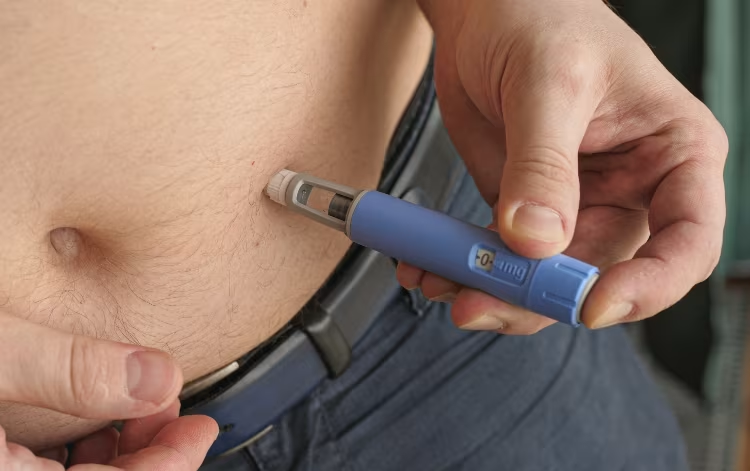
Wegovy is injected under the skin of the abdomen, thigh or upper arm. It should not be injected into a muscle or vein.
Semaglutide is a prescription medicine belonging to a group of treatments called glucagon-like peptide-1 receptor agonists, commonly shortened to GLP-1 receptor agonists or GLP-1 medicines.
It works in a similar way to the naturally occurring GLP-1 hormone, which is released after eating and is involved in:
• appetite regulation
• feelings of fullness
• insulin release
• blood-glucose regulation
• the movement of food through the stomach
By activating GLP-1 receptors, semaglutide can reduce hunger, increase satiety and help people feel satisfied after eating smaller portions. It may also slow the movement of food through the stomach, particularly when treatment begins or the dose is increased.
Semaglutide is not insulin, a stimulant or a cosmetic fat-burning injection. It does not directly dissolve fat or selectively remove fat from the stomach, thighs or another specific body area.
Different semaglutide products have different authorised uses:
| Brand | Active ingredient | Main UK use |
|---|---|---|
| Wegovy | Semaglutide | Weight management and certain other authorised indications |
| Ozempic | Semaglutide | Type 2 diabetes |
| Rybelsus | Semaglutide | Type 2 diabetes |
Although these products contain the same active ingredient, they are not automatically interchangeable. Their formulations, authorised uses, doses and administration instructions can differ.
No. Prescription weight-loss injections and cosmetic fat-dissolving injections are different types of treatment.
Prescription weight-loss injections act throughout the body by influencing hormones involved in appetite, fullness, digestion and blood-glucose regulation. They are designed to support overall weight management in people who meet the relevant clinical criteria.
Fat-dissolving injections are cosmetic procedures intended to reduce small deposits of fat in a particular area.
Semaglutide does not dissolve fat in one specific body area. Any reduction in abdominal, thigh or other body fat occurs as part of overall weight loss.
Weight-loss injections are prescription medicines used to support weight management in eligible patients. Several treatments influence biological pathways involved in appetite and fullness.
Common prescription weight-management injections include:
| Brand | Active ingredient | Usual frequency |
|---|---|---|
| Wegovy | Semaglutide | Once weekly |
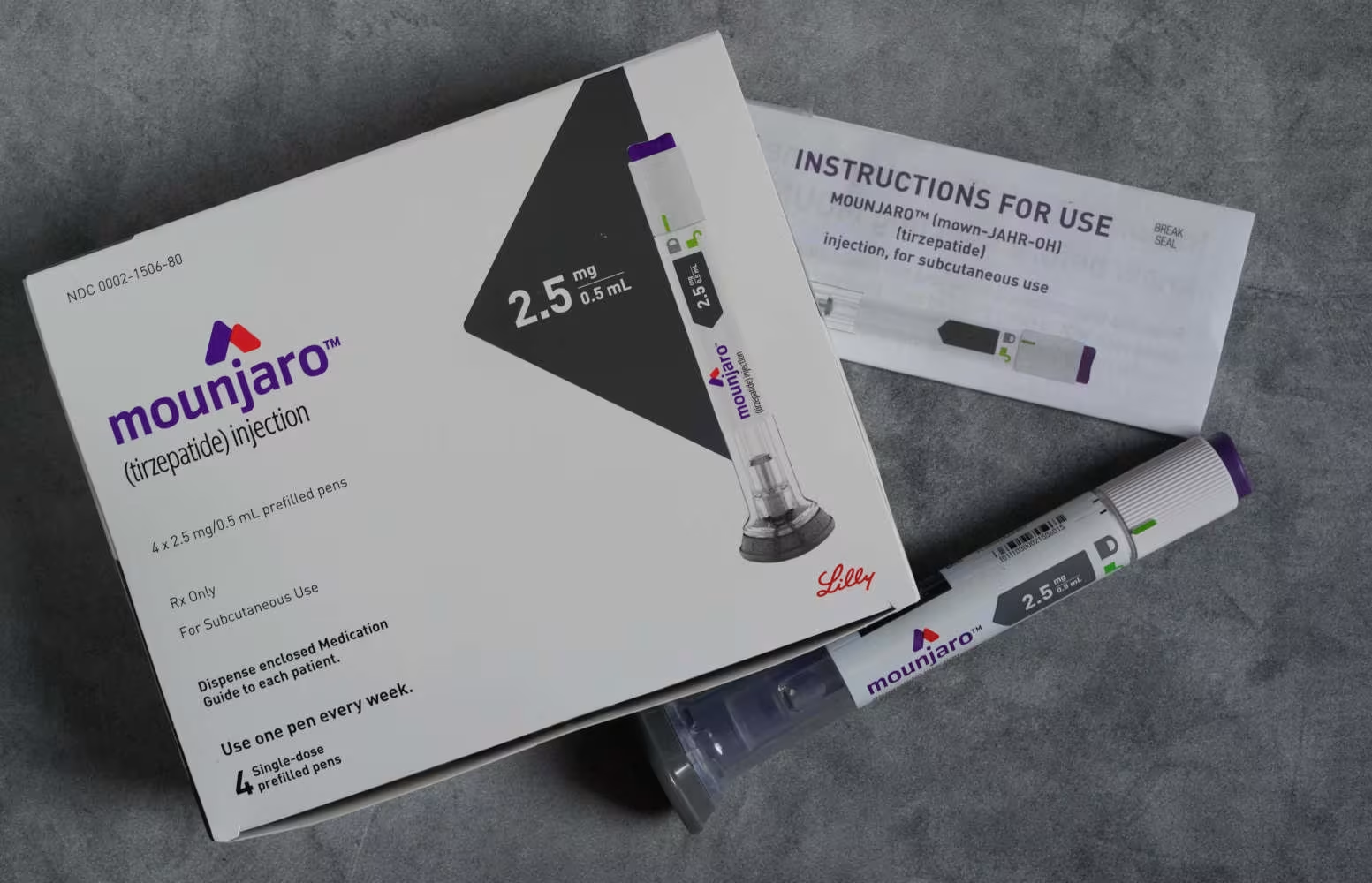
| Mounjaro | Tirzepatide | Once weekly |
| Saxenda | Liraglutide | Once daily |
Weight-loss injections may also be described as weight-loss shots, slimming injections, diet injections or weight-loss jabs.
They are not intended for rapid or purely cosmetic weight loss in people who do not meet the relevant medical criteria. The MHRA advises that GLP-1 medicines should only be used for authorised medical purposes and obtained through legitimate prescribing and pharmacy services.
Wegovy is administered as a subcutaneous injection, which means it is injected into the fatty tissue immediately beneath the skin.
Semaglutide supports weight loss through several connected effects.
Semaglutide acts on areas of the brain involved in hunger and food intake.
Patients may feel satisfied after eating smaller portions.
Reduced hunger and fewer food cravings may make it easier to follow an appropriate reduced-calorie eating plan.
Semaglutide can influence how quickly food leaves the stomach, which may contribute to feelings of fullness.
Semaglutide can stimulate insulin release when blood glucose is elevated and reduce inappropriate glucagon release.
Wegovy injections are normally taken once weekly. The medicine can be injected under the skin of the abdomen, thigh or upper arm. Patients should rotate injection sites and follow the instructions supplied with their pen.
No. Semaglutide is not insulin.
Although some semaglutide products are prescribed for people with type 2 diabetes, semaglutide belongs to the GLP-1 receptor agonist class and works differently from insulin injections.
No. Wegovy and Ozempic both contain semaglutide, but they are authorised for different primary purposes.
Wegovy is used for weight management, while Ozempic is primarily authorised for type 2 diabetes. Patients should not switch between these products without guidance from a qualified prescriber. For a fuller side-by-side comparison, see our GP-led breakdown of Wegovy, Mounjaro and Ozempic.
No. Other prescription weight-management injections include Mounjaro, which contains tirzepatide, and Saxenda, which contains liraglutide.
The most appropriate treatment depends on factors including:
• medical history
• BMI
• weight-related health risks
• previous treatment response
• current medication
• personal preferences
• potential side effects
• clinical eligibility
Semaglutide is injected under the skin rather than into a muscle or vein.
Recommended injection areas include:
• the abdomen
• the front of the thighs
• the upper arm
Injection sites should be rotated to reduce irritation. Patients should avoid injecting into skin that is sore, bruised, inflamed, scarred or otherwise damaged.
Wegovy can normally be administered at any time of day, with or without meals, on the prescribed day of the week. Patients should follow the instructions provided by their clinician and the current patient information leaflet.
Semaglutide has been shown to produce clinically significant weight loss in adults with obesity or overweight when used alongside dietary changes, increased physical activity and behavioural support.
In the 68-week STEP 1 trial, adults receiving once-weekly semaglutide 2.4 mg lost an average of 14.9% of their starting body weight, compared with 2.4% among participants receiving placebo. Both groups received lifestyle intervention.
The study also reported that:
• 86.4% of participants receiving semaglutide lost at least 5% of their starting weight
• 69.1% lost at least 10%
• 50.5% lost at least 15%
These figures are trial averages and should not be interpreted as guaranteed individual results.
Treatment response may be affected by:
• the dose reached
• the length of treatment
• side effects and tolerability
• dietary intake
• physical activity
• sleep
• medical conditions
• current medicines
• adherence to treatment
• individual biology
Semaglutide begins affecting appetite and blood-glucose regulation after treatment starts, but noticeable weight loss can take time.
Wegovy is normally introduced at a low dose and increased gradually. These early doses are intended primarily to help the body adjust to treatment and reduce side effects.
Some patients notice appetite changes during the first few weeks. Others may not experience substantial weight loss until they have reached a higher dose and remained on treatment for several months.
A lack of significant weight loss during the first month does not necessarily mean the treatment will be ineffective.
There is no fixed amount of weight that every patient should expect to lose each month.
Weight can fluctuate due to:
• fluid balance
• food intake
• physical activity
• bowel habits
• hormonal changes
• illness
• sleep and stress
Progress should be assessed over an appropriate period rather than judged from one week or one injection. Patients should never increase their dose early or take additional medication to try to accelerate weight loss.
No. Semaglutide does not selectively remove abdominal fat.
It supports overall weight loss by reducing appetite and energy intake. Some patients may lose fat from the abdomen as their overall weight falls, but body-fat distribution varies between individuals.
Weight regain is common after semaglutide is stopped.
This does not necessarily mean that the patient has failed or lacks willpower. Obesity is a chronic condition influenced by appetite, hormones, metabolism, behaviour and the wider environment.
When semaglutide is discontinued, its appetite-suppressing effect gradually reduces. Hunger and food intake may increase again, making weight maintenance more difficult.
Patients considering stopping treatment should discuss a long-term maintenance plan with their clinician. This may include:
• continued dietary support
• physical-activity planning
• behavioural support
• regular monitoring
• review of alternative treatment options
• management of weight-related health conditions
Semaglutide should not be stopped, restarted or used intermittently without appropriate medical guidance.
Semaglutide can cause side effects, and they are not always mild. The most frequently reported effects involve the digestive system and are particularly common when treatment begins or after the dose is increased.
Commonly reported side effects include:
• nausea
• vomiting
• diarrhoea
• constipation
• abdominal pain
• indigestion
• bloating
• headache
• fatigue
• dizziness
These symptoms may improve as the body adjusts to treatment. Patients should speak to their prescriber if side effects are persistent, severe or interfere with eating and drinking.
Starting at a low dose and increasing it gradually may help reduce gastrointestinal side effects. The dose should only be changed in accordance with the prescribed schedule.
Yes. Persistent vomiting or diarrhoea can cause dehydration.
In some cases, fluid loss may worsen kidney function, especially in patients with existing kidney problems.
Seek medical advice if you:
• cannot keep fluids down
• are urinating much less than normal
• feel severely weak or dizzy
• experience persistent vomiting or diarrhoea
• develop signs of significant dehydration
Potentially serious complications can include:
• acute pancreatitis
• gallbladder problems
• severe gastrointestinal reactions
• dehydration-related kidney injury
• serious allergic reactions
• low blood sugar when combined with insulin or certain diabetes medicines
• worsening diabetic retinopathy in susceptible patients
• sudden or rapidly worsening vision problems
The MHRA advises patients to seek urgent medical help for severe, persistent abdominal pain that may spread to the back, as this can be a sign of acute pancreatitis.
Semaglutide has also been associated with a very rare eye condition called non-arteritic anterior ischaemic optic neuropathy, or NAION. Sudden loss of vision or rapidly worsening eyesight requires urgent medical assessment.
Seek urgent medical assistance if you develop:
• severe and persistent abdominal pain
• repeated vomiting or inability to keep fluids down
• swelling of the face, lips, tongue or throat
• difficulty breathing
• severe dizziness, confusion or fainting
• sudden loss or rapid deterioration of vision
• symptoms of severe low blood sugar when using insulin or a sulphonylurea
Suspected adverse reactions can also be reported through the MHRA Yellow Card scheme.
Semaglutide injections are not suitable for everyone. Eligibility depends on the authorised indication, BMI, weight-related health conditions, medical history, current medicines and an individual clinical assessment.
The general adult weight-management indication includes patients with an initial:
• BMI of 30 kg/m2 or above, or
• BMI from 27 kg/m2 to below 30 kg/m2 with at least one weight-related health condition
Relevant conditions may include:
• obstructive sleep apnoea
• cardiovascular disease
• prediabetes
Meeting these general criteria does not guarantee that treatment will be prescribed.
Private Prescriptions is based on the product's authorised indication and a clinician's assessment of whether treatment is safe and appropriate.
A prescriber may consider:
• BMI and weight-related health risk
• previous weight-management attempts
• existing medical conditions
• current medicines
• pregnancy plans
• gastrointestinal health
• history of pancreatitis or gallbladder problems
• kidney and liver function
• diabetes treatment
• eating-disorder history
• ability to attend monitoring and follow-up
NHS access is more restricted than general private eligibility.
NICE recommends semaglutide alongside a reduced-calorie diet and increased physical activity for eligible adults when it is used within an appropriate specialist weight-management service. The existing NICE recommendation generally limits treatment to a maximum of two years within that pathway.
Access can also depend on local referral arrangements, service capacity and commissioning decisions.
Semaglutide may be unsuitable or require additional caution in patients who:
• are pregnant, breastfeeding or trying to conceive
• have a history of pancreatitis
• have severe gastrointestinal disease
• have delayed stomach emptying
• have significant kidney or liver impairment
• use insulin or medicines that can cause hypoglycaemia
• have diabetic retinopathy
• have an active or previous eating disorder
• have experienced a serious allergic reaction to semaglutide
• already use another GLP-1 or GIP/GLP-1 medicine
• are due to undergo surgery, sedation or general anaesthesia
These factors are not all automatic exclusions. Suitability must be assessed according to the current product information and the patient's individual clinical circumstances.
Semaglutide is not insulin and is not a replacement for insulin treatment.
People with diabetes require careful clinical assessment because semaglutide may affect blood-glucose control and the doses of other diabetes medicines.
Semaglutide should not be used during pregnancy or while trying to conceive.
UK safety guidance advises stopping semaglutide at least two months before a planned pregnancy because the medicine remains in the body for an extended period.
Patients should:
• tell their prescriber if they are planning a pregnancy
• use appropriate contraception where advised
• stop treatment and seek medical advice if pregnancy occurs
• discuss alternative treatment when semaglutide is being used for diabetes
• avoid using GLP-1 medicines during breastfeeding unless specifically advised by an appropriate clinician
The MHRA advises that GLP-1 medicines should not be used during pregnancy, while trying to conceive or during breastfeeding because there is insufficient evidence to establish safety for the baby.
Before prescribing semaglutide, a clinician may review:
• height, weight and BMI
• waist measurement where relevant
• weight-related health conditions
• previous weight-management treatments
• prescription and non-prescription medicines
• diabetes history and blood-glucose treatment
• gastrointestinal symptoms
• pancreatitis and gallbladder history
• pregnancy and contraception
• eating-disorder history
• relevant medical records or blood-test results
• treatment expectations
• long-term weight-management goals
The consultation is not simply intended to determine whether a patient meets a BMI threshold. Its purpose is to decide whether semaglutide is safe, appropriate and likely to provide more benefit than risk.
Patients should disclose GLP-1 treatments obtained from private clinics or online providers because they may not automatically appear in NHS medical records.
Wegovy treatment normally begins at a low dose and is increased gradually over several months.
A standard dose-escalation schedule is:
| Treatment period | Weekly dose |
|---|---|
| Weeks 1-4 | 0.25 mg |
| Weeks 5-8 | 0.5 mg |
| Weeks 9-12 | 1 mg |
| Weeks 13-16 | 1.7 mg |
| Week 17 onwards | 2.4 mg maintenance dose |
The timing may be adjusted if side effects are difficult to tolerate.
In January 2026, the MHRA authorised an increase to a maximum weekly dose of 7.2 mg for certain adults with obesity. This higher dose is not the standard starting or maintenance dose for every patient and should only be used when specifically prescribed after appropriate assessment. This follows a wider pattern of stricter weight-loss jab regulation across the UK.
A single-dose 7.2 mg pen was subsequently authorised in April 2026.
Patients must not alter their dose, combine injections or attempt to create a higher dose without explicit prescribing instructions.
Yes. The MHRA authorised a Wegovy semaglutide tablet for weight management in June 2026.
The tablet is a separate formulation with different dosing and administration instructions from the weekly injection. Its authorisation does not mean it will immediately be available through every private provider or NHS pathway.
Patients should not substitute oral and injectable semaglutide without clinical guidance.
The cost of private semaglutide treatment varies according to:
• the prescribed product
• dose
• duration of treatment
• provider
• consultation fees
• monitoring and clinical support
• dispensing arrangements
Patients should confirm what is included in the quoted price, such as consultations, follow-up reviews and ongoing clinical support.
Treatment should not be chosen solely on price. Semaglutide should only be prescribed after an appropriate clinical assessment and dispensed through a legitimate registered pharmacy.
Avoid buying semaglutide from social-media sellers, beauty salons, unverified websites or individuals who do not require a prescription, in line with recent warnings about fake weight-loss injections sold in the UK.
Semaglutide can be an effective weight-management treatment, but it is not appropriate for everyone.
A doctor-led consultation can help determine whether Wegovy or another treatment is suitable based on your BMI, medical history, current medicines, previous treatment and long-term health goals.
Book a weight-loss consultation with Private Medical Clinic to receive an individual assessment and discuss the safest and most appropriate treatment options.
Wegovy injections are usually administered once weekly under the skin. Treatment starts at a low dose and is gradually increased to improve tolerability. Your prescriber may delay a dose increase if you experience significant side effects.
Semaglutide is injected under the skin of the abdomen, thigh or upper arm. Injection sites should be rotated. The medicine should not be injected into a muscle or vein.
No. Semaglutide is a GLP-1 receptor agonist, not insulin. Some semaglutide products are used to treat type 2 diabetes, which is why they are sometimes informally described as diabetes injections.
No. Both contain semaglutide, but Wegovy is authorised for weight management and Ozempic is primarily authorised for type 2 diabetes.
Ozempic is not the semaglutide brand authorised specifically for weight management. Wegovy is the relevant semaglutide weight-management product. Prescribing decisions must be made by a qualified clinician according to the licensed indication, clinical need and current guidance.
No. Other prescription options include Mounjaro and Saxenda. Different medicines contain different active ingredients and have different dosing schedules, benefits, risks and eligibility requirements.
Some patients notice reduced appetite or early weight loss during the first few weeks. However, the initial dose is mainly intended to help the body adjust to treatment. Significant weight loss may take several months.
Hunger and food intake may increase after treatment stops, and some weight regain is common. Patients should agree on a long-term maintenance plan with their clinician before stopping.
Yes, but only for patients who meet the relevant NICE criteria and can access an appropriate specialist weight-management pathway.
Yes. Private treatment is available for eligible patients following a clinical assessment.
In the STEP 1 trial, patients receiving semaglutide 2.4 mg with lifestyle support lost an average of 14.9% of their starting body weight over 68 weeks. Individual results vary, and no specific amount of weight loss can be guaranteed.
Common side effects include nausea, vomiting, diarrhoea, constipation, abdominal discomfort, bloating, headache and fatigue. Patients should seek advice if symptoms are severe, persistent or make it difficult to eat or drink.
"Microdosing" is not part of the standard authorised Wegovy dose schedule. Patients should not split, estimate or change doses without medical guidance. Using an unapproved dosing strategy may result in ineffective treatment, dosing errors or avoidable side effects.
There is not necessarily a complete prohibition on alcohol, but alcohol can worsen nausea, dehydration and blood-glucose instability in some patients. Patients should ask their clinician for personalised advice, particularly if they have diabetes, pancreatitis risk, liver disease or significant gastrointestinal side effects.
Missed-dose instructions depend on how much time has passed and the current product guidance. Patients should follow the leaflet supplied with their medicine or contact their pharmacist or prescriber rather than doubling the next dose.
Same Day Online Booking
No Time Limits Appointments
Online Consultations Available
Latest Blog Posts
Semaglutide Weight Loss Injections - What You Need To Know

WeGovy Weight Loss Injections: A Breakthrough in Weight Management

Weight Loss Pens: A Comprehensive Guide To WeGovy vs. Mounjaro

Weight Loss Pens: Government Issues Warning On Fakes Sold In The UK

Weight Loss Pens: Are They Safe? A Complete Guide
Stricter Weight-Loss Jab Regulations in the UK: What It Means for Patients & Pharmacies
Ready to take the next step?

