Sepsis: Raising Awareness on World Sepsis Day

World Sepsis Day

World Sepsis Day, observed on September 13th, is a crucial reminder of the dangers of Sepsis—a life-threatening condition that requires immediate medical attention. Sepsis is often misunderstood and can progress rapidly, making awareness and education vital.

What is Sepsis?

Sepsis claims 11 million lives globally each year. It occurs when the body's response to an infection becomes extreme, triggering widespread inflammation that can lead to tissue damage, organ failure, and even death. It's a medical emergency, and recognizing the signs early can be the difference between life and death.

What Are the Signs?

The signs can be subtle and are often mistaken for other conditions, making it crucial to be aware of the symptoms. The common signs of sepsis include:

  • High Heart Rate or Low Blood Pressure: A rapid heart rate and a drop in blood pressure are key indicators.
  • Fever or Hypothermia: A high fever (above 101°F or 38.3°C) or, conversely, a dangerously low body temperature (below 96.8°F or 36°C).
  • Confusion or Disorientation: Sepsis can affect the brain, leading to confusion, disorientation, or delirium.
  • Shortness of Breath: Difficulty breathing or rapid breathing is a serious symptom.
  • Extreme Pain or Discomfort: Unexplained, severe pain or discomfort is a warning sign.
  • Clammy or Sweaty Skin: Skin that feels clammy or cold to the touch, or is excessively sweaty.

If you or someone you know exhibits these symptoms, especially following an infection, it's critical to seek medical attention immediately. This condition can escalate quickly, so early intervention is key.

How Do People Get Sepsis?

Sepsis usually begins with an infection, which can be bacterial, viral, fungal, or parasitic. While any infection can lead to sepsis, certain infections are more likely to cause it, such as:

  • Pneumonia: A common cause, especially in older adults.
  • Urinary Tract Infections (UTIs): Particularly in the elderly, UTIs can progress to sepsis if untreated.
  • Skin Infections: Including cellulitis or infected wounds.
  • Abdominal Infections: Such as appendicitis or peritonitis.
  • Infections from Medical Devices: Such as catheters or surgical procedures.

Certain populations are at higher risk, including the very young, the elderly, those with chronic conditions (like diabetes or cancer), and individuals with weakened immune systems.

How Long Can You Survive?

The survival rate varies greatly depending on the severity of the condition and how quickly it is treated. Without prompt treatment, sepsis can rapidly progress to septic shock, where blood pressure drops to dangerously low levels, leading to organ failure.

  • Immediate Response: If recognised and treated early, the chances of survival are significantly higher. Antibiotics and intravenous fluids are typically administered as soon as possible, and many people recover fully if the treatment is timely.
  • Delayed Response: If treatment is delayed, the condition can worsen, leading to septic shock. In this case, the mortality rate increases dramatically, with estimates showing that septic shock has a mortality rate of up to 40%.
  • Long-term Impact: Survivors often face a long recovery process and may experience post-sepsis syndrome, which includes symptoms like fatigue, cognitive issues, and chronic pain.

How to Avoid Sepsis

Prevention is always better than cure, and there are several steps you can take to reduce the risk of developing sepsis:

  • Practise Good Hygiene: Regular handwashing with soap and water is one of the simplest and most effective ways to prevent infections.
  • Keep Vaccinations Up to Date: Vaccines can prevent infections that could lead to sepsis, such as pneumonia or influenza.
  • Treat Infections Promptly: If you suspect you have an infection, seek medical attention early. This is particularly important for people with chronic illnesses or weakened immune systems.
  • Care for Wounds Properly: Clean and cover cuts or wounds to prevent them from becoming infected.
  • Be Aware of Symptoms: Know the signs of sepsis and seek medical help if you suspect it, especially if you've recently had an infection or surgery.
  • Seek Immediate Medical Attention: If you or a loved one shows signs of an infection that isn't improving or is getting worse, see a healthcare professional right away. Early treatment can prevent an infection from escalating to sepsis.

Sepsis is a serious condition that can develop rapidly and have life-threatening consequences. However, with greater awareness and understanding, it is possible to recognise the signs early, seek prompt medical attention, and take preventative measures to reduce the risk. On this World Sepsis Day, let's commit to spreading knowledge about sepsis and supporting efforts to improve prevention, diagnosis, and treatment. Your awareness could save a life.

Click here to book an appointment with one of our doctors.
Same Day Online Booking

Book your consultation online with our easy online booking form.

No Time Limits Appointments

Confidential same-day GP consultations with no time limits. Discuss your health concerns with an experienced doctor in a private and relaxing space.

Online Consultations Available

Same-day GP telephone or video consultations provide instant access to doctors. Prescriptions, medical certificates, referral letters & sick notes are available.

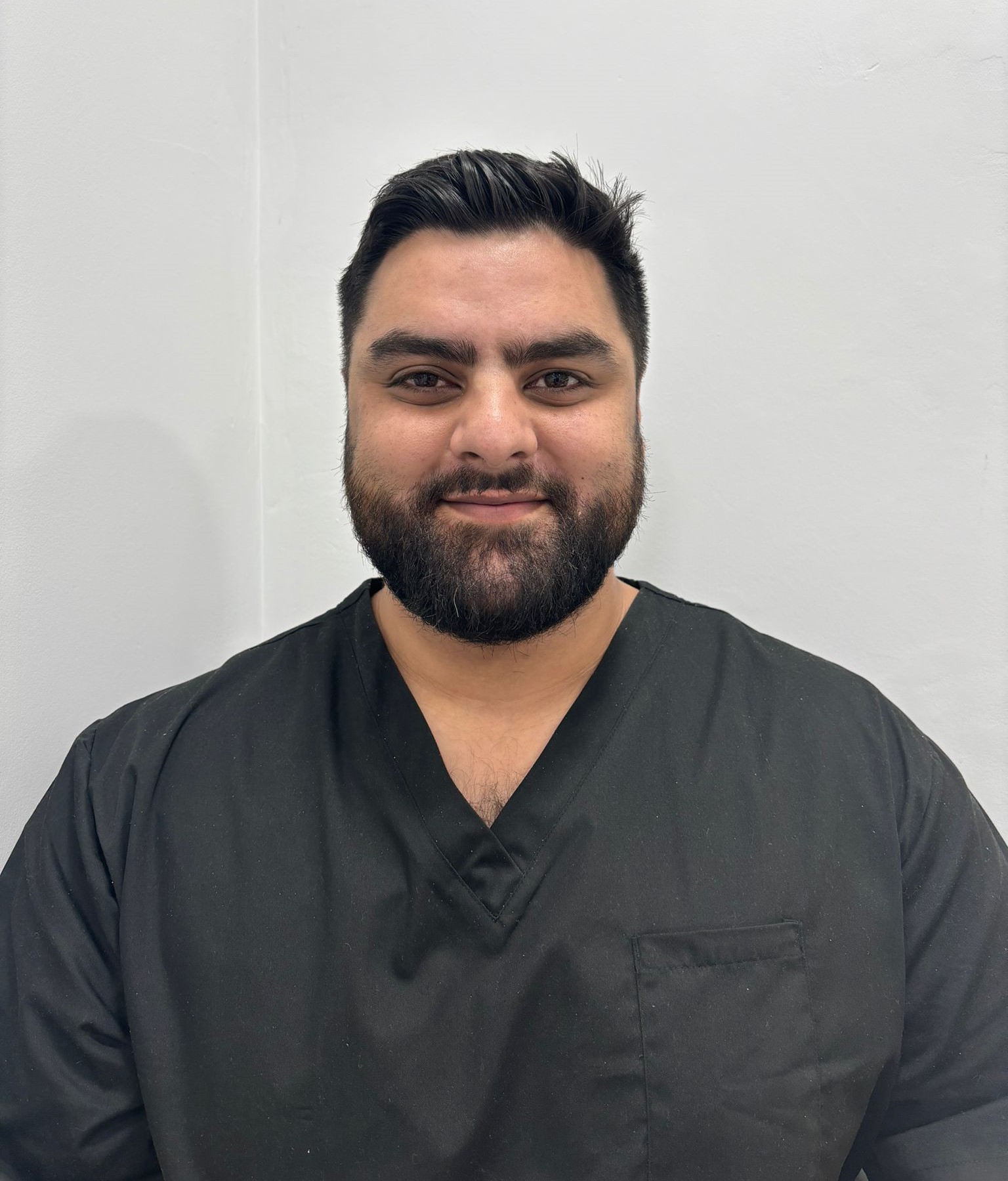
Dr Ibrahim Mutlib

Dr. Ibrahim Mutlib (BMBS, BMedSci) is an experienced GP with specialist interests in mental health, gastrointestinal health, and respiratory medicine. A clinical leader and published author, he is passionate about innovative, patient-centred care that supports both physical and emotional wellbeing.

Ready to take the next step?

Whether you're seeking advice or ready to book a consultation, we’re here to help. Explore our services or connect with a care professional today.

Latest blog posts

Ibuprofen tablets
News

NHS Warning Issued to Anyone Taking Naproxen and Aspirin Alongside Ibuprofen

The NHS has issued an important warning for people who use common painkillers, advising the public not to mix ibuprofen with other nonsteroidal anti-inflammatory drugs (NSAIDs) such as naproxen or aspirin.
School closures as NHS pressures grow
News

FLU-NAMI: Mutated ‘Superflu’ Strain Forces School Closures as NHS Pressures Grow

A newly emerging strain of influenza, widely referred to as the “superflu”, is rapidly spreading across the UK and causing significant disruption to schools, families, communities, and healthcare services.
Doctor talking to senior patient at home
Private GP

Your Guide to GP Home Visits in Sutton Coldfield

If you're feeling unwell but the thought of getting to a clinic fills you with dread, you're not alone.
Small red itchy bumps on the skin caused by scabies
Health

Scabies: Causes, Symptoms, Treatment & How to Prevent the Spread

Scabies is a highly contagious skin condition caused by the microscopic Sarcoptes scabiei mite. These mites burrow into the skin, leading to intense itching, irritation, and a distinctive rash.
Elderly couple shopping
News

Christmas Shopping May Expose These Two Hidden Dementia Signs, Doctors Caution

Families are being urged to stay alert during festive shopping trips this year, as specialists highlight two early dementia warning signs that often become more noticeable in crowded, fast-paced environments.
Vitamin D rich foods
Nutrition

The Health Benefits of Vitamin D Injections – A Complete Guide

Vitamin D is a crucial nutrient that plays a pivotal role in maintaining long-term health and overall wellbeing. From supporting a strong immune system to strengthening bones and improving mood.