Think You Know Diabetes? Discover the 5 Types, Signs to Watch For, and How to Get Tested!

Side view diabetic woman checking her glucose level

Diabetes is one of those conditions we've all heard of – but few of us truly understand how many types there are, what the warning signs look like, or how to get tested properly. In this guide, I'll walk you through the 5 main types of diabetes, what symptoms to watch for, and how and where to get tested.

Let's clear up the confusion and help you take action, whether for yourself or a loved one.

What Is Diabetes?

In simple terms, diabetes is a condition where your blood sugar (glucose) gets too high. This happens either because your body doesn't make insulin (a hormone that helps use sugar for energy) or it doesn't use insulin properly.

If untreated, high blood sugar can damage your eyes, heart, nerves, and kidneys – but with the right diagnosis and care, it's manageable and even preventable in some cases.

How Many Types of Diabetes Are There?

You've probably heard of Type 1 and Type 2 diabetes, and maybe gestational diabetes, but there are at least five main types, plus a few rarer ones that are just as important.

Let's break them down.

The 5 Main Types of Diabetes

1. Type 1 Diabetes

  • What is it? An autoimmune condition where the body destroys insulin-producing cells. Usually diagnosed in children or young adults, but it can develop at any age.
  • Symptoms: Thirst, tiredness, frequent urination, sudden weight loss.
  • Treatment: Lifelong insulin therapy.
  • Fun fact: The life expectancy of a type 1 diabetes patient has improved dramatically with better treatments.

2. Type 2 Diabetes

  • What is it? The most common type, when the body doesn't use insulin properly or doesn't make enough.
  • Linked to: Genetics, inactivity, and being overweight.
  • Symptoms: Feeling sleepy after eating (yes, is feeling sleepy after eating a sign of diabetes? – it can be), thirst, tiredness, frequent urination.
  • Can you get rid of type 2 diabetes? You might be able to manage or even reverse it with healthy eating, weight loss and exercise.

Explore medically supervised weight loss treatments that may support blood sugar control.

3. Gestational Diabetes

  • What is it? A form of diabetes that develops during pregnancy.
  • When do you get tested for gestational diabetes? Between 24 and 28 weeks of pregnancy.
  • Risk factors: Being overweight, family history, and previous large babies.
  • Treatment: Diet changes, monitoring, sometimes medication. Usually goes away after birth, but increases the risk of Type 2 later on.

4. LADA (Latent Autoimmune Diabetes in Adults)

  • Also known as: Type 1.5 diabetes.
  • What is it? A slow-onset version of Type 1 that appears in adulthood.
  • Often misdiagnosed as Type 2, but it eventually requires insulin.

5. Type 3c Diabetes

  • What is it? Caused by damage to the pancreas from illness (like cancer or pancreatitis) or surgery.
  • Different because: It also affects digestion, as the pancreas can't make enzymes properly.

Other Types of Diabetes

Less common types include:

  • MODY (Maturity Onset Diabetes of the Young): Genetic and usually diagnosed before age 25.
  • Neonatal Diabetes: A rare type found in babies under 6 months.
  • Steroid-induced Diabetes: Triggered by certain medications like steroids.
  • Cystic Fibrosis-related Diabetes: A unique form affecting people with cystic fibrosis.
  • Wolfram and Alström Syndromes: Very rare genetic conditions that include diabetes as one of their symptoms.

Want a comprehensive test? Explore our full range of blood tests, including diabetes markers.

What Are the Common Symptoms of Diabetes?

Here are the signs that might mean you need a test:

  • Frequent urination
  • Increased thirst
  • Feeling very tired (especially after meals)
  • Blurred vision
  • Slow healing of cuts or wounds
  • Tingling or numbness in hands/feet
  • Unexplained weight loss

If you're asking, "Is feeling sleepy after eating a sign of diabetes?" – yes, it can be, especially with Type 2.

How to Get Tested for Diabetes

So, how can I get tested for diabetes?

1. Visit Your GP or a Private Clinic

If you have symptoms or risk factors, your GP can arrange a blood test. At Private Medical Clinic, we offer fast and confidential diabetes testing.

2. Types of Tests You Might Have

  • HbA1c blood test: Shows your average blood sugar over 2–3 months.
  • Fasting blood glucose test: Checks your blood sugar after not eating for 8 hours.
  • Oral glucose tolerance test: Often used for gestational diabetes.

3. Where Can I Go to Get Tested for Diabetes?

You can:

4. When Should You Get Tested?

  • If you have symptoms
  • If diabetes runs in your family
  • If you're pregnant (between 24–28 weeks)
  • If you're over 40 or overweight

If you're thinking, “Where do I get tested for diabetes?” – now you know!

FAQs About Diabetes

How many types of diabetes are there?

There are 5 main types (Type 1, Type 2, Gestational, LADA, and Type 3c), but other types of diabetes, like MODY, neonatal, and cystic fibrosis-related diabetes also exist.

Can you get rid of Type 2 diabetes?

Yes, in some cases, through weight loss, regular exercise and healthy eating, you can put Type 2 diabetes into remission.

Is feeling sleepy after eating a sign of diabetes?

Yes, especially with Type 2 diabetes, feeling drowsy after meals can signal that your body is struggling to manage blood sugar levels.

How to get tested for diabetes?

You can book a blood test through your GP or a private clinic. Tests include Hba1c, fasting glucose, and glucose tolerance tests.

Where can I go to get tested for diabetes?

You can get tested through your NHS GP, at a walk-in clinic, or here at Private Medical Clinic. We offer comprehensive health checks that include diabetes screening.

Final Thoughts

Whether you're worried about your symptoms, have a family history of diabetes, or just want a routine check, getting tested is the first step.

At Private Medical Clinic, we offer discreet, same-day diabetes testing and private GP services across the UK.

Book your appointment today and take control of your health – because when it comes to diabetes, knowledge really is power.
Same Day Online Booking

Book your consultation online with our easy online booking form.

No Time Limits Appointments

Confidential same-day GP consultations with no time limits. Discuss your health concerns with an experienced doctor in a private and relaxing space.

Online Consultations Available

Same-day GP telephone or video consultations provide instant access to doctors. Prescriptions, medical certificates, referral letters & sick notes are available.

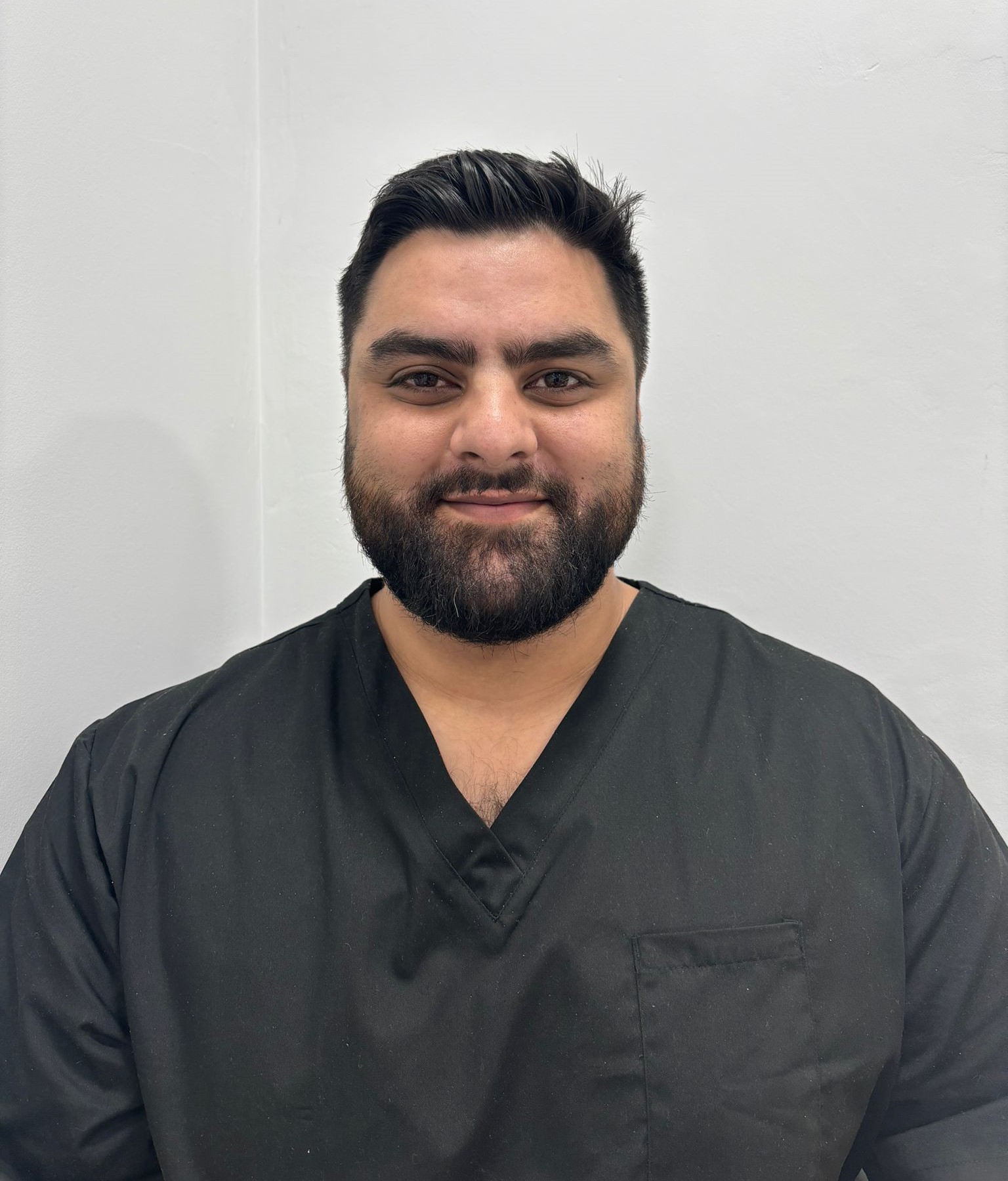
Dr Ibrahim Mutlib

Dr. Ibrahim Mutlib (BMBS, BMedSci) is an experienced GP with specialist interests in mental health, gastrointestinal health, and respiratory medicine. A clinical leader and published author, he is passionate about innovative, patient-centred care that supports both physical and emotional wellbeing.


Ready to take the next step?

Whether you're seeking advice or ready to book a consultation, we’re here to help. Explore our services or connect with a care professional today.

Latest blog posts

Ibuprofen tablets
News

NHS Warning Issued to Anyone Taking Naproxen and Aspirin Alongside Ibuprofen

The NHS has issued an important warning for people who use common painkillers, advising the public not to mix ibuprofen with other nonsteroidal anti-inflammatory drugs (NSAIDs) such as naproxen or aspirin.
School closures as NHS pressures grow
News

FLU-NAMI: Mutated ‘Superflu’ Strain Forces School Closures as NHS Pressures Grow

A newly emerging strain of influenza, widely referred to as the “superflu”, is rapidly spreading across the UK and causing significant disruption to schools, families, communities, and healthcare services.
Doctor talking to senior patient at home
Private GP

Your Guide to GP Home Visits in Sutton Coldfield

If you're feeling unwell but the thought of getting to a clinic fills you with dread, you're not alone.
Small red itchy bumps on the skin caused by scabies
Health

Scabies: Causes, Symptoms, Treatment & How to Prevent the Spread

Scabies is a highly contagious skin condition caused by the microscopic Sarcoptes scabiei mite. These mites burrow into the skin, leading to intense itching, irritation, and a distinctive rash.
Elderly couple shopping
News

Christmas Shopping May Expose These Two Hidden Dementia Signs, Doctors Caution

Families are being urged to stay alert during festive shopping trips this year, as specialists highlight two early dementia warning signs that often become more noticeable in crowded, fast-paced environments.
Vitamin D rich foods
Nutrition

The Health Benefits of Vitamin D Injections – A Complete Guide

Vitamin D is a crucial nutrient that plays a pivotal role in maintaining long-term health and overall wellbeing. From supporting a strong immune system to strengthening bones and improving mood.