Vegan Diet: Understanding The Benefits

Vegan Diet

Adopting a vegan diet has become increasingly popular in recent years, with more people recognizing its potential health, environmental, and ethical benefits. A vegan diet excludes all animal products, including meat, dairy, eggs, and often honey, focusing instead on plant-based foods like fruits, vegetables, grains, nuts, and legumes. Here's a look at some of the key benefits of following a vegan diet:

1. Improved Heart Health

  • Lower Cholesterol Levels: A vegan diet tends to be lower in saturated fats and cholesterol, which are found in animal products. This can lead to lower blood cholesterol levels, reducing the risk of heart disease.
  • Reduced Blood Pressure: Plant-based diets are high in potassium-rich foods like fruits and vegetables, which can help lower blood pressure, reducing the risk of hypertension and heart-related issues.
  • Increased Fibre Intake: Vegans typically consume more fibre from whole grains, fruits, and vegetables, which helps lower cholesterol and improve overall heart health.

2. Weight Management

  • Lower Calorie Density: Plant-based foods are often less calorie-dense than animal products, meaning you can eat larger portions while consuming fewer calories. This can help with weight loss or maintaining a healthy weight.
  • Better Satiety: High-fibre foods common in a vegan diet can help you feel fuller for longer, reducing the likelihood of overeating and aiding in weight management.

3. Reduced Risk of Chronic Diseases

  • Lower Risk of Type 2 Diabetes: A vegan diet rich in whole grains, legumes, fruits, and vegetables can help regulate blood sugar levels and improve insulin sensitivity, reducing the risk of developing type 2 diabetes.
  • Cancer Prevention: Some studies suggest that a vegan diet may reduce the risk of certain types of cancer, particularly colon, breast, and prostate cancers, due to the high intake of fruits and vegetables, which are rich in antioxidants and phytochemicals.
  • Lower Inflammation: Plant-based diets are often rich in anti-inflammatory foods like fruits, vegetables, nuts, and seeds, which can help reduce chronic inflammation associated with various diseases.

4. Better Digestive Health

  • Increased Fibre Intake: A vegan diet is typically high in dietary fibre, which promotes healthy digestion, regular bowel movements, and a lower risk of digestive disorders like constipation and diverticulitis.
  • Healthy Gut Microbiome: The variety of plant-based foods in a vegan diet supports a diverse and healthy gut microbiome, which plays a crucial role in digestion, immunity, and overall health.

5. Enhanced Nutrient Intake

  • Rich in Vitamins and Minerals: A well-planned vegan diet can be rich in essential vitamins and minerals, such as vitamin C, vitamin E, folate, magnesium, and potassium, all of which contribute to overall health and well-being.
  • Increased Antioxidants: Fruits and vegetables are loaded with antioxidants, which help protect the body from oxidative stress and reduce the risk of chronic diseases.

6. Environmental Sustainability

  • Lower Carbon Footprint: Plant-based diets typically have a much lower carbon footprint than diets that include animal products, as livestock farming is a major contributor to greenhouse gas emissions.
  • Reduced Water Usage: Producing plant-based foods generally requires less water than raising animals for meat and dairy, making a vegan diet more sustainable in terms of water resources.
  • Conservation of Land and Resources: A vegan diet supports more efficient use of land, as growing plants for direct human consumption requires less land and resources compared to animal agriculture.

7. Ethical and Animal Welfare Considerations

  • Reduction in Animal Suffering: By eliminating animal products from their diet, vegans reduce the demand for meat, dairy, and eggs, which in turn helps to decrease the exploitation and suffering of animals in factory farming.
  • Support for Compassionate Living: Many people choose a vegan diet for ethical reasons, aligning their eating habits with their values of compassion and respect for all living beings.

8. Potential Longevity

  • Healthier Ageing: Due to the overall health benefits of a vegan diet, such as reduced risk of chronic diseases, better heart health, and improved weight management, some studies suggest that vegans may experience healthier ageing and potentially longer life expectancy.

A vegan diet offers a wide range of benefits, from improved heart health and better weight management to environmental sustainability and ethical considerations. While transitioning to a vegan diet can seem challenging at first, the long-term health benefits and positive impact on the planet make it a worthwhile choice for many people. As with any diet, it's important to plan your meals carefully to ensure you're getting all the necessary nutrients. Consulting with a healthcare provider or a nutritionist can help you make a smooth transition and maintain a balanced, nutritious vegan diet.

Click here to book an appointment with one of our nutrition specialists.

Same Day Online Booking

Book your consultation online with our easy online booking form.

No Time Limits Appointments

Confidential same-day GP consultations with no time limits. Discuss your health concerns with an experienced doctor in a private and relaxing space.

Online Consultations Available

Same-day GP telephone or video consultations provide instant access to doctors. Prescriptions, medical certificates, referral letters & sick notes are available.

Dr Ibrahim Mutlib

Dr. Ibrahim Mutlib (BMBS, BMedSci) is an experienced GP with specialist interests in mental health, gastrointestinal health, and respiratory medicine. A clinical leader and published author, he is passionate about innovative, patient-centred care that supports both physical and emotional wellbeing.

Ready to take the next step?

Whether you're seeking advice or ready to book a consultation, we’re here to help. Explore our services or connect with a care professional today.

Latest blog posts

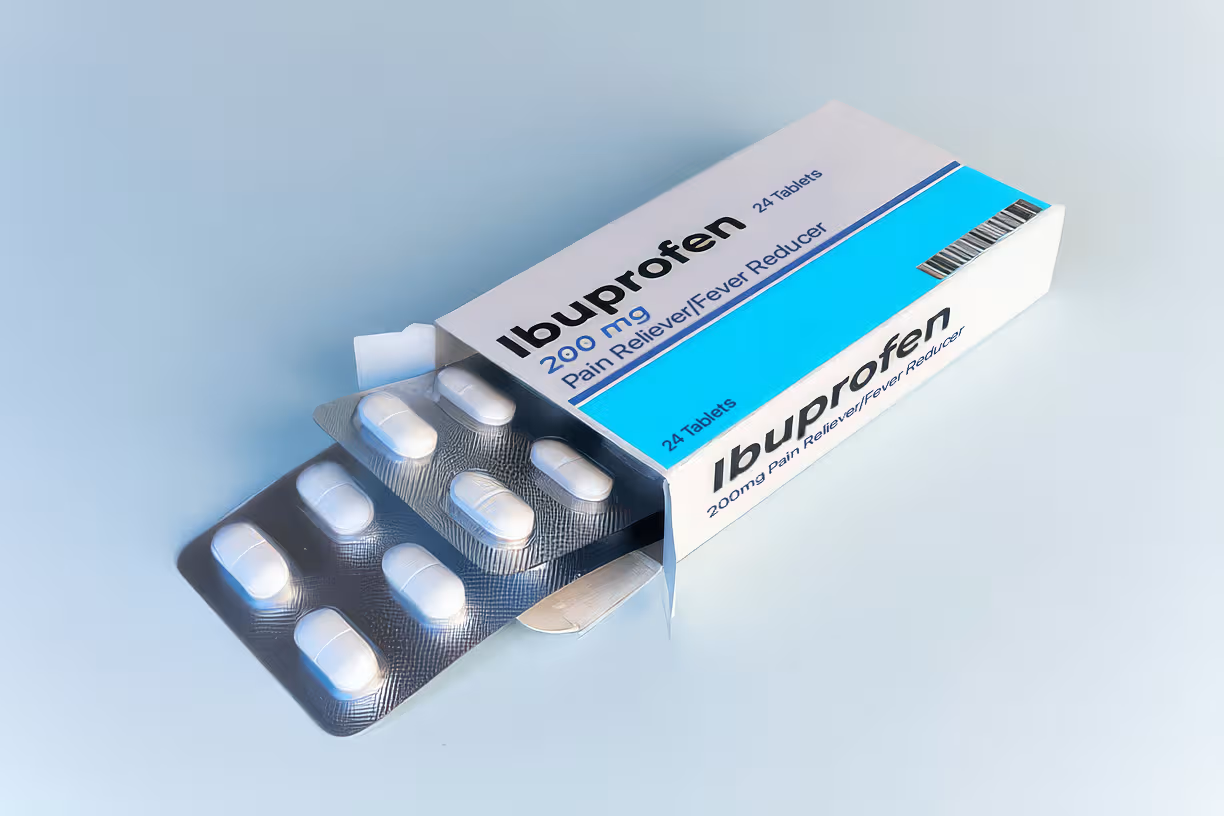
Ibuprofen tablets
News

NHS Warning Issued to Anyone Taking Naproxen and Aspirin Alongside Ibuprofen

The NHS has issued an important warning for people who use common painkillers, advising the public not to mix ibuprofen with other nonsteroidal anti-inflammatory drugs (NSAIDs) such as naproxen or aspirin.
School closures as NHS pressures grow
News

FLU-NAMI: Mutated ‘Superflu’ Strain Forces School Closures as NHS Pressures Grow

A newly emerging strain of influenza, widely referred to as the “superflu”, is rapidly spreading across the UK and causing significant disruption to schools, families, communities, and healthcare services.
Doctor talking to senior patient at home
Private GP

Your Guide to GP Home Visits in Sutton Coldfield

If you're feeling unwell but the thought of getting to a clinic fills you with dread, you're not alone.
Small red itchy bumps on the skin caused by scabies
Health

Scabies: Causes, Symptoms, Treatment & How to Prevent the Spread

Scabies is a highly contagious skin condition caused by the microscopic Sarcoptes scabiei mite. These mites burrow into the skin, leading to intense itching, irritation, and a distinctive rash.
Elderly couple shopping
News

Christmas Shopping May Expose These Two Hidden Dementia Signs, Doctors Caution

Families are being urged to stay alert during festive shopping trips this year, as specialists highlight two early dementia warning signs that often become more noticeable in crowded, fast-paced environments.
Vitamin D rich foods
Nutrition

The Health Benefits of Vitamin D Injections – A Complete Guide

Vitamin D is a crucial nutrient that plays a pivotal role in maintaining long-term health and overall wellbeing. From supporting a strong immune system to strengthening bones and improving mood.