
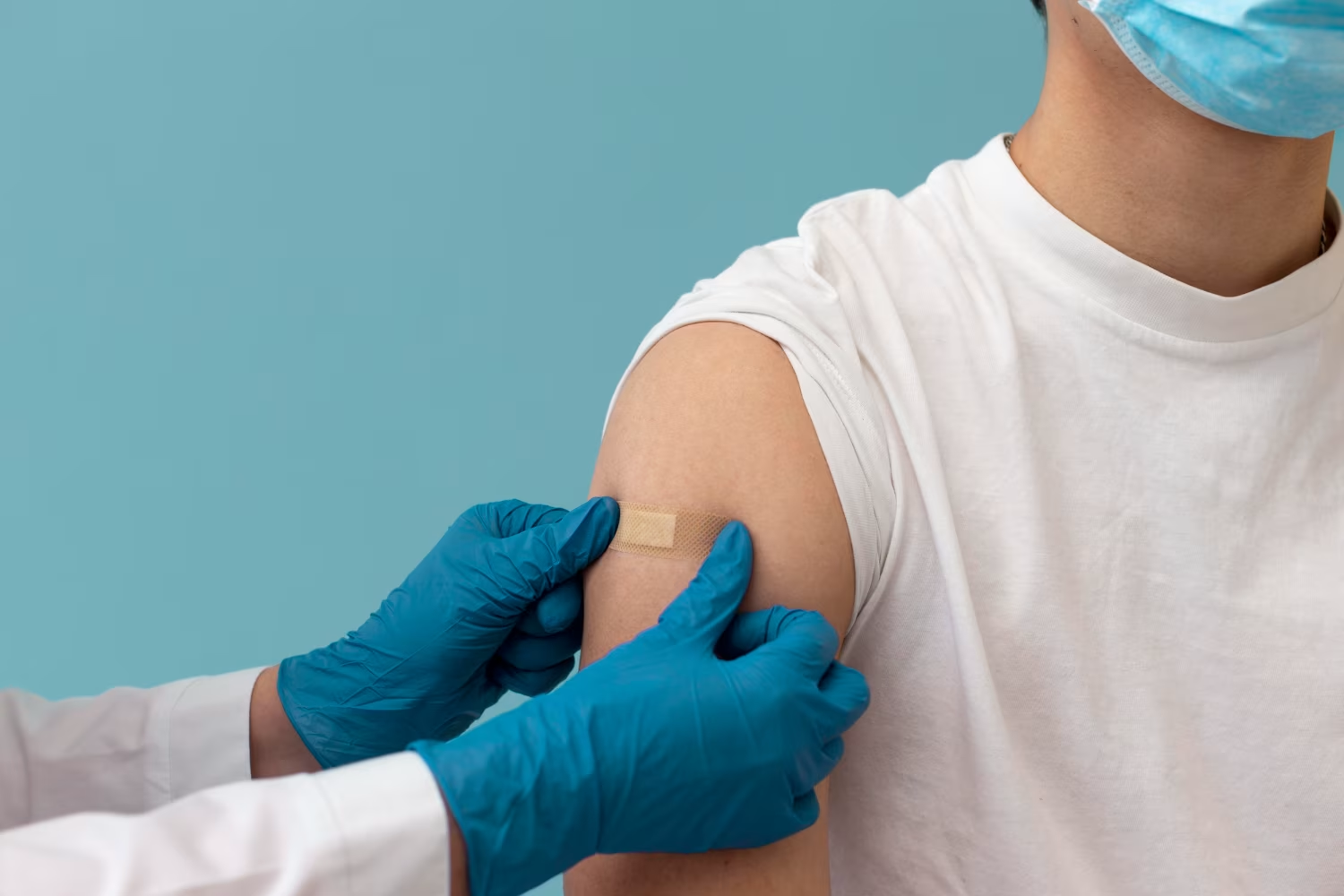
As the colder months approach, flu season is around the corner. The autumn 2026 flu vaccination programme is now underway, offering vital protection for millions of people across the UK.
At Private Medical Clinic, we believe prevention is always better than cure. In this guide, we explain who is eligible for the 2026 flu vaccine, when you can get it, how it’s given, and why it’s important to act early.
Flu is more than just a seasonal nuisance. For many, it can trigger severe complications such as pneumonia, bronchitis, or exacerbate chronic illnesses like asthma, diabetes, or heart disease.
Each year the influenza virus changes, meaning last year’s jab won’t protect you this year. Getting vaccinated annually is the most effective way to reduce your risk.
The NHS provides the flu vaccine free to certain groups at highest risk. Others can arrange a private flu jab through clinics like ours for added convenience and flexibility.
Not sure if you qualify? Book a consultation with our team — we’ll advise whether you’re eligible for a free NHS flu jab or whether a private flu vaccination is the right option for you.
The vaccine is updated every year to cover the strains most likely to circulate. Even if you had the jab last season, you’ll need a new dose for 2026.
Flu vaccines have an excellent safety record. Most side effects are mild and short-lived, such as:
These are far less serious than catching the flu itself.
Call us today or book online to arrange your 2026 flu vaccination.
The autumn 2026 flu vaccine programme is a crucial step in keeping communities safe this winter. Whether you’re eligible for a free NHS jab or prefer the flexibility of a private clinic, booking your vaccination early ensures you’re protected when flu season peaks.
Book your flu jab today at Private Medical Clinic and protect yourself, your family, and your colleagues this winter.
Yes. The flu vaccine is recommended for all pregnant women, regardless of the stage of pregnancy. It helps protect both mother and baby. Pregnant women are at greater risk of flu-related complications such as pneumonia, and vaccination reduces the chances of premature birth or low birth weight. Antibodies also pass to your baby, giving them some protection in the first few months of life.
Yes. Having flu once does not guarantee immunity against other strains that circulate later in the season. The vaccine is designed to protect against multiple influenza strains, so you may still benefit. Even if you’ve had a bout of flu-like illness, it’s advisable to be vaccinated.
Yes, in most cases the flu jab can be given at the same appointment as a COVID-19 booster. Studies show that receiving both vaccines together is safe and does not affect how well either works. Some people may experience side effects such as tiredness, headache, or soreness at both injection sites, but these are generally mild and short-lived.
Not at all. Flu typically peaks in December and January, but cases can continue well into the spring. Even if you miss the September or October window, you can still get vaccinated later and benefit from protection during the peak of flu season. The key is to get your jab before flu is circulating widely in your community.
Most people can safely receive the flu vaccine, but there are a few exceptions. If you have a severe allergy to any component of the vaccine (such as anaphylaxis to egg protein in some formulations), you should discuss alternatives with your doctor. Those with a fever or acute illness should wait until they feel better. Children with certain conditions (like severe asthma requiring hospital admission) may be advised to have the injection instead of the nasal spray.
Same Day Online Booking
No Time Limits Appointments
Online Consultations Available
Latest Blog Posts
.avif)
What is HIV and its symptoms?
.avif)
High Cholesterol Warning Signs: What to Look for on Your Face & Body
What Is Bacterial Vaginosis (BV)? Signs, Causes and Treatment That Actually Works

The 14 Regulated Food Allergens Explained | UK Food Law Guide
When Is Hayfever Season in the UK? Month-by-Month Pollen Calendar
Ready to take the next step?


