Thrush: Causes, Symptoms, Prevention, and Treatment

Thrush is a common and often uncomfortable condition that many people experience at some point in their lives. While it's usually not serious, it can be persistent and requires proper treatment to prevent recurring infections. 

Thrush, also known as candidiasis, is a fungal infection caused by an overgrowth of Candida, a type of yeast that naturally lives on the skin and in various parts of the body such as the mouth, throat, and genitals. While Candida is usually harmless, certain conditions can cause it to multiply and lead to an infection.

There are different types of thrush, depending on where it occurs in the body:

  • Oral: Affects the mouth and throat.
  • Vaginal: Affects the genital area in women.
  • Penile: Affects the genital area in men.
  • Skin: Affects moist areas of the skin, such as under the breasts or in the groyne area.

Causes of Thrush

Thrush occurs when the balance of microorganisms in the body is disrupted, allowing Candida to grow uncontrollably. Common factors that can lead to thrush include:

  • Antibiotic Use: Antibiotics can kill off beneficial bacteria that keep Candida in check, leading to an overgrowth.
  • Weakened Immune System: Conditions that weaken the immune system, such as HIV/AIDS, cancer treatments, or diabetes, can increase the risk of thrush.
  • Hormonal Changes: Pregnancy, menstrual cycles, or the use of hormonal contraceptives can alter the balance of microorganisms and contribute to thrush.
  • Poor Oral Hygiene: Not keeping the mouth clean can lead to oral thrush.
  • Uncontrolled Diabetes: High blood sugar levels can encourage the growth of Candida.
  • Wearing Tight or Non-Breathable Clothing: Tight clothing or synthetic fabrics can create a warm, moist environment where Candida thrives.

Symptoms of Thrush

The symptoms of thrush vary depending on the area affected:

  • Oral:
    • White patches on the tongue, inner cheeks, gums, or tonsils
    • Redness or soreness in the mouth
    • Difficulty swallowing or a feeling of something stuck in the throat
    • Cracking at the corners of the mouth
  • Vaginal:
    • Itching, burning, or soreness in the vaginal area
    • Thick, white discharge that resembles cottage cheese
    • Pain during intercourse or urination
    • Redness and swelling of the vulva
  • Penile:
    • Redness and swelling on the head of the penis
    • Itching or irritation
    • A white discharge under the foreskin
    • Discomfort during sex or urination
  • Skin:
    • Red, itchy rashes in skin folds
    • Soreness or cracking of the skin
    • White patches or scaling on the skin

Prevention

Preventing thrush involves taking steps to maintain the balance of microorganisms in the body and avoiding factors that can promote the overgrowth of Candida. Here are some tips to help prevent thrush:

  • Maintain Good Hygiene: Keep the affected areas clean and dry. For oral hygiene, brush your teeth at least twice a day, floss regularly, and consider using an antiseptic mouthwash.
  • Wear Breathable Clothing: Opt for loose-fitting clothes made from natural fabrics like cotton to reduce moisture buildup.
  • Limit Sugar Intake: High sugar levels can encourage Candida growth, so try to reduce your consumption of sugary foods and drinks.
  • Use Antibiotics Wisely: Only take antibiotics when necessary, and follow your healthcare provider's instructions to avoid disrupting your body's natural balance.
  • Manage Health Conditions: If you have diabetes, work with your doctor to keep your blood sugar levels under control.
  • Practise Safe Sex: Thrush can be transmitted during sexual contact, so practising safe sex and maintaining good genital hygiene can help reduce the risk.

Treatment

The treatment for thrush depends on the area affected and the severity of the infection. Common treatment options include:

  • Antifungal Medications: These can be prescribed in the form of creams, ointments, tablets, or lozenges. For vaginal or penile thrush, antifungal creams or suppositories are often recommended.
  • Oral Antifungal Drugs: For more severe cases or recurrent infections, oral antifungal medications may be necessary.
  • Home Remedies: Some people find relief with natural remedies such as probiotics, yoghurt with live cultures, or diluted tea tree oil. However, these should be used with caution and in consultation with a healthcare provider.

Thrush is a common and treatable condition, but it can be uncomfortable and persistent if not managed properly. By understanding the causes, recognizing the symptoms, and taking steps to prevent and treat it, you can reduce your risk of infection and maintain your overall health.

If you suspect you have Thrush or are experiencing recurrent infections, it's important to consult with a healthcare provider for appropriate treatment and advice.

Click here to book an appointment with one of our doctors. 

FAQ's

1. Can Thrush Go Away on Its Own?

  • Mild cases may resolve without treatment, but it's often best to seek medical advice to prevent the infection from worsening or recurring.

2. Is Thrush Contagious?

  • It can be passed between individuals through direct contact, such as kissing or sexual contact. It's important to treat both partners if one is infected to avoid reinfection.

3. Can Men Get Thrush?

  • Yes, men can get thrush, particularly penile. While it's less common in men than in women, it can cause significant discomfort and should be treated promptly.

4. Can Thrush Affect Pregnancy?

  • It is common during pregnancy due to hormonal changes, but it doesn't typically harm the baby. However, it's important to treat the infection to avoid discomfort and reduce the risk of passing the infection to the baby during childbirth.

Same Day Online Booking

Book your consultation online with our easy online booking form.

No Time Limits Appointments

Confidential same-day consultations with no time limits. Discuss your health concerns with an experienced doctor in a private and relaxing space.

Online Consultations Available

Same-day telephone or video consultations provide instant access to doctors. Prescriptions, medical certificates, referral letters & sick notes are available.

Latest Blog Posts

Man Using Inhaler for Respiratory Health
Health

Adult Asthma Explained: Symptoms, Silent Attacks, Causes, Testing, and Late-Onset Diagnosis
Asthma isn't just a childhood condition. Adult asthma is more common than most people realise. It can develop out of the blue and, if not managed properly, can be life-threatening.
Endometriosis: Symptoms, Causes, Treatment

Health

Endometriosis: Symptoms, Causes, Treatment

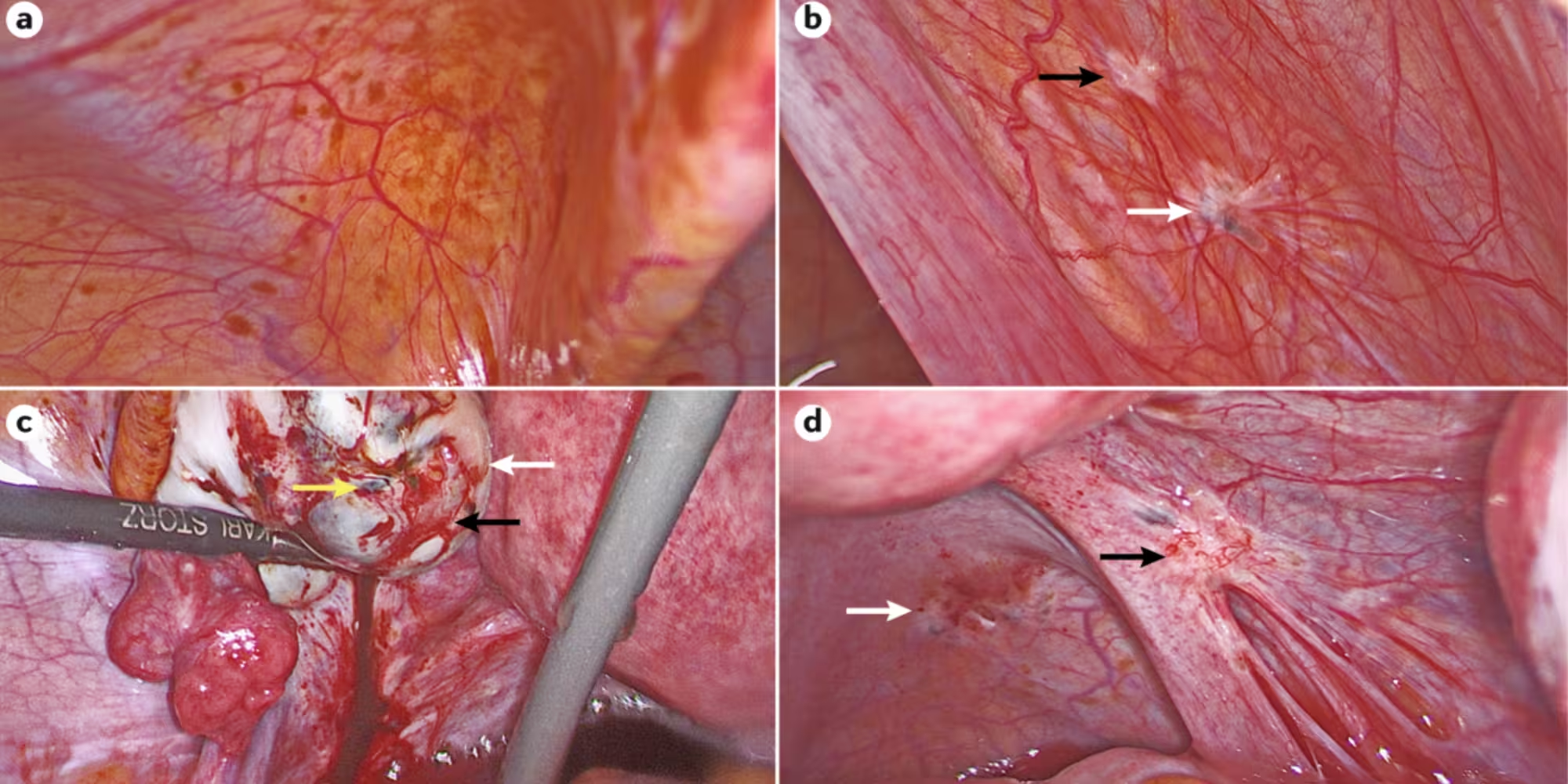
Endometriosis is a condition where tissue similar to the lining of the womb (the endometrium) grows outside the uterus, most commonly on the ovaries, fallopian tubes, and the lining of the pelvis
Rheumatoid Arthritis
Health

Rheumatoid Arthritis - Symptoms, Causes, Treatment
Joint pain is one of the most common reasons people book an appointment with me. Most of the time it's mechanical - overuse, an old injury, or the gradual wear of osteoarthritis.
Non-allergic rhinitis woman blowing running nose
Health

Non-Allergic Rhinitis: Symptoms, Triggers, and How It Differs From Hay Fever

A nose that is runny or blocked, sneezing, and postnasal drip are typically caused by hay fever; however, these symptoms aren't necessarily caused by an allergy.
Understanding ADHD
Mental Health

Understanding ADHD: Symptoms, Treatments, and the Value of Private GP Services

ADHD, or Attention Deficit Hyperactivity Disorder, is a neurodevelopmental condition that affects millions of individuals worldwide.
Hay Fever Symptoms
Health

Defeat Hay Fever: Understanding and Managing Symptoms in the UK

We offer a range of effective treatment options readily available at our clinic, helping you combat the Hay Fever season with ease.

Ready to take the next step?

Whether you're seeking advice or ready to book a consultation, we’re here to help. Explore our services or connect with a care professional today.