
Written by Dr Simon Khela MBChB MRCGP, GMC Registered Doctor
Medical Director, Private Medical Clinic
One of the questions I hear surprisingly often in clinic is, "Doctor, why do I seem to catch every cold that's going around?"
Most adults expect to pick up the occasional cold, particularly during autumn and winter. But if you're constantly reaching for tissues, recovering from one infection only to catch another a few weeks later, it's understandable to wonder whether something more is going on.
In many cases, frequent colds are simply the result of increased exposure to viruses or lifestyle factors such as poor sleep, stress or looking after young children. Occasionally, however, recurrent infections can be a sign that your immune system isn't functioning as well as it should or that an underlying medical condition needs investigating.
The reassuring news is that there are often simple explanations and practical steps you can take. In this guide, I'll explain why some people seem to catch every cold, when it's worth seeking medical advice, and what I look for when assessing patients with frequent infections.
The average adult catches between two and four colds each year, while children may have considerably more because their immune systems are still developing.
If you work in healthcare, education, childcare or regularly use public transport, you may naturally come into contact with more viruses than someone who works from home. Parents of young children often notice that the first few years of nursery or school seem to bring an endless cycle of coughs and colds into the household.
That doesn't necessarily mean there's a problem with your immune system.
What concerns me more as a doctor is when someone tells me they:
These situations deserve a closer look.
There's rarely a single explanation. More often, several factors combine to make someone more susceptible to infections.
Some occupations naturally involve frequent contact with people carrying respiratory viruses.
This includes:
The more viruses you're exposed to, the greater your chances of becoming infected.
Sleep is one of the body's most important recovery mechanisms.
During sleep, your immune system produces proteins called cytokines that help fight infection. Regularly getting fewer than seven hours of quality sleep may reduce your body's ability to respond effectively to viruses.
Patients often notice they become ill after periods of poor sleep caused by work pressures, caring responsibilities or prolonged stress.
Stress doesn't directly cause colds, but it can make you more vulnerable to them. Long-term stress increases cortisol levels. Persistently raised cortisol can interfere with normal immune function, making it harder for your body to fight infections efficiently.
Many patients tell me they develop a cold shortly after finishing a stressful project or during particularly demanding periods at work. If stress is a recurring pattern for you, it's worth reading about managing stress effectively, or speaking to one of our GPs about a referral for mental health support.
The lining of your nose, throat and airways contains tiny hair-like structures called cilia. These help trap and remove viruses, bacteria and other particles before they cause illness. Smoking damages these natural defences, increasing the likelihood of respiratory infections while also slowing recovery. If you're considering quitting smoking, your immune system is one of many parts of the body that will benefit.
No single food can prevent colds, but a balanced diet provides the vitamins, minerals and protein your immune system needs to function normally.
People with restrictive diets, significant weight loss, digestive disorders or poor appetite may be more likely to develop nutritional deficiencies that affect immune health. Common nutrients involved in immune function include Vitamin D, Vitamin B12, folate, iron, zinc and protein.
Rather than taking multiple supplements without guidance, it's often more useful to identify whether a genuine deficiency exists through a private blood test.
Most people who frequently catch colds do not have a serious illness. However, recurrent infections can occasionally be associated with an underlying medical condition.
Examples include:
Persistently raised blood sugar can affect the body's ability to fight infection and may slow recovery. Some people first discover they have diabetes after experiencing repeated infections. We offer diabetes testing if you'd like this checked.
Many patients assume they have "another cold" when they're actually experiencing allergic rhinitis. Unlike a viral cold, allergies often cause sneezing, itchy eyes, clear nasal discharge, symptoms that last for weeks, and symptoms triggered by pollen, pets or dust.
If symptoms keep returning at the same time each year, allergy testing may be worth considering take a look at the early signs of hay fever to see if they sound familiar.
Vitamin D plays an important role in normal immune function.
Although deficiency doesn't guarantee you'll catch more colds, correcting a genuine deficiency may improve overall health and wellbeing.
Similarly, low vitamin B12, folate or iron may contribute to tiredness and reduced resilience, particularly if dietary intake or absorption is poor.
Immune deficiencies are relatively uncommon, but they can present with frequent, severe or unusual infections.
Warning signs include:
Fortunately, these conditions are much less common than lifestyle-related causes.
As a GP, I don't become concerned simply because someone has had several colds over the winter.
What prompts further investigation is the overall pattern.
I usually recommend Medical assessment if someone experiences:
In these situations, blood tests and a more detailed medical assessment may help identify whether there's an underlying explanation.
If someone tells me they're constantly catching colds, one of the first questions I ask is whether there's anything else going on besides the infections themselves.
A simple blood test can't diagnose every cause of recurrent colds, but it can identify several common conditions that may be affecting your immune system or overall health.
Depending on your symptoms, I may recommend tests such as:
These tests don't replace a thorough medical assessment, but they can help identify conditions that are treatable and may be contributing to recurrent illness.
Not every blocked nose or sore throat is caused by a common cold. Several conditions can produce similar symptoms, which is why the pattern of your illness is often just as important as the symptoms themselves.
One clue that you're not dealing with repeated colds is if your symptoms keep returning in the same season each year or are triggered by pets, dust or pollen. In these situations, allergy testing may be more helpful than repeatedly treating presumed viral infections.
Patients often ask if there's a supplement or "immune booster" that will stop them catching colds.
The honest answer is that there isn't a single product that can prevent viral infections. Instead, supporting your immune system comes down to consistently looking after your overall health.
Aim for 7–9 hours of quality sleep each night. Your immune system repairs and regulates itself while you sleep, making this one of the most important lifestyle factors.
A varied diet rich in vegetables, fruit, whole grains, lean protein and healthy fats provides the nutrients your immune system needs — our 8 tips for healthy eating is a good place to start.
If you're concerned about deficiencies, it's better to confirm them with appropriate blood tests than to take multiple supplements without guidance.
Regular moderate exercise has been shown to support overall health and immune function. Even a brisk 30-minute walk most days of the week can make a difference.
No one can eliminate stress completely, but simple stress management strategies such as regular exercise, mindfulness, spending time outdoors or talking to someone you trust may help reduce its impact on your health.
Seasonal flu vaccination and other routine vaccinations can reduce your risk of certain infections, particularly if you're older or have long-term medical conditions.
Stopping smoking benefits almost every part of your body, including your lungs and immune system. Even reducing exposure to second-hand smoke can help.
Most colds settle on their own and don't require medical treatment.
However, you should arrange a medical assessment if you:
Seeking advice doesn't necessarily mean something serious is wrong. More often than not, it's about identifying whether there's a simple explanation and making sure nothing important is being missed. You can book a private GP appointment in person, or arrange an online GP consultation if that's more convenient.
The most common reasons include frequent exposure to viruses, poor sleep, stress, smoking or underlying health conditions such as diabetes or allergies.
Most healthy adults experience around two to four colds each year, although this varies depending on age, occupation and exposure to viruses.
Yes. Long-term stress may affect immune function, making you more susceptible to infections.
Vitamin deficiencies don't directly cause colds but may affect your overall health and immune function. Blood tests can identify genuine deficiencies.
If infections are frequent, severe or associated with other symptoms such as fatigue or weight loss, blood tests may help identify an underlying cause.
Yes. Hay fever and other allergies often cause sneezing, a runny nose and congestion that can easily be mistaken for recurrent viral infections.
You should seek medical advice if infections are unusually severe, last longer than expected, recur frequently or are associated with weight loss, swollen glands or repeated antibiotic use.
There is no proven supplement that prevents all colds. A healthy lifestyle, balanced diet, adequate sleep and appropriate vaccinations remain the most effective ways to support your immune system.
Same Day Online Booking
No Time Limits Appointments
Online Consultations Available
Latest Blog Posts
.avif)
What is HIV and its symptoms?
.avif)
High Cholesterol Warning Signs: What to Look for on Your Face & Body

What Is Bacterial Vaginosis (BV)? Signs, Causes and Treatment That Actually Works

The 14 Regulated Food Allergens Explained | UK Food Law Guide
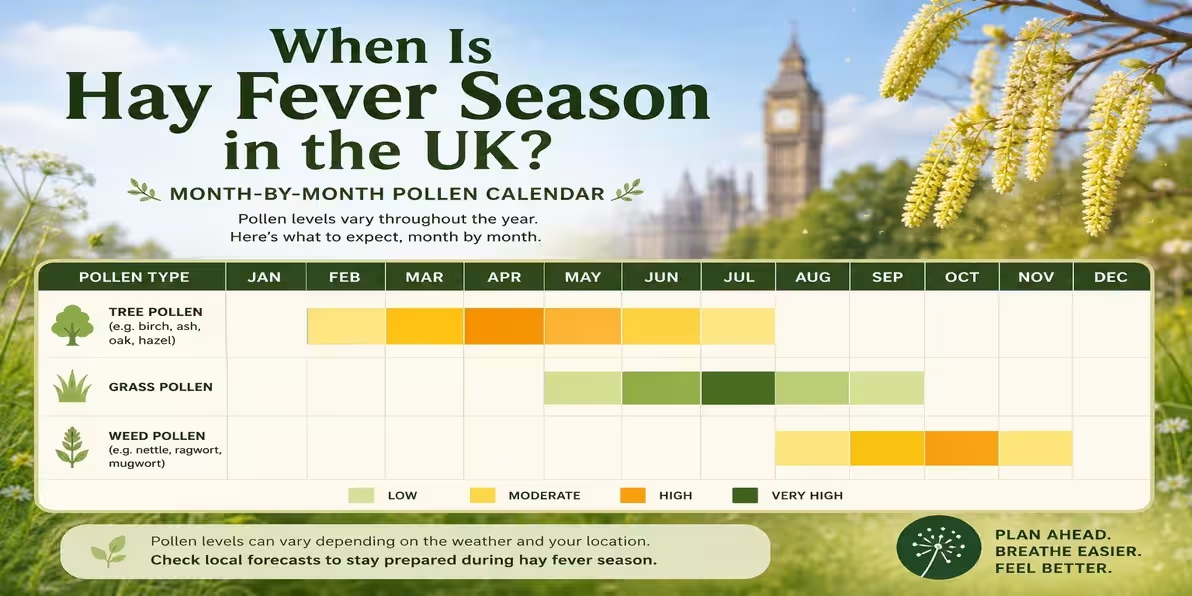
When Is Hayfever Season in the UK? Month-by-Month Pollen Calendar
Ready to take the next step?


