
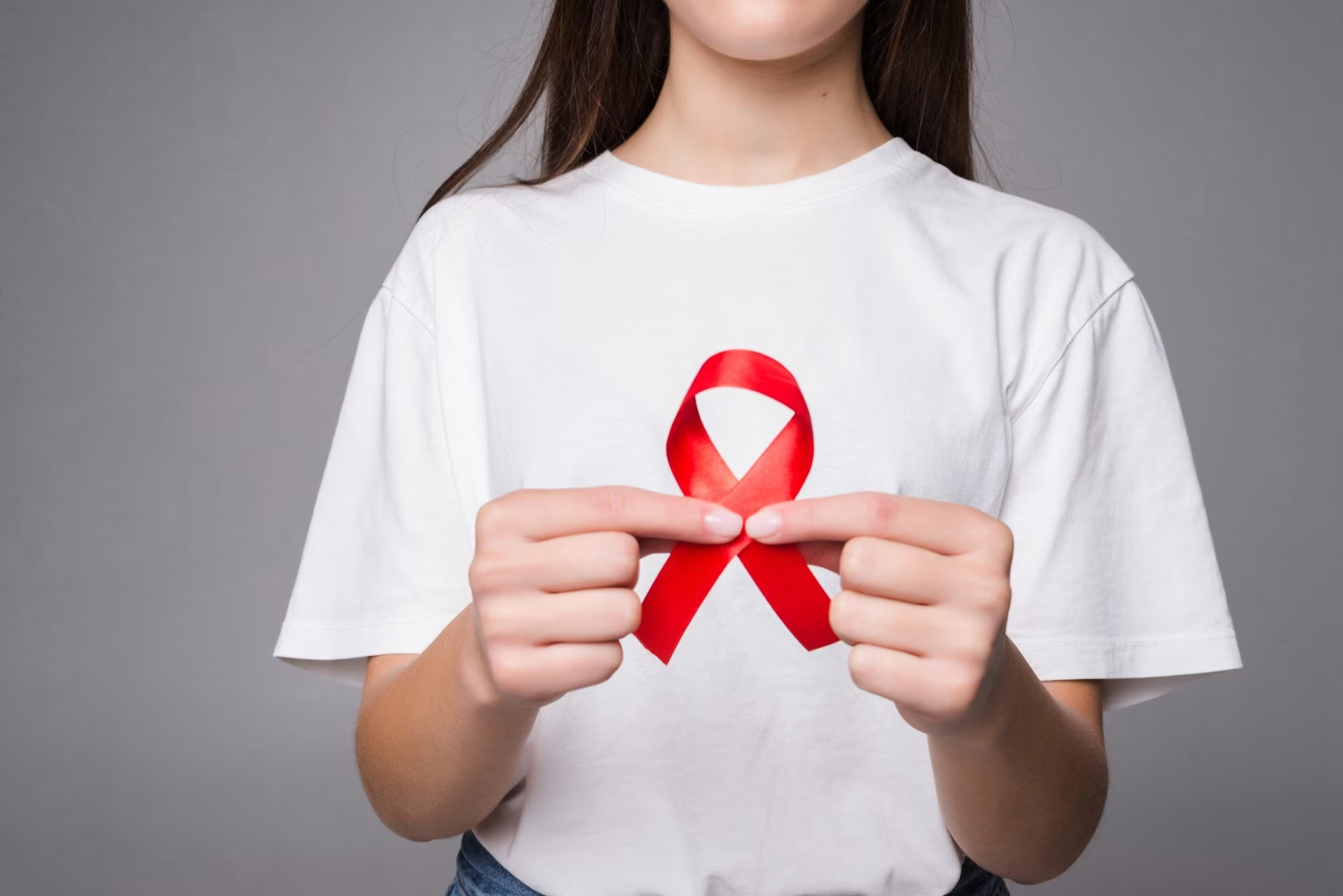
HIV (Human Immunodeficiency Virus) is a manageable long-term condition when diagnosed and treated early. Thanks to major advances in medicine, people living with HIV who receive effective treatment can enjoy a near-normal life expectancy. Modern treatment can also reduce the amount of virus in the blood to an undetectable level, meaning it cannot be passed on to sexual partners-a concept known as Undetectable = Untransmittable (U=U).
Despite these advances, many women do not recognise the early signs of HIV because symptoms are often mild, short-lived or easily mistaken for common viral illnesses such as flu, COVID-19 or glandular fever. Some women experience no symptoms at all during the early stages of infection, making testing essential if there has been a possible exposure.
This guide explains the early symptoms of HIV in women, how HIV is transmitted, when symptoms usually appear, when to get tested and how effective treatment can help people live long and healthy lives.
Important: If you think you have been exposed to HIV within the last 72 hours, seek urgent medical advice immediately. You may be eligible for post-exposure prophylaxis (PEP), a medication that can help prevent HIV infection if started promptly.
Human Immunodeficiency Virus (HIV) is a virus that attacks the body's immune system, specifically CD4 (T-helper) cells, which play an important role in fighting infections.
Without treatment, HIV gradually weakens the immune system, increasing the risk of infections and certain cancers.
If HIV remains untreated for many years, it can progress to Acquired Immunodeficiency Syndrome (AIDS), the most advanced stage of HIV infection. However, with modern antiretroviral therapy (ART), most people diagnosed with HIV never develop AIDS.
Scientists believe HIV originated from simian immunodeficiency virus (SIV), a virus found in certain primates in Central Africa. Research suggests the virus crossed into humans many decades ago before spreading internationally.
Today, HIV is one of the world's most researched infectious diseases, and advances in treatment have transformed it into a manageable long-term condition for most people.
Although the terms are often used interchangeably, HIV and AIDS are not the same.
HIV is the virus itself.
AIDS is the most advanced stage of untreated HIV infection, where the immune system becomes severely weakened.
Thanks to effective treatment, the vast majority of people diagnosed early with HIV never develop AIDS.
HIV is transmitted when certain body fluids from a person living with HIV enter another person's bloodstream.
These body fluids include:
• Blood
• Semen
• Vaginal fluids
• Rectal fluids
• Breast milk
The most common ways HIV is transmitted include:
• Vaginal sex without effective HIV prevention
• Anal sex without effective HIV prevention
• Sharing needles or injecting equipment
• Transmission from mother to baby during pregnancy, childbirth or breastfeeding
• Blood transfusions in countries without routine blood screening (now extremely rare in the UK)
Many people worry about everyday contact, but HIV cannot be spread through:
• Kissing
• Hugging
• Shaking hands
• Sharing toilets
• Sharing towels
• Sharing food or drinks
• Saliva
• Sweat
• Tears
• Coughing or sneezing
• Mosquitoes or insect bites
Understanding how HIV is-and is not-transmitted helps reduce unnecessary fear and stigma.
Some women develop symptoms 2 to 4 weeks after becoming infected, during a stage known as acute HIV infection or primary HIV infection.
These symptoms occur because the body's immune system is responding to the virus. However, they are often mild and can easily be mistaken for another viral illness. Some women experience no symptoms at all.
Common early symptoms include:
• Fever
• Night sweats
• Fatigue
• Sore throat
• Swollen lymph nodes
• Skin rash
• Mouth ulcers
• Muscle aches
• Joint pain
• Headache
• Diarrhoea
These symptoms usually improve within a few weeks, but the virus remains in the body unless treated.
If you think you have been exposed to HIV, arrange an HIV test rather than relying on symptoms alone.
The first stage of HIV infection can feel similar to a bad bout of flu.
Many people report:
• Feeling extremely tired
• A high temperature
• Swollen glands
• A sore throat
• Body aches
• Headaches
• A widespread rash
Because these symptoms are non-specific, HIV often goes unrecognised during this stage.
If you develop flu-like symptoms within a few weeks of possible HIV exposure, it is important to arrange testing promptly.
One of the earliest signs of HIV can be a skin rash.
An HIV rash often:
• Appears during the first few weeks after infection
• Consists of small, flat or slightly raised red or pink spots
• May affect the chest, back, face or limbs
• Is sometimes itchy, although many people have no itching
Many other illnesses can also cause rashes, so a rash alone does not mean someone has HIV. If a rash occurs alongside fever, swollen glands or other flu-like symptoms after possible exposure, medical assessment is recommended.
Although many early HIV symptoms are similar in men and women, HIV can also affect a woman's reproductive and gynaecological health. Some symptoms occur because HIV weakens the immune system, making certain infections more common or more difficult to treat.
Women living with untreated HIV may experience:
• Recurrent vaginal thrush (yeast infections)
• Pelvic inflammatory disease (PID)
• Persistent genital ulcers
• Menstrual changes, including irregular or missed periods
• Pain during sexual intercourse
• Recurrent sexually transmitted infections (STIs)
• Abnormal cervical screening (smear test) results caused by persistent HPV infection
These symptoms are not specific to HIV and can have many other causes. However, if they occur alongside other HIV symptoms or after a possible exposure, it is important to arrange an HIV test.
Some women notice changes to their menstrual cycle after becoming unwell with HIV or as a result of advanced untreated infection.
Possible changes include:
• Irregular periods
• Missed periods
• Heavier or lighter bleeding
• More painful periods
However, menstrual changes alone do not mean someone has HIV. Stress, hormonal changes, pregnancy, thyroid disorders and many other medical conditions are much more common causes.
If you experience persistent menstrual changes together with other symptoms or believe you may have been exposed to HIV, speak to your GP or sexual health clinic.
One of the most common questions women ask is "How long does it take for HIV symptoms to appear?"
The timeline varies from person to person.
Some people develop acute HIV infection, causing symptoms similar to flu.
Possible symptoms include:
• Fever
• Sore throat
• Swollen lymph nodes
• Rash
• Fatigue
• Muscle aches
• Headache
• Night sweats
• Mouth ulcers
Some people experience no symptoms at all.
After the early stage, HIV usually enters a chronic stage.
Many people feel completely well during this time.
Although symptoms may disappear, the virus continues damaging the immune system unless treated.
This stage can last for several years.
Without treatment, HIV may eventually progress to AIDS.
Possible symptoms include:
• Significant weight loss
• Persistent diarrhoea
• Recurrent infections
• Persistent fever
• Chronic fatigue
• Certain cancers
• Severe pneumonia
• Neurological complications
Modern treatment prevents the vast majority of people from reaching this stage.
Without treatment, HIV continues attacking CD4 immune cells, gradually weakening the body's ability to fight infections.
As immune function declines, people become more vulnerable to opportunistic infections and certain cancers that rarely affect healthy immune systems.
These may include:
• Tuberculosis (TB)
• Pneumocystis pneumonia (PCP)
• Severe fungal infections
• Persistent oral thrush
• Cytomegalovirus (CMV)
• Kaposi sarcoma
• Certain lymphomas
Fortunately, modern HIV treatment is highly effective, and early diagnosis means most people never develop these complications.
The only way to know whether you have HIV is by taking an HIV test.
You should consider testing if you:
• Have had unprotected vaginal or anal sex
• Have shared needles or injecting equipment
• Have a sexual partner who has HIV or whose HIV status is unknown
• Have been diagnosed with another sexually transmitted infection
• Develop flu-like symptoms after a possible HIV exposure
• Are pregnant or planning a pregnancy and have not recently been tested
Remember that many people with HIV feel completely well, so testing should not be based on symptoms alone.
HIV tests do not become positive immediately after exposure.
This delay is known as the window period.
The most commonly used fourth-generation laboratory blood tests can usually detect HIV from around 45 days after exposure, although some infections may be detected earlier.
Rapid finger-prick tests and self-tests may have longer window periods depending on the type of test used.
If you test during the window period, your healthcare professional may recommend repeating the test at a later date to confirm the result.
Several different HIV tests are available. For more detail on the process, see our full guide to HIV testing.
This is the most accurate routine test used in the UK.
It detects both:
• HIV antibodies
• HIV p24 antigen
Because it detects two markers of infection, it can identify HIV earlier than older antibody-only tests.
Rapid HIV tests usually provide results within 20-30 minutes.
These tests are commonly available in sexual health clinics and some community services.
Self-testing kits allow people to check for HIV at home.
If a self-test is reactive (positive), further laboratory testing is required to confirm the diagnosis.
Self-sampling kits involve collecting a small blood sample at home and sending it to a laboratory for analysis.
Many NHS and sexual health services offer these free of charge.
Although there is currently no cure for HIV, modern treatment allows most people to live long and healthy lives.
Treatment involves taking antiretroviral therapy (ART) every day.
ART works by stopping HIV from multiplying, allowing the immune system to recover and preventing further damage.
Many people now take just one tablet a day to control HIV successfully.
Starting treatment as soon as possible after diagnosis improves long-term health outcomes.
One of the most important advances in HIV care is the concept of U=U (Undetectable = Untransmittable).
When HIV treatment reduces the amount of virus in the blood to an undetectable viral load, the virus cannot be passed on through sexual contact.
This highlights the importance of:
• Early diagnosis
• Taking medication consistently
• Attending regular follow-up appointments
U=U has helped reduce HIV-related stigma and provides reassurance for people living with HIV and their partners.
Women living with HIV can have healthy pregnancies and healthy babies.
Early diagnosis and effective treatment dramatically reduce the risk of passing HIV to the baby during pregnancy, labour or birth.
Your specialist team may recommend:
• Starting or continuing antiretroviral therapy (ART)
• Regular viral load monitoring
• Additional antenatal care
• Individual advice about breastfeeding based on current UK guidance
Women planning a pregnancy should discuss HIV treatment and pregnancy planning with their healthcare team before conceiving whenever possible.
Arrange an HIV test if:
• You think you have been exposed to HIV
• You develop flu-like symptoms after a possible exposure
• Your sexual partner is diagnosed with HIV
• You have another sexually transmitted infection
• You are pregnant and have not recently been tested
If your possible exposure occurred within the last 72 hours, seek urgent medical advice immediately. You may be eligible for post-exposure prophylaxis (PEP), which can significantly reduce the risk of HIV infection if started promptly.
Yes. Although there is currently no vaccine or cure for HIV, there are several highly effective ways to reduce your risk of becoming infected.
Using condoms correctly during vaginal and anal sex significantly reduces the risk of HIV transmission, as well as other sexually transmitted infections (STIs).
If you have multiple sexual partners or are unsure of a partner's HIV status, regular sexual health screening is recommended.
Pre-exposure prophylaxis (PrEP) is a medication taken by HIV-negative people who are at higher risk of HIV exposure.
When taken as prescribed, PrEP is highly effective at preventing HIV infection through sexual contact.
PrEP may be suitable for people who:
• Have a partner living with HIV who is not yet virally suppressed
• Have multiple sexual partners
• Have condomless sex and are at increased risk of HIV
• Are advised by a sexual health clinician that they may benefit from additional protection
If you think PrEP may be right for you, speak to your GP or local sexual health clinic.
If you think you have been exposed to HIV, post-exposure prophylaxis (PEP) may help prevent infection.
PEP:
• Should be started within 72 hours of possible exposure
• Is most effective when started as soon as possible
• Usually involves taking medication for 28 days
PEP is available through emergency departments and many sexual health clinics.
Do not delay seeking medical advice if you think you have been exposed to HIV.
Sharing needles, syringes or other injecting equipment increases the risk of HIV and other blood-borne viruses, including hepatitis B and hepatitis C.
Always use sterile injecting equipment.
Many people with HIV have no symptoms for months or even years.
Regular HIV testing allows early diagnosis and treatment, helping protect both your own health and your sexual partners.
An HIV diagnosis is no longer the life-limiting condition it once was.
Modern antiretroviral therapy (ART) enables most people living with HIV to:
• Live a near-normal life expectancy
• Work normally
• Have relationships
• Have children safely
• Exercise and stay active
• Travel
• Maintain a good quality of life
With consistent treatment, many people achieve an undetectable viral load, meaning HIV cannot be transmitted through sexual contact (U=U).
Regular follow-up appointments help ensure treatment remains effective and support long-term health.
Although HIV remains a serious medical condition, advances in testing and treatment have transformed the outlook for people living with the virus.
Many women experience mild or non-specific symptoms during the early stages of HIV infection, while others have no symptoms at all. This is why HIV testing is recommended after a potential exposure, regardless of how you feel.
Early diagnosis allows treatment to begin before the immune system is damaged, helping people live long, healthy lives and preventing onward transmission to sexual partners.
If you think you may have been exposed to HIV or are experiencing symptoms that concern you, seek advice from a healthcare professional or arrange a confidential HIV test as soon as possible.
If you are concerned about HIV or another sexually transmitted infection, Private Medical Clinic offers confidential sexual health services with experienced clinicians in a discreet and supportive environment.
Our services include:
• Sexual health advice
• Follow-up care and referrals where required
Whether you have symptoms, have recently had a potential exposure or simply want reassurance, our team is here to help.
Book your confidential HIV test online or contact Private Medical Clinic today.
What are the first signs of HIV in women?
The earliest symptoms of HIV in women often resemble flu and may include:
• Fever
• Sore throat
• Swollen lymph nodes
• Fatigue
• Rash
• Night sweats
• Muscle aches
Some women have no symptoms at all during the early stage of infection.
How soon do HIV symptoms appear?
When symptoms occur, they usually develop 2 to 4 weeks after exposure. However, many people never experience noticeable symptoms during early HIV infection.
Can HIV be silent for years?
Yes.
After the initial stage, HIV often enters a chronic phase where many people feel completely well for several years. Without treatment, the virus continues to damage the immune system during this time.
Does every woman develop symptoms?
No.
Many women experience no symptoms during the early stages of HIV infection. This is why testing after a possible exposure is essential, even if you feel well.
What does an HIV rash look like?
An HIV rash often appears as small, flat or slightly raised red or pink spots on the chest, back, face or limbs.
Many other conditions can cause similar rashes, so an HIV test is needed to confirm or rule out infection.
Can HIV affect periods?
Some women with untreated HIV experience menstrual changes such as irregular, missed or heavier periods.
However, menstrual changes alone are not a reliable sign of HIV and can have many other causes.
Can HIV cause vaginal discharge?
HIV itself does not usually cause abnormal vaginal discharge.
However, untreated HIV can weaken the immune system, making vaginal infections such as thrush or bacterial vaginosis more common, which may lead to changes in vaginal discharge.
Can HIV be mistaken for flu?
Yes.
Early HIV infection frequently causes symptoms similar to influenza, COVID-19 or glandular fever, making it difficult to recognise without testing.
How is HIV diagnosed?
HIV is diagnosed using a blood test.
Modern laboratory tests are highly accurate and can detect HIV earlier than older testing methods.
What is the HIV window period?
The window period is the time between HIV exposure and when a test can reliably detect infection.
The exact window period depends on the type of HIV test performed. If testing is carried out too early, repeat testing may be recommended.
Can HIV be cured?
There is currently no cure for HIV.
However, effective treatment allows most people to live long, healthy lives while preventing further damage to the immune system.
Can people with HIV live a normal life?
Yes.
With early diagnosis and consistent treatment, most people living with HIV have a near-normal life expectancy and can enjoy work, relationships, pregnancy and everyday activities.
Can HIV be transmitted through kissing?
No.
HIV is not spread through:
• Kissing
• Hugging
• Shaking hands
• Sharing food or drinks
• Saliva
• Sweat
• Tears
Can you get HIV from oral sex?
The risk of HIV transmission through oral sex is much lower than vaginal or anal sex, but it is not zero. The risk may increase if there are cuts, sores or bleeding gums.
What is the difference between HIV and AIDS?
HIV is the virus that attacks the immune system.
AIDS is the most advanced stage of untreated HIV infection.
Thanks to modern treatment, most people diagnosed early with HIV never develop AIDS.
Can women with HIV have healthy pregnancies?
Yes.
With appropriate treatment and specialist maternity care, women living with HIV can have healthy pregnancies and significantly reduce the risk of passing HIV to their baby.
Same Day Online Booking
No Time Limits Appointments
Online Consultations Available
Latest Blog Posts
Adult Asthma Explained: Symptoms, Silent Attacks, Causes, Testing, and Late-Onset Diagnosis
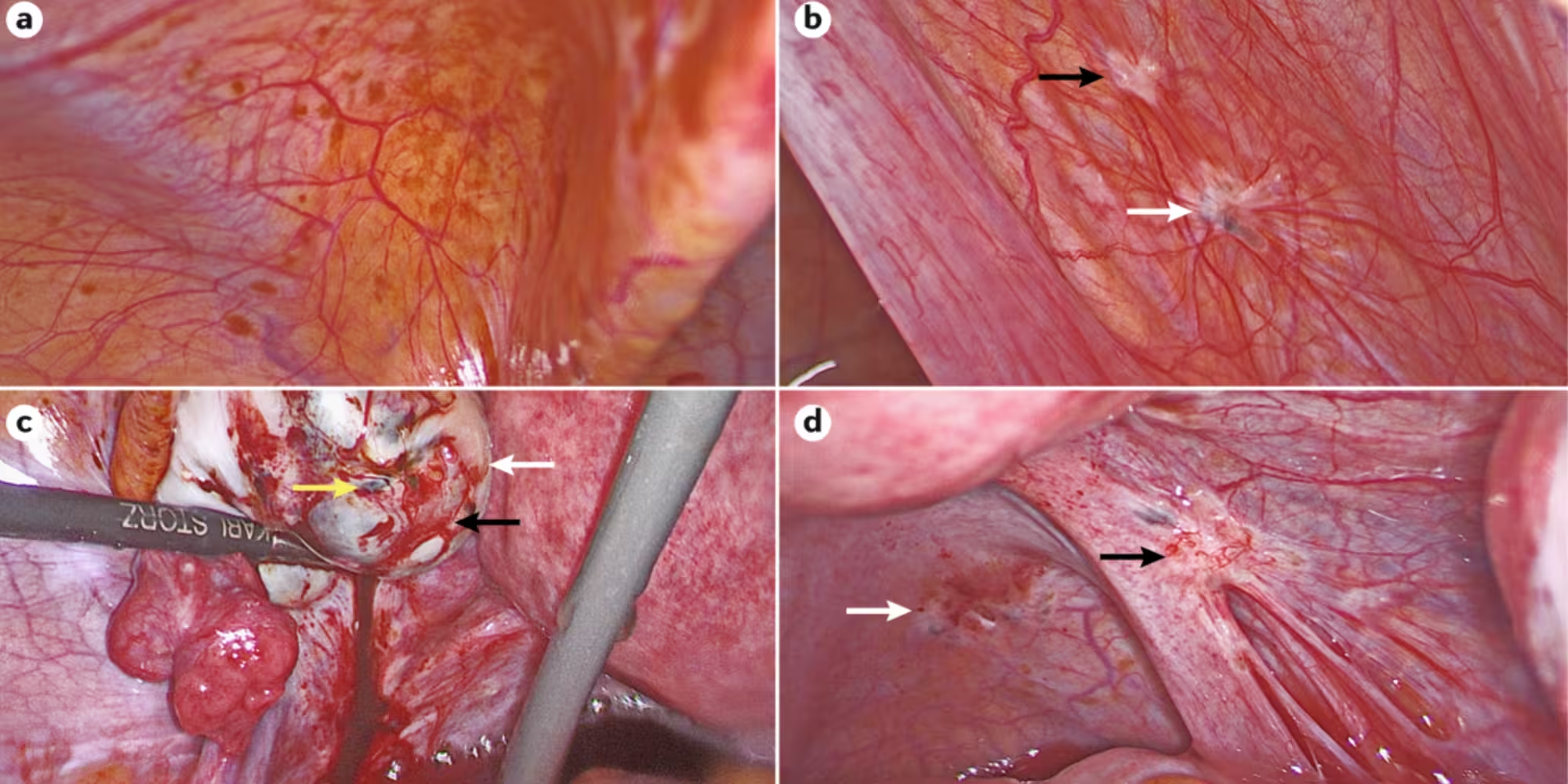
Endometriosis: Symptoms, Causes, Treatment
Rheumatoid Arthritis - Symptoms, Causes, Treatment
Non-Allergic Rhinitis: Symptoms, Triggers, and How It Differs From Hay Fever

Understanding ADHD: Symptoms, Treatments, and the Value of Private GP Services

Defeat Hay Fever: Understanding and Managing Symptoms in the UK
Ready to take the next step?
Before you go
STRUGGLING WITH HAYFEVER THIS SEASON?
Our hayfever treatment is fast, effective often providing relief within 24 hours.
Book Hayfever Treatment →Book a Hayfever Appointment

