
Written by Dr. Simon Khela MBChB MRCGP, GMC Registered Doctor
Last reviewed: 05-08-2026
_________________________________________________________________________
Pancreatitis is one of the few conditions covered in this series where getting the safety information right matters more than almost anything else I could tell you. Most cases are mild and settle with hospital care within a week. But a meaningful minority become genuinely serious, quickly, and knowing the difference and when to act is the single most useful thing this guide can offer.
This article explains what pancreatitis actually is, the difference between the acute and chronic forms, what causes it, the symptoms to recognise, and, most importantly, when sudden abdominal pain needs emergency treatment rather than a wait-and-see approach.
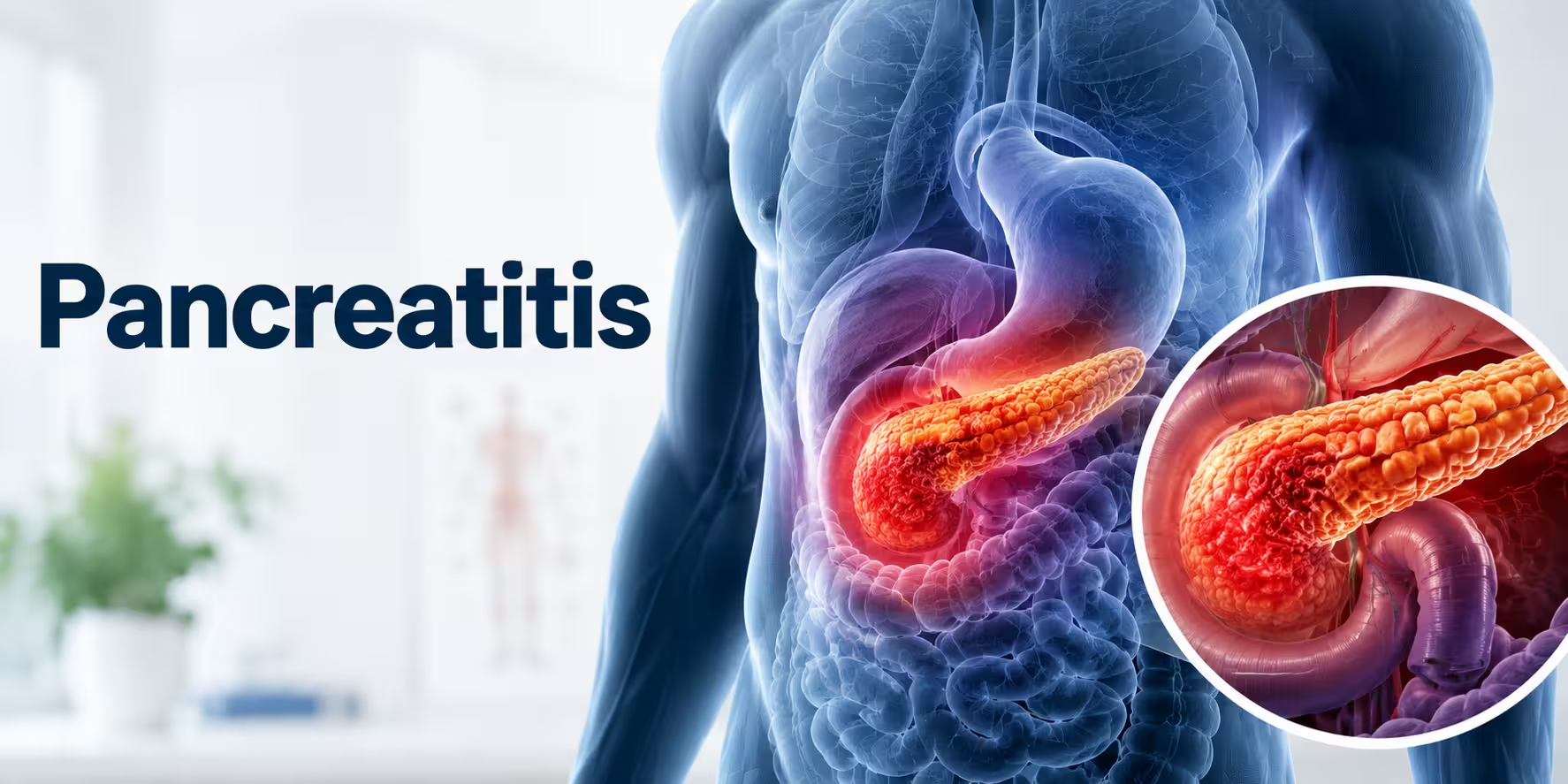
Pancreatitis is inflammation of the pancreas, an organ behind your stomach that helps digest food and produces hormones including insulin. It comes in two distinct forms: acute pancreatitis, which develops suddenly and needs urgent hospital treatment, and chronic pancreatitis, a long-term condition where the pancreas becomes permanently scarred. The most common causes are gallstones and heavy alcohol use, together responsible for around 80% of cases. Most acute cases are mild and improve within a week with hospital care, though around 1 in 4 people develop more serious complications. Chronic pancreatitis has no cure, but its symptoms and complications can be actively managed.
Many patients are surprised to learn that “pancreatitis” actually covers two quite different conditions, and the distinction matters for how worried to be and what treatment looks like:
Repeated episodes of acute pancreatitis, particularly if the underlying cause (usually alcohol) isn't addressed, can eventually lead to chronic pancreatitis , so the two aren't entirely separate stories.
The two most common causes, together responsible for roughly 80% of acute cases, are:
Less common causes of acute pancreatitis include:
Chronic pancreatitis is most commonly caused by long-term heavy alcohol use, and can also be linked to:
A question I am frequently asked is whether pancreatitis only affects heavy drinkers. It doesn't; gallstones are, overall, the more common cause, and plenty of patients with no history of heavy drinking develop pancreatitis this way. Diagnosis usually includes a private blood test to check pancreatic enzymes and other markers, rather than relying on symptoms and history alone to work out what's actually going on.
The main symptom is pain in your tummy (abdomen), which may:
You may also have a high temperature and feel or be sick.
The main symptom is tummy pain, which can be constant or come and go. Other symptoms can include:
Many patients are surprised to learn how similar these symptoms can look to irritable bowel syndrome or gallstones, which is exactly why chronic pancreatitis is sometimes missed or delayed in diagnosis.
This is the section I'd most want you to read carefully. Pancreatitis can escalate quickly, and knowing which category your symptoms fall into genuinely matters.
You have sudden, severe tummy pain and:
You have sudden, severe tummy pain and:
One of the most common concerns I see in practice is a patient who's waited a day or two hoping severe abdominal pain will settle on its own. With suspected acute pancreatitis, that's genuinely not the right approach; do not drive yourself to A&E; ask someone to drive you, or call 999 for an ambulance, and bring any medicines you take with you.
It's a fair question to ask directly, and I'd rather answer it honestly than avoid it. Most people with acute pancreatitis , around 4 out of 5 , have a mild form that settles with rest and supportive hospital care, carrying a low risk of death (under 1%).
For the remaining group, the picture is more serious. Around 1 in 4 people with acute pancreatitis develop complications, which can include infected pancreatic necrosis (where part of the pancreas tissue dies), organ failure, or a serious body-wide infection called sepsis. In these more severe cases, treatment in an intensive care unit may be needed, and pancreatitis can genuinely be life-threatening.
Chronic pancreatitis works differently; it's rarely an immediate emergency in the way severe acute pancreatitis can be, but it can shorten life expectancy over time through its long-term complications, and repeated flare-ups of acute inflammation on top of chronic disease carry the same risks described above. This is exactly why ongoing monitoring and addressing the underlying cause matter as much as treating any single episode.
Acute pancreatitis is usually diagnosed in hospital using:
Chronic pancreatitis can be harder to pin down, and may involve:
If your case is recurrent, unclear, or your GP wants specialist input, a referral to a specialist, usually a gastroenterologist , allows more detailed investigation and ongoing management, particularly for chronic pancreatitis where several specialists are often involved over time.
Acute pancreatitis needs hospital treatment, which typically includes:
Most people start to improve within a week and leave hospital within 5 to 10 days, though severe cases need longer.
There's no cure, but treatment focuses on managing symptoms and related problems:
Both forms are genuinely manageable with the right care; the biggest difference is that acute pancreatitis is a medical emergency in the moment, while chronic pancreatitis is a long-term condition to be managed over years.
If you've had acute pancreatitis once, it's possible to get it again. Steps that can help reduce your risk include:
Chronic pancreatitis can have a significant impact on daily life, and ongoing monitoring is a genuine part of good care, checking for diabetes and bone health over time, alongside a broader health assessment to review how things are tracking overall, rather than only responding when symptoms flare.
It's also worth being honest that living with chronic pain, and in many cases addressing alcohol dependency at the same time, takes a real emotional toll. A confidential mental health assessment alongside physical treatment is a legitimate and often overlooked part of managing this well, not a separate issue to the pancreatitis itself.
Beyond the emergency situations covered above, it's worth speaking to a GP if you have:
A private GP appointment is a reasonable way to discuss non-urgent symptoms like these and agree on whether further investigation makes sense.
Pancreatitis is inflammation of the pancreas. It can be acute (sudden and short-term) or chronic (a long-term condition with permanent scarring), most commonly caused by gallstones or heavy alcohol use.
The most common causes are gallstones and heavy alcohol use, together responsible for around 80% of cases. Less common causes include certain medicines, high blood fat or calcium levels, injury, and some infections.
The main symptom is severe tummy pain, often spreading to the back, alongside nausea, vomiting and sometimes a high temperature. Chronic pancreatitis can also cause bloating, weight loss and unusually smelly, floating stools.
Seek urgent medical advice for sudden, severe tummy pain that doesn't settle or comes with fever. Call 999 or go to A&E immediately if the pain spreads to your back with bloating, a fast heartbeat, breathing difficulty, or bruised-looking skin around your tummy.
Most cases (around 4 in 5) are mild with a low risk of death. However, around 1 in 4 people develop serious complications, and severe acute pancreatitis can be life-threatening without prompt hospital treatment.
Acute pancreatitis is treated in hospital with fluids, painkillers, and sometimes antibiotics or surgery for the underlying cause. Chronic pancreatitis is managed long-term with pain relief, enzyme replacement, and treatment for related problems like diabetes.
Acute pancreatitis develops suddenly and usually resolves within days to weeks with hospital treatment. Chronic pancreatitis is a long-term condition where the pancreas becomes permanently scarred, with no cure but manageable symptoms.
You can reduce your risk by cutting down on alcohol, not smoking, maintaining a healthy weight, and addressing gallstones if you have them, though not every case is preventable.
It can. Chronic pancreatitis can damage the cells that produce insulin, leading to a specific type of diabetes (type 3c) that needs monitoring and, often, insulin treatment.
If alcohol caused or contributed to your pancreatitis, continuing to drink significantly increases the risk of it recurring or progressing to chronic pancreatitis, so stopping or substantially reducing alcohol is usually strongly advised.
Same Day Online Booking
No Time Limits Appointments
Online Consultations Available
Latest Blog Posts

Adult Asthma Explained: Symptoms, Silent Attacks, Causes, Testing, and Late-Onset Diagnosis
Endometriosis: Symptoms, Causes, Treatment

Rheumatoid Arthritis - Symptoms, Causes, Treatment

Non-Allergic Rhinitis: Symptoms, Triggers, and How It Differs From Hay Fever

Understanding ADHD: Symptoms, Treatments, and the Value of Private GP Services

Defeat Hay Fever: Understanding and Managing Symptoms in the UK
Ready to take the next step?

