

Hayfever and eczema are two common allergic conditions that affect millions of people worldwide. While they may seem unrelated at first glance, there is a significant link between these two conditions.
Yes, hayfever (allergic rhinitis) and eczema (atopic dermatitis) are related. Both conditions are part of the "atopic triad," which also includes asthma. These conditions often coexist because they share common genetic and environmental factors. People with a family history of allergies or atopic diseases are more likely to develop hay fever, eczema, or both. The immune system's overreaction to allergens, such as pollen, pet dander, or dust mites, plays a significant role in the development of these conditions.
Pollen, a common allergen, can indeed trigger eczema flare-ups in susceptible individuals. During the pollen season, increased exposure to airborne pollen can irritate the skin and exacerbate eczema symptoms. The mechanism behind this involves the immune system's hypersensitive response to pollen, leading to inflammation and itchiness in the skin. Additionally, when pollen particles settle on the skin, they can directly irritate the already sensitive skin of eczema sufferers, causing redness, swelling, and itching.
Antihistamines are commonly used to manage allergic reactions by blocking histamine, a chemical released during allergic responses. While antihistamines can effectively relieve hay fever symptoms, their role in managing eczema is more complex.
For some individuals, antihistamines can help reduce the itchiness associated with eczema, particularly if the itching is triggered by allergens like pollen. However, antihistamines do not address the underlying inflammation of eczema and are generally not sufficient as a standalone treatment for eczema. They are often used in conjunction with other treatments, such as topical corticosteroids, moisturisers, and immunomodulators, to manage the condition more effectively.
The biggest trigger for eczema can vary from person to person, but common triggers include:
Managing eczema involves identifying and avoiding these triggers, maintaining proper skin care routines, and using prescribed medications to control inflammation and itching.
Understanding the link between hayfever and eczema can help individuals better manage these conditions. While pollen can trigger eczema flare-ups, antihistamines may provide some relief from itching, but they are not a cure for eczema. Identifying personal triggers and following a comprehensive treatment plan are essential steps in managing eczema effectively. If you suspect that your eczema is being exacerbated by hayfever or other allergens, consult with a healthcare provider for personalised advice and treatment options.
Book a Hayfever consultation with one of our doctors.
Same Day Online Booking
No Time Limits Appointments
Online Consultations Available
Latest Blog Posts
.avif)
What is HIV and its symptoms?
.avif)
High Cholesterol Warning Signs: What to Look for on Your Face & Body

What Is Bacterial Vaginosis (BV)? Signs, Causes and Treatment That Actually Works

The 14 Regulated Food Allergens Explained | UK Food Law Guide
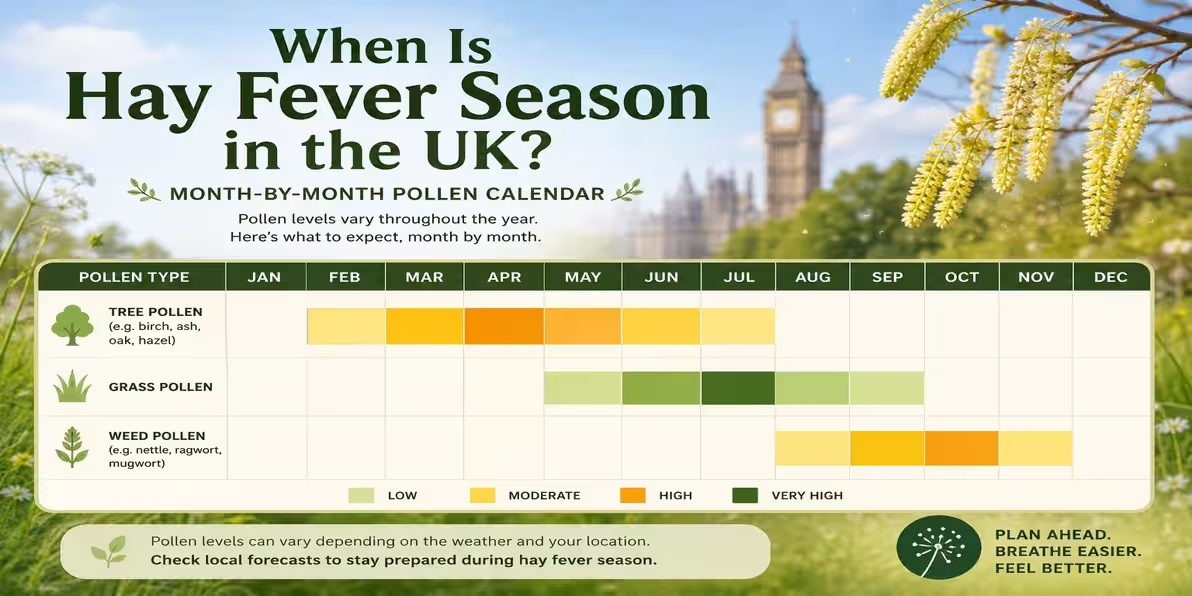
When Is Hayfever Season in the UK? Month-by-Month Pollen Calendar
Ready to take the next step?


