
Written by Dr. Simon Khela MBChB MRCGP, GMC Registered Doctor
Last reviewed: 08-06-2026
________________________________________________________________________________________________________________________________
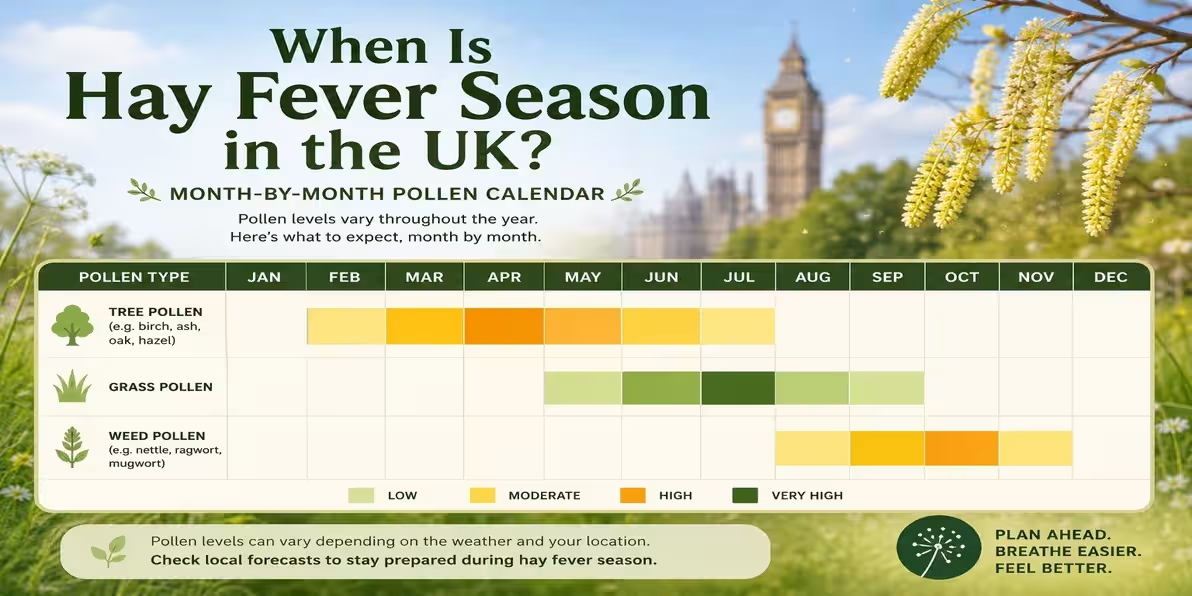
The time of the year for hayfever in the UK generally lasts from March to September, but mild winters can result in pollen releases as early as January or even February. The most common symptoms are seen in three distinct phases of the season: tree pollen (March until May), grass pollen (May until July), and weed pollen (June until September). The month-by-month calendar of pollen illustrates when various pollens are in full swing and the times when symptoms are most likely to develop.
The season of Hayfever usually starts in the early spring, when tree pollen begins to circulate, and is over by the time the amount of weed pollen falls. The exact time of onset varies between years based on the weather temperatures, regional climate, and temperature variations; however, most people are affected between March and September.
It is believed that the UK pollen season can be divided into three major stages. The season for tree pollen generally lasts from late March until mid-May, with birch pollen being the cause of some of the most severe allergic reactions. The grass pollen season is from mid-May until July and can affect around 95% of those suffering from hayfever, and is the most significant season for pollen within the UK. The hayfever season typically runs from the end of June to September.
Weather plays an important part in determining when the pollen seasons start. Warm winters and mild springs may trigger earlier release of pollen, as well as long periods of cold weather, which can hinder the flowering. Sunny, dry conditions typically enhance pollen production. On the other hand, prolonged wet weather may temporarily lower the levels of airborne pollen.
The kind of pollen present that is in the air fluctuates throughout the year. Knowing the type of pollen that is active every month will help you pinpoint the trigger that is triggering you and be prepared prior to the symptoms becoming severe.
While January is not typically associated with hay fever, a few sufferers have symptoms during warm winters. Young tree species, like hazel and yew, can release pollen in warm weather. If you are experiencing chronic symptoms all winter long, indoor allergens like dust mites could contribute to them.
February marks the start of the UK's first pollen season for trees. Hazel pollen is usually the highest in this month, and willow, alder, and elm pollens may start to circulate. People who are allergic to tree pollen might notice nose congestion and itchy eyes coming back after the winter.
March is usually thought of as the beginning of the primary allergy season for hayfever throughout the UK. The levels of pollen in trees increase dramatically as willow, alder, and ash grow more active. The first signs of birch pollen could appear at the close of the month, especially in the southern regions.
April is usually the most challenging month for people suffering from an allergy to tree pollen. Birch pollen is at its highest and is among the most allergenic pollens of trees found in the UK. Ash pollen, plane, and oak can also be found, which creates the conditions for prolonged exposure for a lot of sufferers.
May is a time of transitional period between the tree pollen season as well as grass pollen season. The pollen of trees is still active, mainly pine and oak, while grass pollen starts to increase in mid-May and continues to increase. Many people who've never had symptoms of spring may begin feeling hay fever during this time.
The month of June is generally regarded as the most difficult month to suffer from allergies in the UK. Pollen from grass reaches its peak during the two weeks that begin the month, which results in the highest pollen count throughout the year. Grass pollen is a factor in the majority of people suffering from hay fever and is associated with the worst symptoms throughout England as well as Wales.
Grass pollen levels remain high throughout the first part of July, creating an additional, however generally lower, peak. The levels gradually decrease towards the end of July, but symptoms could be persistent. Pollens from weeds like mugwort and nettle also become more active during summer.
August is marked by pollen from weeds. Although grass pollen tends to decrease dramatically, nettle, mugwort, and ragweed keep in the air. People who are sensitive to weed pollens may experience symptoms that persist after the majority of grass pollen sufferers have experienced relief.
Most people experience the hayfever season begins to wind down in September. The levels of grass pollen are usually extremely low, and the weed pollen level gradually declines during the course of the month. Some sufferers notice improvements in their symptoms, but certain people are vulnerable to pollen from the late season.
The levels of pollen are typically low in October, yet symptoms can occur. Some pollen from weeds may be present during the mild autumns. Furthermore, mold spores are more frequent during humid conditions and can cause allergic symptoms in those who are susceptible.
In November, the levels of pollen are typically in the vicinity of zero across a large portion of the UK. The symptoms that are experienced in November tend to be connected to spores of mould as well as indoor allergens. If the symptoms persist throughout the year, it might be worthwhile to consider whether allergic rhinitis is causing them.
December usually has the lowest levels of pollen in the year. However, some species of trees prepare for the upcoming pollen season, especially in winters that are unusually mild. Many people experience minimal or no symptoms associated with pollen during this time.
The time of your symptoms could offer valuable clues to the type of pollen responsible for your allergy. The symptoms that manifest during the month of February to May can be related to pollen from trees; those that begin in the latter part of spring and persist throughout the summer months are likely to be triggered by grass pollen. The symptoms that persist through late summer or the beginning of autumn could suggest the presence of weed pollen.
If symptoms appear all year round, rather than at a specific time, it is possible that pollen is not the main reason. Tests for allergy can help determine which allergens cause. A physician can schedule testing to pinpoint the trigger and assist in managing your treatment.
Conditions in the weather have a huge impact on the amount of pollen. Dry, warm days with temperatures that range between 18 and 28 degrees Celsius tend to have the highest numbers of grass pollen. Gentle breezes can help disperse pollen throughout the air, increasing the amount of exposure.
Rain may temporarily decrease the amount of airborne pollen that is swept off the air. The prolonged rain in the morning can make counts less frequent throughout the entire day, whereas brief afternoon showers typically are less effective. Conditions of cloudiness can also decrease pollen production due to the limitation of the amount of sunlight.
The strength of the wind influences exposure in a variety of ways. Light winds may not be able to carry pollen effectively, while powerful winds may disperse pollen across larger areas, which can reduce the local concentration.
The highest levels of pollen are typically in the morning when plants release pollen in the air. The second spike could happen in the evening, as temperatures drop and pollen from the air is pushed closer to the ground. Monitoring daily forecasts for pollen can aid in planning outdoor activities if counts are lower.
The season of Hayfever does not commence and end at the same time in the UK. The local climate, geography, and vegetation all have an impact on the levels of pollen.
In general, the southern areas of England are more pollen-prone in comparison to Northern England and Scotland because temperatures rise earlier in the spring. Scotland typically has a shorter period of time, while rural areas generally have higher pollen counts than cities due to higher levels of trees, grasses, and weeds.
The coastal areas may have less pollen than areas inland because the sea breezes help disperse pollen that is carried by air. But local conditions can vary, and therefore checking regional forecasts for pollen is the best method of monitoring the risk levels daily.
Studies suggest that changes in the climate could influence the pollen season within the UK. Temperatures that are warmer can result in more early flowering and longer growing seasons, possibly increasing the amount of exposure to pollen.
A few studies have indicated that higher levels of carbon dioxide could increase the production of pollen in some plants. In turn, people suffering from hayfever may suffer symptoms for longer durations as opposed to previous decades.
Experts continue to track the spread of allergenic plants. This includes common ragweed, which is an important species because of its capacity to produce massive amounts of pollen.
Making preparations prior to when your pollen season begins can reduce the impact of symptoms after pollen counts begin rising. The most effective strategy is based on the trigger as well as the severity of your symptoms and your prior reaction to treatment.
Recognizing when your symptoms start is the initial step. When you match your symptoms to the calendar of pollen, it will help you determine whether the weed, grass, or tree pollen is your most likely trigger. You can make plans accordingly.
Many treatments for hay fever are most effective when they are started before symptoms get serious.
Nasal sprays containing steroids can require up to two weeks before they reach full effect, which is why they're usually started two weeks before your normal pollen season starts. For instance, someone who has an allergy to grass pollen may think about starting treatment at the beginning of May, prior to the peak of grass pollen, which starts to appear in June.
Antihistamines typically work faster and can be used at the time that symptoms begin to manifest.
For a comprehensive description of the options available, check out our guide to remedies for hayfever.
If you are experiencing persistent symptoms despite making use of the right medications, it is worth having a clinic evaluation. A health professional can look over your symptoms, identify potential triggers, and decide if additional tests are needed.
If you experience symptoms all year round, not in a specific time of the year, the pollen might not be the primary reason. For instance, conditions such as perpetual allergic rhinitis can cause similar symptoms, but they are typically caused by allergens in the indoor environment, like house dust mites, mould, pet dander, or mould.
If your symptoms aren't responding to treatment options, consult a doctor to evaluate your options ahead of the peak season. If you're not sure what allergen is responsible for your symptoms, talk to our doctors regarding allergy testing and assessment prior to the start of the season that triggers you.
If you're struggling with sneezing, itchy eyes, a blocked or runny nose, or your usual hay fever medication isn't providing enough relief, don't wait for symptoms to peak. A personalised treatment plan can help you stay ahead of the pollen season.
Same-day private GP appointments available. Our GMC-registered doctors can assess your symptoms, recommend the most appropriate hay fever treatment, discuss prescription medications or hay fever injections where suitable, and arrange allergy testing if needed. No referral needed.
Select a Private GP Clinic near your location now:
The season of Hayfever in the UK generally lasts from spring until the beginning of autumn, and there are three distinct phases of pollen. The predominant pollen is typically that of trees between March and May. Grass pollen is most active from May through July, and weed pollen is active from late June to September.
Knowing when various pollens are released will help you determine your trigger, prepare for your peak season, and take care of symptoms better. If the symptoms are severe, persistent, or do not respond to treatment options, A clinical examination and allergy test may identify the source and provide the next steps in treatment.
With the month-by-month calendar of pollen above and monitoring local forecasts for pollen, you can take sensible steps to minimize exposure and prepare for the months in which the most symptoms will develop.
In the eyes of most people who suffer from hayfever, June is the worst month to suffer from the condition known as hayfever. Pollen from grass reaches its highest levels in the first two weeks of June. Furthermore, since grass pollen has a negative effect on the majority of people suffering from hay fever, the symptoms are usually the most severe at this time.
Most people experience that the hayfever season starts to subside in September because weed pollen and grass levels drop. But some are affected through the early fall, particularly those who are affected by late-season weed pollen or mould spores.
Yes. Although the levels of pollen are typically significantly lower in winter, certain species of trees like alder and hazel may begin to release pollen during warm weather. Some winter symptoms could cause allergies in the indoor environment, rather than pollen.
The most efficient method to determine the level of pollen in the air is to consult an hourly forecast of pollen levels. It is the Met Office that publishes UK pollen forecasts, which give information about the region on expected pollen counts and levels of allergy risk.
Rain is often a good way to reduce exposure to pollen by removing pollutants from the atmosphere. In the case of prolonged rain, especially in the morning hours, can reduce pollen levels during the entire day. Showers that are short may offer temporary relief, but they usually have a less obvious effect.
For all types of pollen across all pollen types, the UK hayfever season may last from March or February to September. However, the majority of sufferers are allergic to just one particular pollen group, which means that their symptoms typically are more severe during the latter part of the season.
Same Day Online Booking
No Time Limits Appointments
Online Consultations Available
Latest Blog Posts

NHS GP vs Private GP: Which One Is Right for You?

How to See a Private GP Today: Fast, Flexible Options Explained

Is Private Healthcare Worth It? A Private GP’s Honest Take on Private vs NHS Care

Evening & Weekend Private GP Appointments in London: How to Book Same-Day Care Outside Normal Hours

Private GP Services: A Growing Importance as NHS Plan Appointment Caps
Ready to take the next step?


