
Written by Dr. Simon Khela MBChB MRCGP, GMC Registered Doctor
There is no proven natural cure for hay fever, but several non-drug measures may help reduce symptoms. Limiting pollen exposure, using a saline nasal rinse, showering after being outdoors and applying a cold compress to irritated eyes are among the most practical natural hay fever remedies. Evidence for honey, herbs and supplements remains limited.
Hay fever season can be difficult for people who experience sneezing, itchy eyes, nasal congestion and a runny nose. Antihistamines are commonly used, although some types can cause drowsiness and may not fully control symptoms for everyone.
This guide explains which natural remedies for hay fever may provide relief, which popular remedies have limited evidence and when professional treatment may be appropriate.
Hay fever, also known as seasonal allergic rhinitis, is an allergic reaction to pollen from trees, grasses and weeds. When pollen comes into contact with the nose, mouth or eyes, the immune system releases chemicals including histamine. This causes symptoms such as:
• Sneezing and coughing
• A runny or blocked nose
• Itchy, red or watery eyes
• Itching in the throat, mouth, nose or ears
• Headaches or pressure around the face
• Tiredness and reduced concentration
There is no proven permanent natural cure for hay fever. However, reducing pollen exposure and using appropriate symptom-relief measures may make the condition easier to manage.
For those looking for expert hay fever consultations, check out our private hay fever treatment services.
There is no scientifically proven natural way to cure hay fever permanently. Natural measures may reduce pollen exposure and ease symptoms, but they do not remove the underlying allergy. People with severe or persistent hay fever may benefit from medical treatment or, in selected cases, allergen immunotherapy. If you are not sure what is triggering your symptoms, allergy testing can help confirm whether pollen, or something else, is the cause.
Reducing contact with pollen is one of the most effective non-drug ways to manage hay fever. Practical steps include:
• Checking the daily pollen forecast
• Keeping windows closed when pollen levels are high
• Avoiding freshly cut grass
• Wearing wraparound sunglasses outdoors
• Drying clothes indoors rather than outside
• Keeping pets out of the bedroom if they have been outdoors
Saline nasal sprays and rinses may help remove pollen, mucus and irritants from the nasal passages. They can also help relieve dryness and congestion without using antihistamine medication.
Use a pharmacy-prepared saline product or follow safe nasal-rinsing instructions carefully. Water used for nasal irrigation should be sterile, distilled or previously boiled and cooled.
Pollen sticks to your hair, skin, and clothes, making your symptoms worse when you come indoors.
Showering, washing your hair and changing your clothes after spending time outdoors can reduce the amount of pollen carried into your home. Avoid placing outdoor clothing on your bed or bedroom furniture.
Watery, itchy, and swollen eyes are among the most frustrating hay fever symptoms.
A clean cold compress is one of the safest home remedies for itchy or swollen hay fever eyes. Place it gently over closed eyelids for several minutes to help reduce discomfort.
Artificial Tears
Lubricating eye drops can help flush pollen particles from the surface of the eyes and provide soothing relief.
Choose sterile eye drops and ask a pharmacist which product is suitable for allergy-related eye symptoms.
Avoid Rubbing Your Eyes
Although tempting, rubbing your eyes can worsen inflammation and spread allergens further across the eye surface.
Wash your hands before touching the eye area and wear wraparound sunglasses outdoors to reduce pollen exposure.
Do not place herbal tea bags, essential oils or homemade preparations directly on or near the eyes, as these may cause irritation or introduce contaminants.
Seek prompt medical advice if you develop eye pain, changes in vision, marked swelling or symptoms affecting only one eye, as these can be signs of a more serious hayfever eye problem.
Reducing pollen indoors may help limit ongoing exposure. Consider the following:
• HEPA filters in your vacuum cleaner can help remove pollen from carpets and furniture.
• Pollen filters in car air vents reduce exposure when driving.
• Air purifiers with HEPA filters may help reduce airborne particles indoors.
• Damp-dust surfaces rather than using a dry cloth.
• Avoid bringing fresh flowers into rooms where you spend long periods.
Local honey is widely promoted as a natural remedy for hay fever, but there is not enough evidence that it reduces symptoms or desensitises the immune system. The pollen collected by bees is also not necessarily the same airborne pollen that commonly triggers hay fever.
Honey may be enjoyed as part of a normal diet, but it should not be treated as an alternative to proven allergy management. Bee pollen supplements should be used cautiously because they may trigger allergic reactions in sensitive individuals.
No food, herb or supplement has been proven to work as reliably as antihistamine medicine for hay fever. Vitamin C, quercetin, nettle and butterbur are often described as natural antihistamines, but the clinical evidence is limited or mixed.
Supplements can also cause side effects or interact with medicines. Speak to a pharmacist, GP or other qualified healthcare professional before taking them, especially if you are pregnant, breastfeeding, treating a child or using prescription medication.
Vitamin C
Vitamin C supports normal immune function, but there is limited evidence that vitamin C supplements provide meaningful relief from hay fever symptoms. A balanced diet containing fruit and vegetables is generally preferable unless supplementation has been recommended by a healthcare professional.
Garlic and Quercetin
Garlic and onions contain plant compounds including quercetin. Although these compounds have been studied for possible anti-inflammatory and histamine-related effects, garlic has not been proven to treat or prevent hay fever.
Garlic supplements may also affect certain medicines, including some blood-thinning treatments.
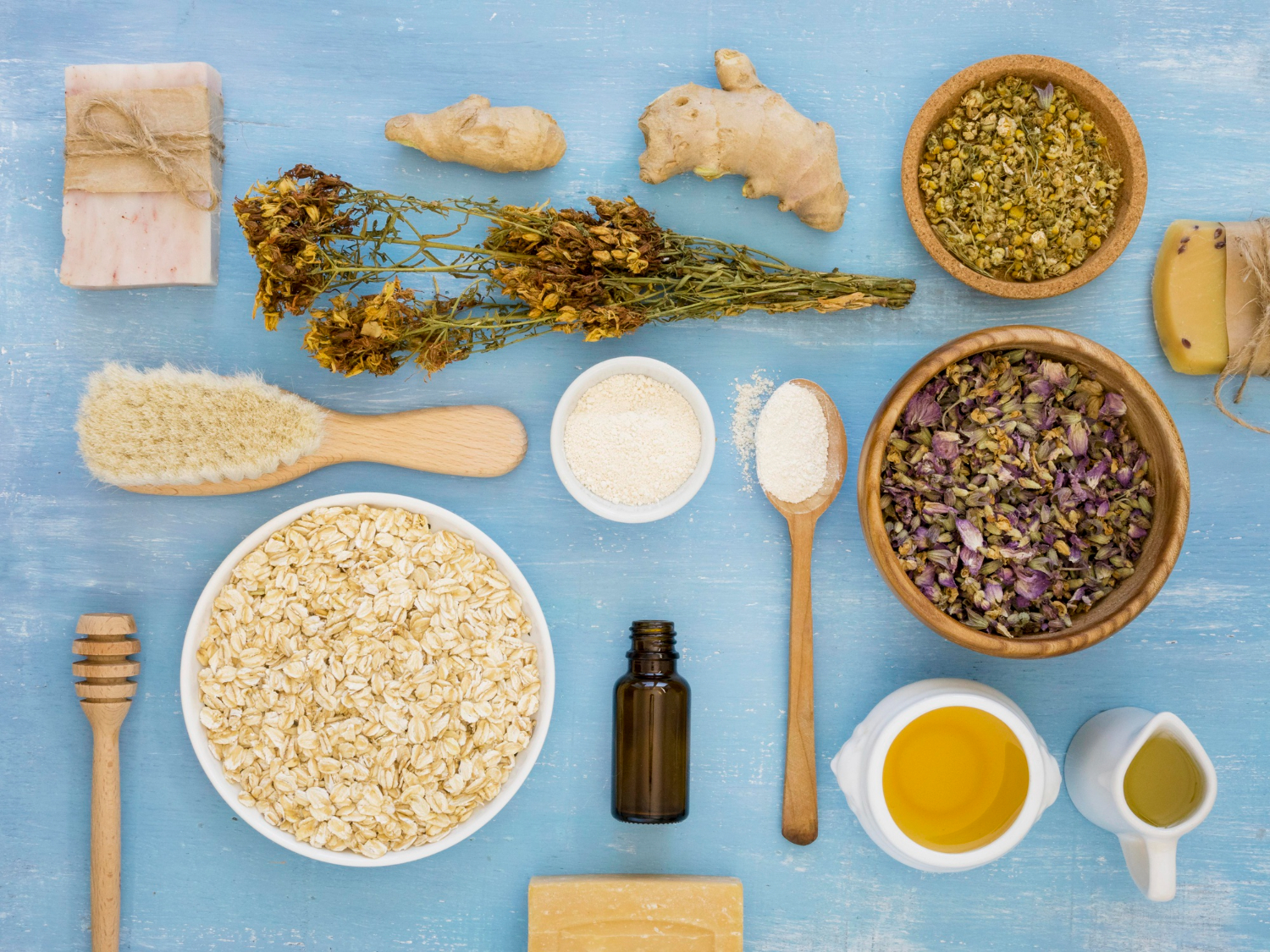
Nettle, ginger, chamomile, quercetin and butterbur are commonly promoted as herbal remedies for hay fever. However, evidence for their effectiveness is limited, and herbal products should not replace established allergy treatments.
Chamomile Tea
Chamomile tea may be soothing as a warm drink, but it has not been proven to relieve hay fever. People with allergies to plants in the daisy family may also react to chamomile. Do not use chamomile tea bags as an eye treatment.
Nettle Tea
Nettle has traditionally been used for allergy symptoms, but there is not enough high-quality evidence to confirm that nettle tea or supplements reliably reduce sneezing, itching or congestion.
Ginger Tea
Ginger contains compounds with anti-inflammatory properties, but evidence that ginger tea specifically relieves hay fever remains limited. It can still be enjoyed as part of a balanced diet.
Butterbur
Some butterbur products have been studied for allergic rhinitis, but untreated butterbur may contain harmful compounds. Butterbur should only be considered after speaking to a qualified healthcare professional and should never be used in an unregulated form.
Steam may temporarily soothe dryness or nasal discomfort, but it does not treat the allergic reaction causing hay fever. Bowls of very hot water can cause serious scalding injuries, so they are not recommended as a routine home treatment.
A warm shower, a humid environment or a saline nasal spray is generally a safer option. Avoid adding eucalyptus, peppermint or other essential oils, as they may irritate the eyes, skin or airways.
Some studies suggest acupuncture may provide modest symptom relief for certain people with allergic rhinitis, but the evidence is mixed. It should be viewed as a complementary option rather than a proven cure.
Choose a suitably qualified practitioner and continue any treatment recommended by your doctor or pharmacist.
It is usually better to begin pollen-avoidance measures before symptoms become severe. If you experience hay fever every year, monitor pollen forecasts and start practical measures shortly before your usual allergy season.
Certain preventive medicines, such as some nasal sprays, may work best when started before peak exposure, but these should be used according to professional or product guidance.
There is no strong evidence that starting honey, herbal teas or vitamin supplements several weeks early trains the body to tolerate pollen.
Tree pollen often appears in spring, grass pollen commonly peaks in late spring and summer, and weed pollen may remain present later in the year. The timing varies by location and weather conditions.
No particular food has been proven to cure hay fever. However, a balanced diet can support general health during allergy season. Useful foods may include:
• Citrus fruits and other sources of vitamin C
• Red peppers
• Broccoli
• Spinach
• Oily fish containing omega-3 fatty acids
• Garlic and onions
• A varied range of fruit, vegetables, whole grains and protein sources
These foods should be viewed as part of a healthy diet rather than as direct treatments for hay fever.
Some people notice that alcohol worsens nasal congestion or other allergy symptoms. People with pollen-food syndrome may also experience itching or swelling after eating certain raw fruits, vegetables or nuts.
There is limited evidence that avoiding dairy products, sugar or processed foods improves hay fever symptoms for most people. Unnecessary food restrictions may reduce dietary variety and should not be introduced without a clear reason.
Keeping a food and symptom diary may help identify personal patterns. Seek medical advice if food causes swelling, breathing difficulty, dizziness or a widespread allergic reaction, as these can be signs of anaphylaxis.
People who want to reduce hay fever symptoms without tablets can try pollen avoidance, saline nasal rinses, cold eye compresses, showering after outdoor exposure and improving indoor air quality. A pharmacist may also recommend non-tablet treatments such as nasal sprays or allergy eye drops.
Speak to a pharmacist or clinician if:
• Symptoms are affecting sleep, work, school or daily activities
• Home measures are not providing enough relief
• You are unsure which treatment is safe
• You have asthma that worsens during pollen season
• You experience recurrent sinus or ear symptoms
• You are treating a young child
• You are pregnant or breastfeeding
Seek urgent medical help for breathing difficulty, severe facial swelling, faintness, significant eye pain or changes in vision, which may indicate anaphylaxis or another serious reaction.
If you're considering treatment, you can visit one of our clinics across the UK. Explore the locations below to find your nearest option.
Hay fever symptoms affecting your sleep, work or daily activities? Book a consultation with Private Medical Clinic to discuss your symptoms and suitable treatment options.
Same-day appointments may be available for £75. Availability and pricing should be confirmed when booking.
Natural hay fever remedies can help reduce pollen exposure and provide temporary symptom relief, but they cannot permanently cure the underlying allergy. The most practical options include saline nasal rinses, showering after outdoor exposure, using a cold compress for irritated eyes and reducing pollen levels indoors.
Popular remedies such as local honey, garlic, herbal teas and vitamin supplements have limited or mixed evidence. They should not replace proven treatment, particularly when symptoms are severe.
If your hay fever symptoms persist despite self-care measures, consult your GP, pharmacist or another qualified healthcare professional. Our private GP services can provide personalised advice and discuss appropriate treatment options.
How Do I Get Rid of Hay Fever ASAP?
There is no instant cure, but a saline nasal rinse, a cold compress on the eyes and moving away from pollen (indoors, windows closed) can ease symptoms within minutes. For faster relief, a pharmacist-recommended antihistamine or nasal spray works more reliably than natural measures alone.
How Do I Flush Pollen Out of My System?
You cannot flush pollen from the bloodstream, but you can remove it from the surfaces it irritates: rinse the nose with sterile saline, use lubricating eye drops to clear the eyes, shower and wash your hair after being outdoors, and change clothes that have been worn outside.
Do Natural Hay Fever Remedies Really Work?
Some natural or non-drug measures may help. Reducing pollen season exposure, using saline nasal rinses and applying a cold compress to irritated eyes can provide relief. Evidence for local honey, herbal remedies and supplements is limited or mixed.
Can Hay Fever Be Cured Permanently Naturally?
No. There is no proven natural way to cure hay fever permanently. Natural measures may relieve symptoms, but they do not remove the underlying allergy. Medical treatment or allergen immunotherapy may be considered for persistent or severe symptoms.
How Can I Stop Hay Fever Naturally?
You can reduce symptoms by limiting pollen exposure, keeping windows closed when pollen is high, showering after being outdoors, changing clothes, using a saline nasal rinse and wearing wraparound sunglasses. These measures help manage hay fever but do not cure it.
What Is the Best Natural Antihistamine for Hay Fever?
No natural product has been proven to work as reliably as antihistamine medicine. Quercetin, vitamin C, nettle and butterbur are often marketed as natural antihistamines, but evidence is limited and supplements may cause side effects or interactions.
What Is the Best Home Remedy for Hay Fever Eyes?
A clean cold compress is one of the safest home remedies for itchy or swollen hay fever eyes. Sterile lubricating eye drops may also help remove pollen. Avoid rubbing your eyes or applying herbal tea bags and essential oils near them.
What Herbal Remedies Help Hay Fever?
Nettle, ginger, chamomile, quercetin and butterbur are commonly promoted for hay fever, but evidence is limited or mixed. Herbal products can also interact with medicines, so professional advice is recommended before using supplements.
Does Local Honey Help Hay Fever?
There is not enough evidence that local honey prevents or relieves hay fever. It does not work in the same way as allergen immunotherapy and should not replace proven treatment.
How Can I Help Hay Fever Without Tablets?
Try reducing pollen exposure, using a saline nasal spray, applying a cold compress to itchy eyes, showering after going outdoors and improving indoor air quality. Nasal sprays and allergy eye drops may also be available from a pharmacist.
What Foods Should I Avoid If I Have Hay Fever?
There is no universal hay fever diet. Alcohol worsens nasal symptoms for some people, while pollen-food syndrome can cause reactions to certain raw foods. There is limited evidence that avoiding dairy or sugar improves hay fever generally.
When Is Hay Fever Season in the UK?
Hay fever season usually runs from spring to early autumn. Tree pollen is more common in spring, grass pollen often peaks from late spring into summer, and weed pollen may remain present later in the year. Exact timings vary with location and weather, so check the Met Office pollen forecast for your area.
What Is the Best Hay Fever Home Remedy?
The most useful approach is usually a combination of pollen avoidance, saline nasal rinsing, showering after outdoor exposure and cold compresses for irritated eyes. These measures may relieve symptoms but will not cure hay fever.
Do Herbs for Hay Fever Really Work?
Some herbs have been studied for allergy symptoms, but the evidence is not strong enough to confirm that they reliably treat hay fever. Herbal remedies should be used cautiously and should not replace medically proven treatment.
Can Natural Remedies Help Severe Hay Fever?
Natural measures may reduce exposure and provide some symptom relief, but severe hay fever often requires professional assessment and evidence-based treatment. Seek advice if symptoms affect sleep, breathing, concentration or daily activities.
Same Day Online Booking
No Time Limits Appointments
Online Consultations Available
Latest Blog Posts
%20(1).avif)
How to Improve Sleep Hygiene: 7 Practical Tips

Spirometry Test: What It Shows, How It Works and What Results Mean
What Is Bacterial Vaginosis (BV)? Signs, Causes and Treatment That Actually Works
.avif)
What is autoimmune disease?

AuDHD vs ADHD: How to Tell the Difference
Earwax Removal: Ear Syringing vs Microsuction - Which Is Better?
Ready to take the next step?

