
Written by Dr. Simon Khela MBChB MRCGP, GMC Registered Doctor
Last reviewed: 10-06-2026
________________________________________________________________________________________________________________________________
Have you ever had the pleasure of eating fresh fruit and noticed your lips begin to tingle within a matter of minutes? Maybe your mouth was dry, or your throat was a little scratchy, and you didn't have any issues eating apple crumble that night.
If this sounds like you, it could be because you suffer from oral allergy syndrome, which is also called the pollen-related food allergy syndrome.
Even though it sounds alarming and alarming, oral allergy syndrome (OAS) is typically an unaffected condition that is linked to hay fever. It occurs because the immune system mistakenly recognises the protein in some raw vegetables, fruits or seeds for pollen proteins. This causes an allergic reaction that usually can affect the mouth, lips and throat immediately after eating.
The good news is that the majority of reactions are minor and only last a short time. However, as certain food allergies may be more severe, it's crucial to recognise the difference between them, recognise the warning signs and be aware of when to seek advice from a professional.
In this article, we'll go over the reasons OAS occurs, what causes the most symptoms, and how OAS differs from other allergy conditions, and when allergen testing might be a good idea.
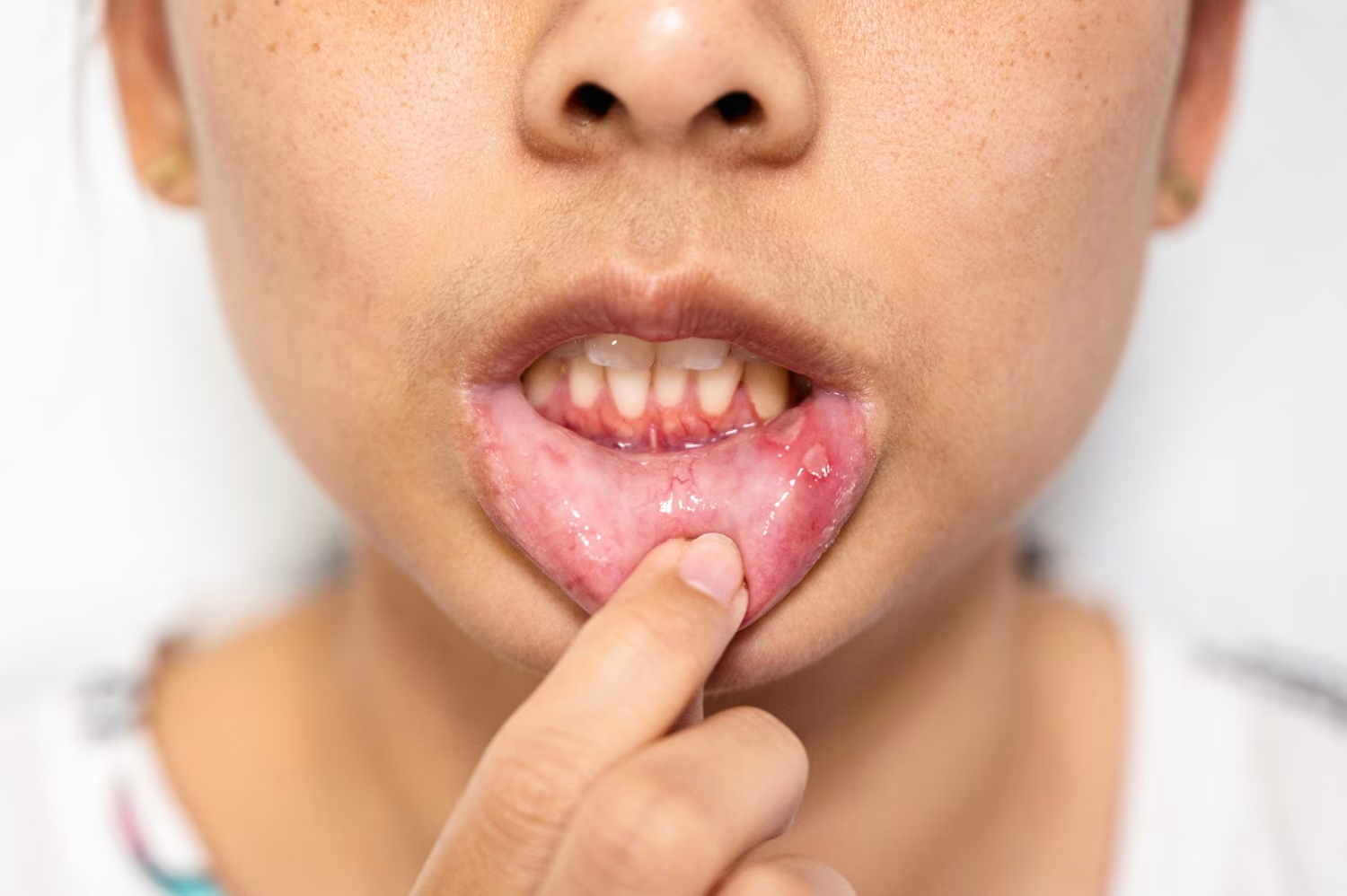
Oral allergy syndrome (OAS), also known as the pollen-related food syndrome (PFS) is a form of food allergy triggered by cross-reactivity between pollens and certain plants. The immune system mistakenly interprets the proteins found in raw vegetables, fruits and seeds as pollen proteins. This leads to tingling, itching or small swelling in the throat and mouth.
OAS is among the most frequent food-related allergies that can be experienced by people suffering from allergic rhinitis and hay fever.
Research suggests that in those who suffer from birch pollen allergy, about 50-75% suffer from oral allergy symptoms at some time. Although the condition affects only an insignificant portion of the population at large, it is much more frequent in those who are already allergic to pollens from trees.
The words oral allergy syndrome and pollen food allergy are typically used interchangeably.
The reason is cross-reactivity, which is a term used to describe it.
If you suffer from allergies to pollens, your immune system produces antibodies that recognise certain pollen proteins. Unfortunately, certain fruits, such as vegetables, nuts, and seeds, have proteins that look strikingly similar.
When you consume any of these food items, the immune system gets confused and reacts as if pollen has entered your body.
Consider it a mistaken identity.
The allergy was initially caused by pollen; the immune system misidentifies food proteins as being similar to the threat.
This is the reason the oral allergy disorder is connected to the pollen you're allergic. Different pollens are linked to various foods.
It is important to note that sensitisation to pollen typically occurs first. In rare instances, people may develop a condition known as pollen food syndrome even though their symptoms of seasonal allergy are not severe.
Oral allergy syndrome is a condition that most often is experienced by people who have:
It is often seen in the following times:
Many people are shocked since they've been eating the same food for years with no problems.
The child who suddenly stops eating peaches, apples or raw carrots might not be exhibiting fussiness. It could be that they are suffering from the oral allergic syndrome.
For adults, signs typically occur after years of a long-standing allergy to pollen.
Symptoms typically begin within 5-10 mins after eating trigger foods and usually subside within an hour. The most common reactions cause irritation to the tongue, lips and throat as the proteins responsible for them are quickly destroyed when swallowed.
Common symptoms are:
A lot of people experience symptoms that disappear by themselves, without any treatment.
One reason why reactions tend to remain localised is the fact that stomach acid rapidly breaks down the proteins involved before they travel throughout the body.
Yes. And a lot of people are shocked by this.
The preparation of raw fruits and vegetables may create symptoms before you've consumed them.
Chopping, peeling or scraping food items can release tiny particles of air, which could cause:
Potatoes are an especially frequent example, which is the reason why people often ask:
"Why do potatoes that are peeled cause me to cough?"
If this is the case If this is the case, there are some steps you can take to help:
The reaction that occurs during preparation is a well-known but frequently neglected aspect of the pollen food syndrome.
The majority of cases of oral allergy syndrome are mild and self-limiting. However, more serious reactions may be experienced, and symptoms shouldn't be ignored without a thorough evaluation.
A variety of factors can increase the risk
The vast majority of people won't have a serious reaction.
However, signs of breathing problems, hives that are widespread, dizziness, or swelling that extends beyond the mouth should be treated with immediate medical care.
The food items involved are based largely on the pollen that triggers your allergic reaction. Different people react differently to each pollen-related food, and the reactions can vary among individuals.
Within UK Clinics, food items that are most often linked to pollen food syndrome are:
Remember, trigger food is extremely individual.
A birch pollen allergy does not mean you'll be allergic to every food related to the birch.
Apple reactions may be the most well-known instance of oral allergies within the UK.
The birch pollen is a source of proteins that are similar to those that are found in apples. Since birch is among the most pollens for allergies and, the apple-birch connection is quite frequent.
Some people seem to like certain varieties of apples better than others.
One may be extremely sensitive to a particular type of food, but feel very little or no discomfort with another.
However, the idea of experimenting is only recommended in cases where symptoms previously experienced have been minimal and restricted only to the mouth.
Cooking can alter the shape of several pollen-related food proteins.
After being heated in the process, the immune system usually does not recognise the heat as a threat.
This is the reason that many people who are sensitive to raw apples can eat them without fear:
But there are some significant differences.
Certain foods could still trigger symptoms even after cooking, such as:
If the symptoms are present after eating cooked food, a medical professional is advised, as this may indicate a different kind of allergy.
Peeling fruits can help reduce symptoms for some people, but it's not a 100% guarantee.
The oral allergy is one of the most common food allergies; it is different from a primary food allergy as well as the lipid transfer protein (LTP) syndrome. Understanding the difference is vital to ensure security.
A good guideline:
There's another condition that is less well-known, known as latex fruit syndrome, which can be caused by bananas, avocado, kiwi, and chestnut.
Diagnostics begins by understanding the patterns of symptoms. A doctor will typically consider your history of allergies, in addition to pollen sensitivities and food triggers, prior to deciding if testing is required.
Assessment can include:
In certain instances, tests using freshly picked fruit and vegetables might give more data than a typical extract that is sold in a store.
A variety of tests advertised on the internet claim to identify food sensitivities, allergies or other issues.
But, there are methods like:
Food allergies can be misdiagnosed
Some tests can lead to unnecessary food avoidance and confusion.
Validated allergy tests include skin prick tests as well as specific IgE tests that are evaluated in conjunction with your medical background.
This is a reason allergy testing is most beneficial when it is paired with a professional evaluation instead of being viewed as an isolated test.
If you notice any symptoms, it is best to consult your GP.
The majority of people manage oral allergy symptoms successfully by avoiding the foods that cause symptoms while keeping a balanced and healthy diet.
Strategies for managing include:
To treat mild reaction:
One safety warning is essential:
Do not rely on antihistamines or an asthma inhaler if the symptoms include breathing problems, faintness or throat swelling, or circulatory issues. It is imperative to seek medical attention immediately.
The majority of people should just avoid eating foods that can cause symptoms.
There is seldom a reason to exclude whole food groups.
This is especially important in the case of children, since excessive restrictions could affect nutrition intake as well as growth.
If multiple food items are required, advice from a physician or allergy specialist as well as a registered dietitian helps maintain the balance of your diet.
Food diary records can assist in identifying patterns and aid in an accurate diagnosis.
Record:
This information is extremely helpful during allergy testing or a specialist evaluation.
Although the symptoms of oral allergy are typically mild, some signs are best treated as medical emergencies.
If you've been given an auto-injector of adrenaline, use it immediately as per your emergency action plan. Then dial 999.
A professional assessment may help to confirm the triggers, increase confidence in the choices you make regarding food and help determine if more investigation is needed.
No. Oral allergy syndrome that involves nuts can cause symptoms that are limited to the mouth. It can be closely linked to an allergy to pollen. The primary nut allergy can cause severe reactions that affect multiple organ systems.
Sometimes. The symptoms may improve, stay constant or change in time based on exposure to pollens and allergic patterns.
Often, yes. There are many who experience stronger symptoms when the pollen count is at its highest.
Yes. While it's more prevalent in teenagers, older children, and adults, young children may develop symptoms of pollen food syndrome.
Yes. Many adults suffer from symptoms as a result of eating identical food for several years without a problem.
Sometimes, however, it is often, but not all the time. Some people are tolerant of cooked versions of food items that trigger reactions when consumed raw.
It's a distinct cross-reactivity type that is triggered by the natural latex allergic reaction as well as foods like bananas, avocado, kiwi, and chestnut.
They can help ease some tingling or itching; however, they shouldn't be used in cases where symptoms include breathing problems or signs of an extreme allergic reaction.
Same Day Online Booking
No Time Limits Appointments
Online Consultations Available
Latest Blog Posts

Private GP Services Explained: What Can You Expect During Your First Visit?

Is Private Healthcare Worth It? A Private GP’s Honest Take on Private vs NHS Care

Evening & Weekend Private GP Appointments in London: How to Book Same-Day Care Outside Normal Hours

ADHD Misdiagnosis: Unravelling the Confusion

How Much Does a Private GP Appointment Really Cost in the UK?

How Much Does a Private GP Cost?
Ready to take the next step?

