
Written by Dr Simon Khela MBChB MRCGP, GMC Registered Doctor
Medical Director, Private Medical Clinic
Every minute after a stroke begins, an estimated 1.9 million brain cells are lost. That is why recognising the warning signs quickly can make the difference between a full recovery and permanent disability.
One of the biggest misconceptions I hear from patients is that a stroke always causes someone to collapse suddenly or lose consciousness. In reality, many strokes begin with subtle symptoms that are easy to dismiss. A numb hand, slurred speech, blurred vision or sudden confusion may seem minor, but they could be the brain's way of signalling a medical emergency.
The encouraging news is that prompt treatment can significantly improve outcomes. The earlier a stroke is recognised and treated, the greater the chance of reducing long-term brain damage.
This guide explains what really happens during a stroke, the early warning signs to look for, who is most at risk, and exactly when you should call 999.
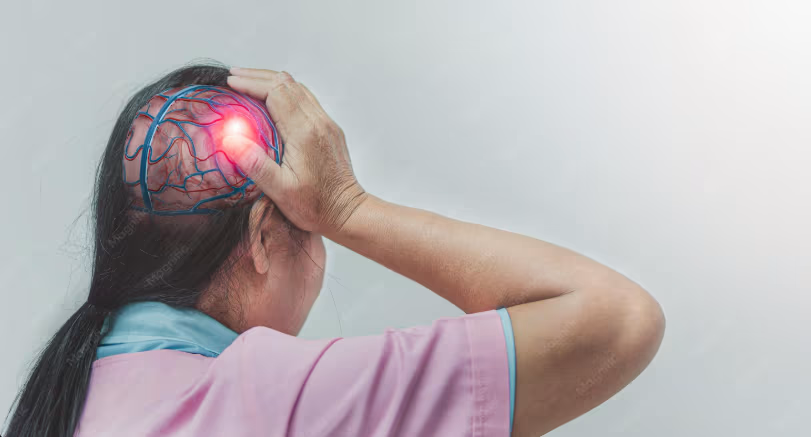
A stroke happens when part of the brain is suddenly deprived of oxygen. This usually occurs because a blood vessel becomes blocked or bursts, preventing brain cells from receiving the oxygen and nutrients they need to survive.
Without oxygen, brain cells begin to die within minutes. Unlike many other parts of the body, the brain cannot easily replace damaged cells, which is why rapid treatment is so important.
There are two main types of stroke:
Around 85% of strokes are ischaemic strokes. These occur when a blood clot blocks one of the arteries supplying the brain.
The blockage may develop within the artery itself or travel from another part of the body, most commonly the heart.
A haemorrhagic stroke occurs when a blood vessel in the brain ruptures, causing bleeding into surrounding brain tissue.
Although less common, haemorrhagic strokes are often more severe and require different emergency treatment.
Many people imagine a stroke as a sudden event that affects the whole brain. In reality, the damage usually begins in one specific area.
When blood flow stops:
The symptoms someone experiences depend entirely on which part of the brain is affected.
For example:
This explains why no two strokes look the same.
One of the most searched questions online is whether the body gives warning signs before a stroke.
The answer is sometimes.
Some people experience symptoms hours or even days beforehand, while others have no warning at all.
Possible early warning signs include:
These symptoms should never be ignored, even if they disappear after a few minutes.
Temporary symptoms may represent a Transient Ischaemic Attack (TIA), sometimes called a "mini stroke". Although symptoms improve, a TIA is often a warning that a full stroke could follow.
The easiest way to recognise a stroke is to remember the word FAST.
Ask the person to smile.
Has one side of their face dropped?
Can they raise both arms?
Does one arm drift downwards?
Is their speech slurred?
Can they repeat a simple sentence correctly?
If you notice any of these signs, call 999 immediately.
Do not wait to see whether symptoms improve.
Prompt treatment may reduce permanent brain damage.
Not every stroke follows the FAST pattern.
Some patients develop less obvious symptoms, including:
Because these symptoms are less well known, they can easily be mistaken for exhaustion, migraine or an inner ear problem.
If symptoms develop suddenly, particularly in someone with stroke risk factors, urgent medical assessment is essential.
The classic stroke symptoms affect both men and women, but women are slightly more likely to experience additional symptoms that can delay diagnosis.
These may include:
Because these symptoms are less specific, women sometimes present later than men, reducing the opportunity for early treatment.
This makes it even more important not to dismiss sudden neurological symptoms, especially when they occur alongside facial weakness, speech changes or loss of coordination.
Although anyone can have a stroke, certain health conditions and lifestyle factors increase the risk. Understanding these risk factors is one of the most effective ways to help prevent a stroke before it happens.
Some risk factors cannot be changed, such as age or family history, but many are treatable or preventable.
Some people assume strokes only affect older adults, but younger adults can also experience a stroke, particularly if they have uncontrolled blood pressure, certain heart conditions, inherited clotting disorders or lifestyle risk factors.
Yes. Around one in five strokes are believed to occur during sleep.
Someone may go to bed feeling well but wake with weakness, slurred speech or difficulty walking. Because the exact time the stroke began is unknown, treatment options may sometimes be more limited.
If you wake with any symptoms that could indicate a stroke, call 999 immediately. Never assume that sleeping longer will improve the situation.
Feeling tired on its own is not usually a warning sign of a stroke. However, sudden overwhelming drowsiness or difficulty staying awake—especially when accompanied by weakness, confusion, speech problems or facial drooping—may indicate that the brain has been affected.
Similarly, fatigue before a stroke is not considered a reliable predictor. Many conditions, including infections, stress and poor sleep, can cause tiredness.
The key point is whether fatigue occurs suddenly alongside neurological symptoms. If it does, treat it as a medical emergency.
A Transient Ischaemic Attack (TIA) is sometimes called a "mini stroke", but the term can be misleading. A TIA is just as important as a stroke because it may be an early warning that a larger stroke is about to occur.
When someone arrives at hospital with suspected stroke symptoms, doctors work quickly to determine the type of stroke and begin treatment as soon as possible.
Investigations may include:
The brain scan is particularly important because treatment differs depending on whether a blood clot or bleeding causes the stroke.
Treatment depends on the type of stroke.
If caused by a blood clot, treatment may include:
Treatment focuses on:
Early treatment can significantly improve recovery, which is why calling 999 immediately is so important.
Many strokes can be prevented by addressing modifiable risk factors.
Simple lifestyle changes can make a meaningful difference:
If you have previously experienced a TIA, it is particularly important to follow your treatment plan to reduce the likelihood of another stroke.
The most common early signs include facial drooping, arm weakness, slurred speech, sudden confusion, vision changes and loss of balance.
Yes. Temporary symptoms may indicate a transient ischaemic attack (TIA), which should always be treated as an emergency.
Sleepiness alone is not usually a stroke symptom. However, sudden drowsiness alongside neurological symptoms requires urgent medical attention.
Yes. Although risk increases with age and certain medical conditions, strokes can occur in younger and otherwise healthy adults.
Most strokes are not painful. However, a sudden severe headache can occur with some haemorrhagic strokes.
Call 999 immediately. Do not wait for symptoms to improve or attempt to drive the person to hospital yourself.
Yes, in some cases. Brain injury from a stroke can lead to vascular dementia — read more in our guide to Alzheimer's vs dementia or book a memory assessment if you have concerns.
Many strokes are preventable by controlling blood pressure, stopping smoking, managing diabetes and cholesterol, maintaining a healthy weight and staying physically active.
A stroke causes lasting brain injury, whereas a TIA causes temporary symptoms without permanent brain damage. Both require urgent medical assessment.
If you're concerned about your stroke risk factors, our private GP team can arrange a full cardiovascular health check. Book an appointment today.
Same Day Online Booking
No Time Limits Appointments
Online Consultations Available
Latest Blog Posts

Concussion: Symptoms, Causes and Treatment
What Does RDW Mean in a Blood Test? Causes of High and Low RDW Explained

Horsefly Bite: Symptoms, Risks and Treatment
Flea Bites: What They Look Like, Symptoms & Treatment
Struggling with Brain Fog? Here's How to Fix It

Gonorrhoea Explained: Symptoms in Men and Women, and How It's Treated
Ready to take the next step?
Before you go
STRUGGLING WITH HAYFEVER THIS SEASON?
Our hayfever treatment is fast, effective often providing relief within 24 hours.
Book Hayfever Treatment →Book a Hayfever Appointment