
Written by Dr. Simon Khela MBChB MRCGP, GMC Registered Doctor
Last reviewed: 03-08-2026
_________________________________________________________________________
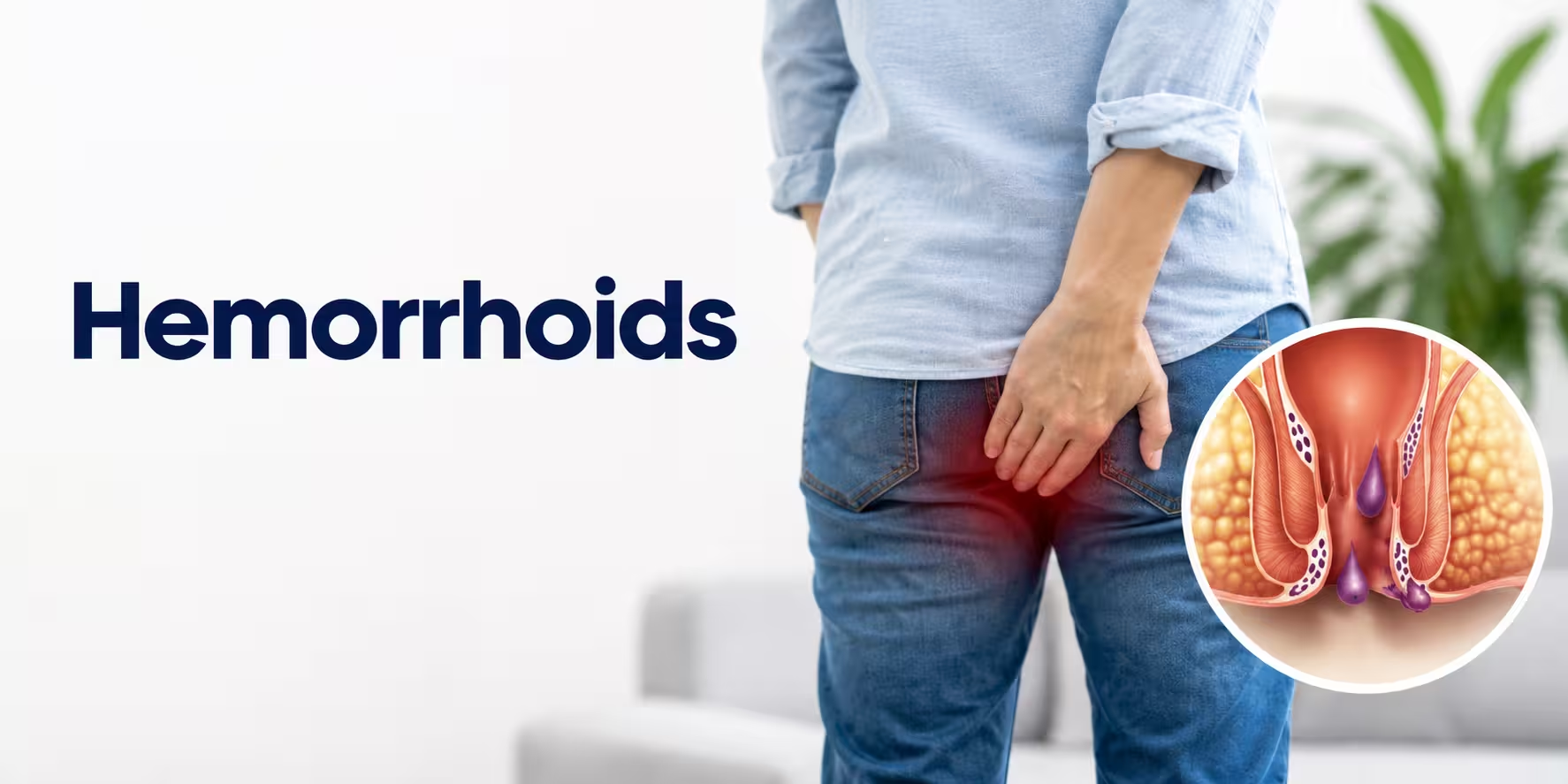
Haemorrhoids, commonly called piles and often searched for as hemorrhoids, are swollen blood vessels and supporting tissue inside or around the anus. They may cause bright red bleeding, itching, mucus, discomfort or a lump. Internal piles are often painless, while external piles can be sore, particularly if a blood clot forms.
Most mild cases improve within a few days with measures that keep stools soft and reduce straining. However, rectal bleeding should not automatically be attributed to piles. A GP may need to confirm the cause, especially if the bleeding is new, persistent, painless or accompanied by a change in bowel habit, weight loss or tiredness.
Haemorrhoids and piles are two names for the same condition.
Common symptoms include bright red blood after a bowel movement, itching, mucus, discomfort and a lump around the anus.
Internal piles form inside the anal canal; external piles develop closer to the anal opening.
Constipation, straining, pregnancy, heavy lifting, ageing and being overweight can increase the likelihood of piles.
Fibre, fluids, shorter toilet visits and avoiding straining are the main first steps.
Persistent, recurrent or severe symptoms may need examination, prescribed treatment or a procedure.
The anal canal contains blood vessels and soft tissue known as anal cushions. These cushions help the anus close properly. When the tissue becomes enlarged or moves downwards, it can produce the symptoms described as haemorrhoids or piles.
Haemorrhoids are common and can affect adults of any age. They do not turn into cancer. The important point is that other conditions can cause similar symptoms, so a new episode of rectal bleeding or an unexplained lump should not be self-diagnosed indefinitely.
External haemorrhoids may appear as small pink, purple or skin-coloured lumps at the anal opening. Their size can vary from a small pea-sized swelling to a larger cluster. A thrombosed external haemorrhoid may look blue or purple and can become suddenly very painful because a clot has formed inside it.
Internal haemorrhoids are usually not visible. If they prolapse, they may appear as soft, moist pink tissue protruding from the anus during or after a bowel movement. Skin tags can remain after an external pile settles, but a skin tag is not the same as an active haemorrhoid.
Internal piles begin inside the anal canal. They are often painless because they form above the area with greater pain sensitivity. Typical signs include bright red bleeding, mucus, a feeling of incomplete emptying or tissue that comes down during a bowel movement.
External piles form beneath the skin near the anal opening. They are more likely to cause tenderness, swelling, itching or pain. Pain that begins suddenly and is accompanied by a firm, discoloured lump may be due to a thrombosed external pile. A clinician can advise whether symptom control or a time-sensitive procedure is appropriate.
Haemorrhoid symptoms vary according to their type and size. You may notice:
Internal haemorrhoids may bleed without causing pain. External piles are more likely to hurt. Severe or rapidly worsening pain is not something to assume is a routine pile, particularly if there is fever, pus or significant swelling.
The exact cause is not always clear. Piles are more likely when pressure repeatedly increases in the blood vessels and supporting tissues of the anal canal. Factors include:
Sitting at a desk or driving does not by itself prove the cause, but long periods of inactivity can contribute to constipation and may make an existing external pile more uncomfortable.
Haemorrhoids affect all sexes, but pregnancy creates additional risk because the growing uterus increases pressure in the pelvis, hormonal changes can slow the bowel, and iron supplements may contribute to constipation. Straining during labour can also trigger or worsen piles.
Pregnancy-related piles often improve after birth. Fibre, fluids, regular movement and avoiding straining can help. Ask a midwife, pharmacist or doctor before using a cream, suppository or laxative during pregnancy because suitability depends on the ingredients and individual circumstances. Rectal bleeding in pregnancy still deserves advice rather than being assumed to be piles.
Symptoms can overlap. Persistent pain, bleeding or a lump should be examined rather than diagnosed from a checklist.
Bright red blood can occur with piles, but bleeding from the bottom has several possible causes. Arrange a GP assessment if it is new, unexplained, recurrent or not improving. Seek prompt advice if you also have:
Call 999 or go to A&E for non-stop bleeding, a large amount of blood or large clots, fainting, or severe pain. Private Medical Clinic does not provide emergency or A&E care.
A GP will ask about the bleeding, pain, bowel habit, medicines and relevant family history. The examination may include looking at the area and a digital rectal examination using a gloved, lubricated finger. It is usually brief. A proctoscope may be used to inspect the lower anal canal.
Further investigation is not required for every person with typical piles, but may be advised when symptoms are unexplained, persistent or accompanied by warning features. This could include blood tests for anaemia, referral to a colorectal specialist or examination of the bowel.
Most mild piles can be managed at home. The aim is to soften the stool, reduce straining and ease irritation while the swelling settles.
A pharmacist can recommend a short course of a cream, ointment or suppository to reduce itching, discomfort or swelling. Products containing local anaesthetic or corticosteroid are intended for limited use because longer use can irritate or thin the skin. A pharmacist or GP can also advise on a fibre supplement or laxative when constipation is contributing. These products relieve symptoms; they do not remove every pile.
If symptoms persist, piles repeatedly bleed or prolapse, or self-care has not helped, a GP may refer you for a procedure. The choice depends on the type and grade of haemorrhoid, symptoms and general health.
Procedures can improve symptoms but cannot guarantee that piles will never return. Keeping stools soft and avoiding straining remain important afterwards.
Mild piles often start to improve within a few days. Irritation or swelling may take one to two weeks to settle, while a thrombosed external pile can remain tender for longer as the clot is gradually reabsorbed. Larger prolapsed haemorrhoids may not disappear without treatment.
Get advice if symptoms are worsening, have not improved after home treatment, keep returning or involve ongoing bleeding. A time estimate cannot replace an examination when the diagnosis is uncertain.
A soft prolapsed internal pile may sometimes be gently pushed back inside, as NHS guidance advises, if this is comfortable and it returns easily. Do not force a painful, firm or permanently prolapsed lump. Severe pain, a dark or blue lump, or tissue that cannot be reduced needs clinical assessment.
Book a GP appointment if symptoms are getting worse, do not improve with home treatment, keep returning, or if you notice a new change around the anus. A medical review is also appropriate for any unexplained rectal bleeding.
Private Medical Clinic offers confidential consultations with GMC-registered doctors. A clinician can assess the symptoms, examine the area when appropriate, advise on treatment and arrange further investigation or referral if needed. Same-day appointments may be available subject to capacity. Visit the private GP service or contact Private Medical Clinic to arrange an appointment.
Yes. Haemorrhoids and piles are different names for swollen anal cushions or blood vessels inside or around the anus. “Hemorrhoids” is the common US spelling.
Many mild piles improve within a few days with fibre, fluids and less straining. Larger, prolapsed or repeatedly bleeding piles may need assessment and treatment.
An external pile may feel like a soft, tender lump at the anal opening. If a clot develops, the lump may become firm, blue or purple and suddenly painful.
Internal piles are often painless, even when they bleed. Pain can occur if a pile prolapses, becomes trapped or is accompanied by another condition.
Yes. Painless bright red bleeding is a common feature of internal piles. However, painless rectal bleeding still needs medical advice because other conditions can cause it.
No. Haemorrhoids do not become cancer. The symptoms can overlap with bowel disease, which is why unexplained or persistent bleeding should be assessed.
There is no guaranteed instant cure. Reducing straining, softening the stool, warm baths, wrapped cold packs and short-term pharmacy treatments can ease symptoms. Persistent piles may require a procedure.
Many local anaesthetic or steroid preparations are intended for short use only. Follow the product instructions and ask a pharmacist or GP if symptoms continue.
Piles themselves do not usually create a smell. Mucus, leakage or difficulty cleaning around prolapsed tissue can contribute to odour. Persistent discharge or a new smell should be assessed.
Fibre-rich foods such as vegetables, fruit, wholegrains, beans and lentils help soften and bulk the stool. Increase fibre gradually and drink enough fluid.
Same Day Online Booking
No Time Limits Appointments
Online Consultations Available
Latest Blog Posts
Adult Asthma Explained: Symptoms, Silent Attacks, Causes, Testing, and Late-Onset Diagnosis
Endometriosis: Symptoms, Causes, Treatment
Rheumatoid Arthritis - Symptoms, Causes, Treatment
Non-Allergic Rhinitis: Symptoms, Triggers, and How It Differs From Hay Fever

Understanding ADHD: Symptoms, Treatments, and the Value of Private GP Services

Defeat Hay Fever: Understanding and Managing Symptoms in the UK
Ready to take the next step?

