

Bowel cancer, often associated with older adults, is now increasingly being diagnosed in younger individuals. Over the past two decades, there has been a sharp rise in cases among people under 50, particularly rectal cancer. While the exact causes are still under investigation, lifestyle factors such as poor diet, sedentary habits, obesity, and rising rates of alcohol consumption and smoking are believed to play a role. Additionally, advancements in screening methods may be contributing to earlier and more frequent detection in younger demographics.
It's critical for younger individuals to recognize potential signs of bowel cancer and act quickly. Symptoms include:
Early detection dramatically improves outcomes. Unfortunately, many younger patients delay seeking medical advice, attributing symptoms to less serious conditions like hemorrhoids or stress-related digestive issues.
The rise in bowel cancer cases among younger people may be linked to changes in diet and lifestyle over the last few decades. Increased consumption of processed foods, low fiber diets, and higher rates of obesity have likely contributed. Genetic predisposition may also be a factor, though research is still uncovering new hereditary links to colorectal cancer. Some experts have also pointed to environmental factors and disruptions to gut microbiota as potential contributors.
For younger individuals with symptoms or a family history of bowel cancer, consulting a doctor is crucial. Screening methods, like colonoscopies, help detect precancerous polyps and early-stage cancers, potentially saving lives. If you experience rectal bleeding, persistent bowel changes, or any unexplained gastrointestinal issues, don't ignore them.
By staying informed about symptoms and taking preventive measures, including a healthy diet and regular exercise, young people can reduce their risk of bowel cancer.
Click here to book your appointment with one of our specialist Doctors.
Same Day Online Booking
No Time Limits Appointments
Online Consultations Available
Latest Blog Posts

Constantly Getting Colds? Here's What I Tell My Patients

Cortisol: Symptoms, Causes & How to Lower It
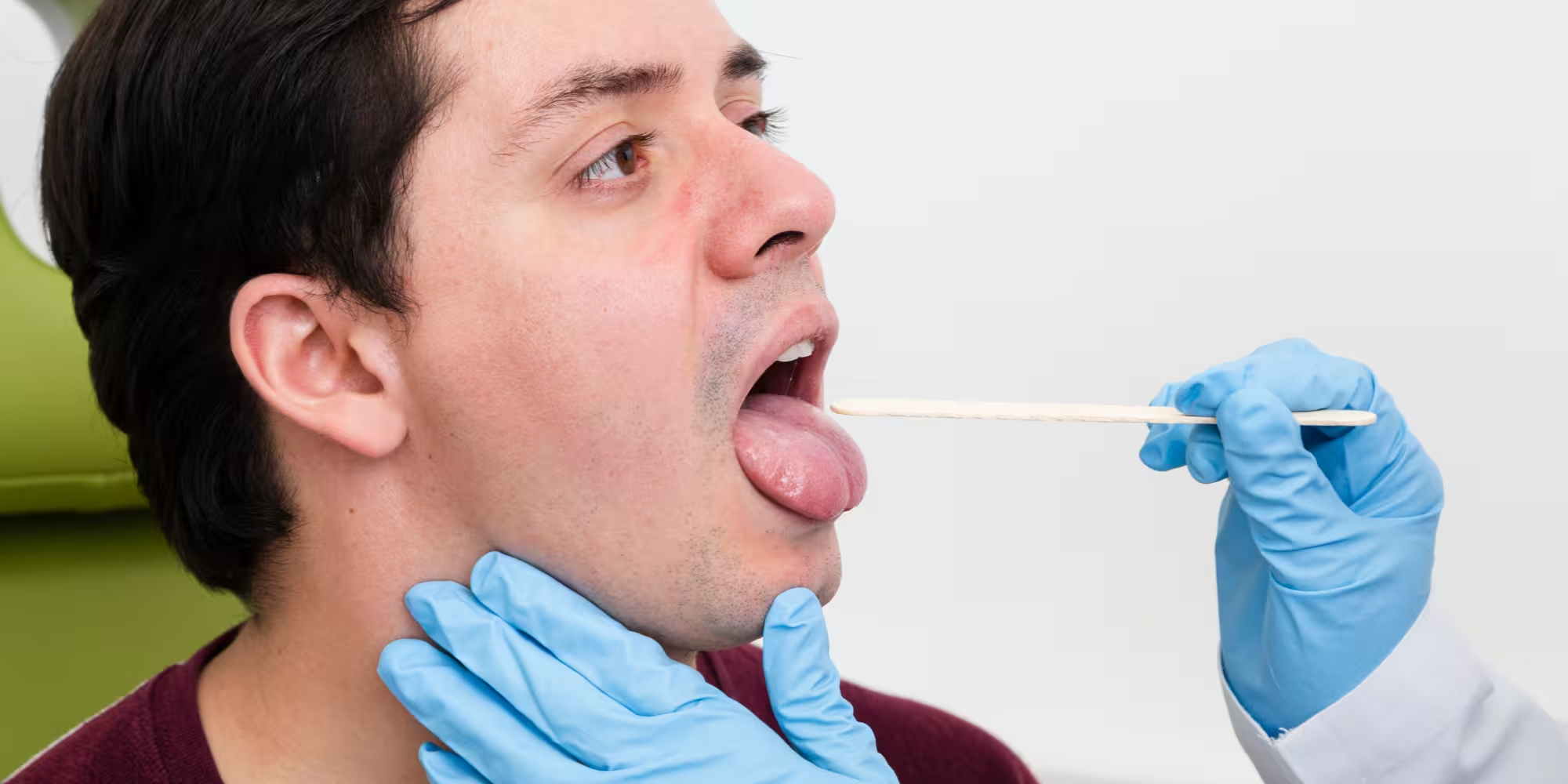
Tonsil Stones: Symptoms, Causes, Removal & Treatment

What Really Happens During a Stroke and How to Spot One Fast

Concussion: Symptoms, Causes and Treatment

What Does RDW Mean in a Blood Test? Causes of High and Low RDW Explained
Ready to take the next step?
Before you go
STRUGGLING WITH HAYFEVER THIS SEASON?
Our hayfever treatment is fast, effective often providing relief within 24 hours.
Book Hayfever Treatment →Book a Hayfever Appointment