
Written by Dr. Simon Khela MBChB MRCGP, GMC Registered Doctor
_________________________________________________________________________
A patient once came to see me convinced she'd coughed up something seriously wrong, a small, hard, foul-smelling white lump that had come up while she was brushing her teeth. It was a tonsil stone, and once I explained what it actually was, the relief on her face was obvious. This is one of those topics patients rarely bring up until something alarms them, even though tonsil stones themselves are almost always harmless.
This guide explains what tonsil stones actually are, what causes them, why they're strongly linked to bad breath, and the realistic, safe options for removing and preventing them, including being honest about what the NHS will and won't offer for this specific problem.
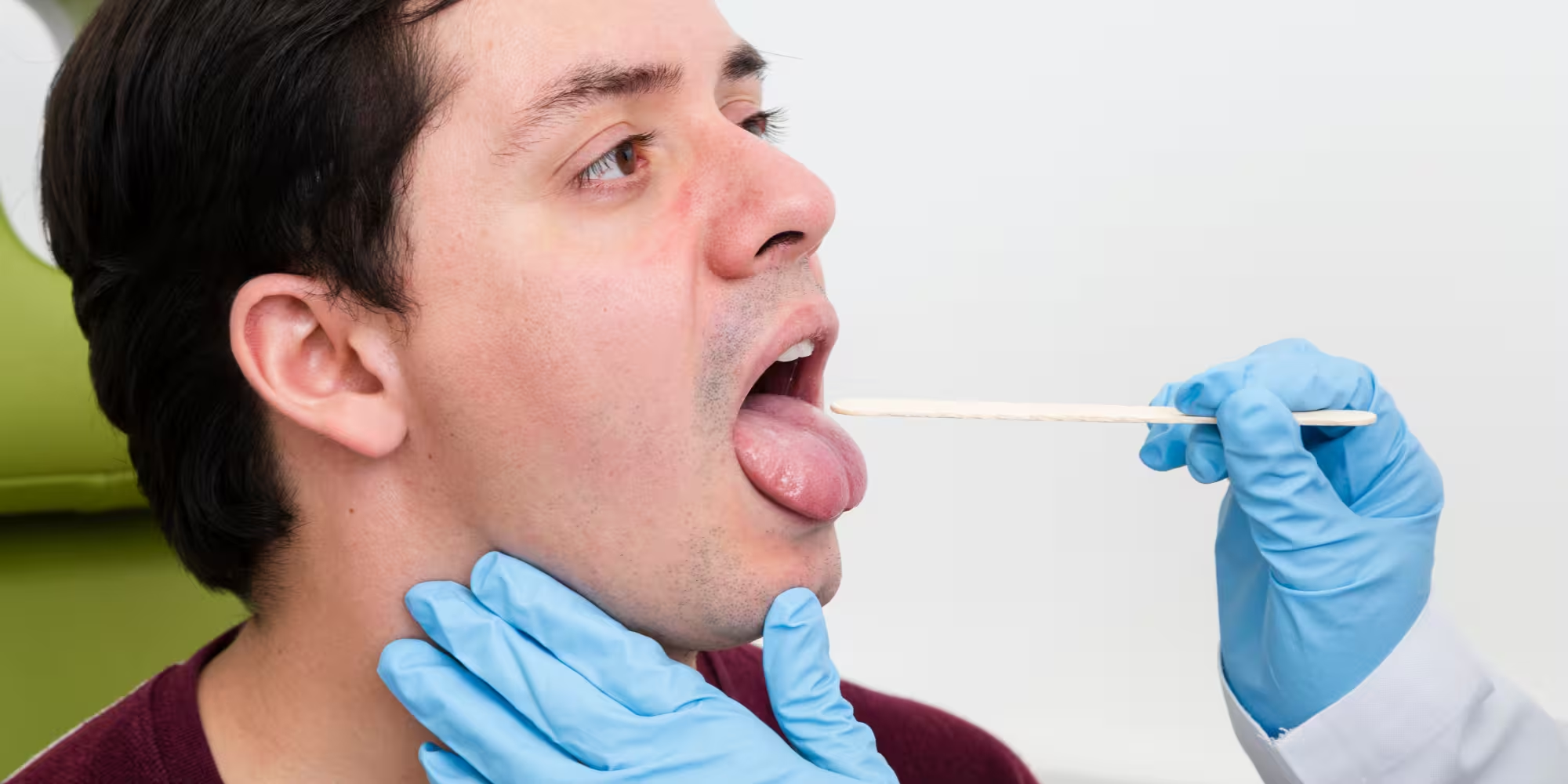
Tonsil stones, or tonsilloliths, are small, hard, whitish or yellowish lumps that form when debris, dead cells, mucus, food particles and bacteria become trapped in the natural pits (crypts) of the tonsils and gradually harden. They're common, usually painless, and often only noticed because of bad breath or a mild, nagging sensation at the back of the throat. Tonsil stones aren't a sign of infection or anything serious, and most can be managed at home with simple measures such as gentle removal and improved oral hygiene, without needing to see a doctor.
Everyone's tonsils have small pits and folds called crypts. Tonsil stones form when material gets caught in these crypts and, over time, calcifies into a firm deposit. Several factors make this more likely:
A question I am frequently asked is whether tonsil stones mean there's an infection present. Generally not, tonsil stones aren't typically associated with acute bacterial tonsillitis, though the two can certainly occur in the same person, particularly if you have a history of recurrent tonsillitis.
Many patients are surprised to learn that tonsil stones often cause no symptoms at all, and are just as often discovered by chance, on a dental check-up, or occasionally on a scan done for something else entirely. When symptoms do occur, they can include:
Bad breath is by far the symptom most closely linked to tonsil stones, and one study found a striking pattern: among people with bad breath and a history of recurrent tonsillitis, the large majority had tonsil stones present, compared to only a small minority of people with normal breath. This happens because the bacteria trapped within the stones produce sulphur compounds, which have a distinctly unpleasant smell. If bad breath persists despite good oral hygiene, it's worth reading more about the other common causes of bad breath, since tonsil stones are only one of several possible explanations.
Most tonsil stones can be managed at home without any need for medical treatment:
Gargling vigorously with salt water or mouthwash is often enough to dislodge smaller, looser stones on its own. For stones that don't shift with gargling alone, gentle pressure with a clean cotton swab around the base of the stone, or a low-pressure water flosser aimed carefully at the area, can help ease them out without needing to dig at the tonsil itself.
A few sensible precautions make a real difference to how safely this can be done at home:
One of the most common concerns I see in practice is a patient who's caused a small tonsil injury or bleed trying to remove a stubborn stone themselves. If gentle methods aren't working, it's genuinely better to leave it alone and seek advice than to keep trying more forcefully.
For stones that are large, persistently uncomfortable, or keep recurring despite good self-care, a referral to a specialist, an ENT (ear, nose and throat) surgeon, can allow removal under local anaesthetic in an outpatient setting. It's worth knowing that NHS policy in most areas does not support tonsillectomy (removal of the tonsils) for tonsil stones alone, since the risks of the operation outweigh the relatively minor problem tonsil stones cause. Tonsillectomy remains an option for other reasons, such as recurrent tonsillitis, but not typically for tonsil stones in isolation.
Most people never need to go beyond the first three options on this list; the later options exist for a small minority with genuinely persistent, troublesome symptoms.
Yes, and this is one of the most common frustrations I hear about. Because the crypts in your tonsils don't disappear once a stone has been removed, new debris can collect in exactly the same spots, and stones often recur over weeks or months. This isn't a sign that anything's been done wrong; it's simply how the anatomy works.
A few habits genuinely reduce how often stones form, even if they don't eliminate the crypts themselves:
Many patients are surprised to learn that recurrence is genuinely common even with excellent oral hygiene, simply because of how their individual tonsils are shaped. For a small number of people with very frequent, troublesome recurrence, this is when procedures such as cryptolysis become worth discussing with an ENT specialist.
Not every lump or white patch at the back of the throat is a tonsil stone, and it's worth knowing broadly what else can look similar:
One of the most common concerns I see in practice is a patient worried that a persistent lump might be something more serious. Tonsil stones are almost always small, painless, and come and go, a lump that's growing, only on one side, or accompanied by other symptoms such as weight loss or voice changes deserves a proper look rather than being assumed to be a tonsil stone.
Tonsil stones can happen in children too, particularly those with larger tonsils or a history of recurrent tonsillitis, though they're generally less commonly reported than in adults. A few points are worth bearing in mind:
As with adults, tonsil stones in children are generally harmless, and the same red flags- one-sided swelling, real difficulty swallowing, or looking significantly unwell- are the things that warrant prompt assessment rather than the stones themselves.
It's worth seeing a GP if:
A private GP appointment allows these to be examined properly, and for simple reassurance or a quick check on how things look, an online GP consultation can often answer the question without needing to come in.
Tonsil stones, or tonsilloliths, are small, hard, whitish or yellowish deposits that form when debris becomes trapped in the natural pits of the tonsils and gradually hardens.
They form when dead cells, mucus, food particles, and bacteria collect in the crypts of the tonsils. Larger or more craggy tonsils, a history of tonsillitis, and a dry mouth all make this more likely.
Gargling with salt water or mouthwash, maintaining good oral hygiene, and staying hydrated help most tonsil stones clear or become less frequent without any medical treatment.
Use gentle methods such as a cotton swab or a low-pressure water flosser after gargling to loosen the stone. Avoid sharp objects or fingernails, which risk injury and bleeding.
Vigorous gargling with salt water or mouthwash often dislodges smaller stones. For stones that don't shift, gentle pressure around the base with a cotton swab can help ease them out.
Yes, bad breath is the symptom most strongly linked to tonsil stones, caused by sulphur-producing bacteria trapped within the stone.
Not usually. Tonsil stones aren't typically linked to active bacterial infection, though they can occur in people with a history of recurrent tonsillitis.
Usually not. Most NHS areas don't offer tonsillectomy for tonsil stones alone, since the risks of surgery outweigh the relatively minor problems they cause.
No, tonsil stones are benign and aren't linked to cancer or serious illness, even though they can be uncomfortable or embarrassing.
See a GP if you have a sore throat lasting more than a few weeks, recurrent tonsillitis, one-sided swelling, difficulty swallowing, or unexplained weight loss.
Same Day Online Booking
No Time Limits Appointments
Online Consultations Available
Latest Blog Posts

Cortisol: Symptoms, Causes & How to Lower It

What Really Happens During a Stroke and How to Spot One Fast

Concussion: Symptoms, Causes and Treatment

What Does RDW Mean in a Blood Test? Causes of High and Low RDW Explained

Horsefly Bite: Symptoms, Risks and Treatment
Flea Bites: What They Look Like, Symptoms & Treatment
Ready to take the next step?
Before you go
STRUGGLING WITH HAYFEVER THIS SEASON?
Our hayfever treatment is fast, effective often providing relief within 24 hours.
Book Hayfever Treatment →Book a Hayfever Appointment