A British man diagnosed with breast cancer at just 44 says one instinctive decision “saved his life”, as health experts warn men across the UK not to overlook changes in their chest or breast tissue.
Phil Alderson discovered a small lump behind his nipple and booked a GP appointment the very next morning. Although male breast cancer is rare, accounting for less than 1% of all cases, doctors say that delayed diagnosis is common because men often dismiss early symptoms.
Alderson described hearing the word “cancer” associated with his name as a moment that “tilted the world on its axis”. Despite receiving fast clinical care — from imaging to biopsy — he says the emotional uncertainty was the hardest part to cope with.
He recalled the two-week wait for biopsy results as “living in a fog”, adding that even simple conversations felt heavy.
“People didn’t know what to say,” he said. “Some said things that made me feel worse without realising it.”
The night before his results, overwhelmed by anxiety, he took a walk to clear his mind. Eventually, he reached out to Samaritans, describing the conversation as “grounding” and essential for his mental wellbeing.
“It didn’t change the diagnosis — but it changed how I faced it,” he said.
Doctors warn that many men don’t realise they can develop breast cancer, leading them to ignore symptoms for too long.
Even small or painless lumps should always be checked.
Health specialists emphasise that men have a smaller amount of breast tissue, meaning cancer can spread more quickly than it does in women. Early diagnosis greatly increases the chances of successful treatment.
Alderson’s decision to seek medical help immediately played a key role in his outcome.
“Finding the lump and seeing a doctor the next day made all the difference,” he said.
Experts say men who act quickly typically face less invasive treatment and have far higher survival rates.
Alderson says the medical process moved efficiently, but the emotional challenges were immense.
“One of the most important moments was when my GP simply asked, ‘How are you coping?’” he said. “It made me feel seen.”
Many patients say emotional support is often overshadowed by clinical care, despite being an essential part of coping with diagnosis, treatment and recovery.
Doctors recommend men seek immediate medical advice if they notice any changes. GPs can quickly arrange:
Private Medical Clinic offers rapid access to these investigations through private pathways, significantly reducing waiting times.
To encourage earlier detection, Private Medical Clinic provides:
“Men often delay seeking help because they feel embarrassed or assume it’s nothing,” the clinic said. “If something doesn’t feel right, get checked. Early action could save your life.”
Alderson says he hopes his experience encourages more men to take changes seriously.
“Finding that lump and seeing a GP straight away made all the difference,” he said. “If you notice something unusual, don’t wait. Just get it checked.”
Men often dismiss chest changes, making early detection critical. According to NHS male breast cancer guidance, watch for lumps behind the nipple, nipple inversion, discharge, bleeding, skin dimpling, or persistent discomfort. Phil Alderson's story demonstrates how quickly a small lump can signal serious illness—he spotted his at age 44. Most men don't realize they can develop breast cancer, so any unexplained chest changes warrant immediate GP review. Acting fast, as Alderson did by booking an appointment the next morning, dramatically improves outcomes. Get rapid cancer screening without NHS waits.
Men account for less than 1% of breast cancer cases, creating a blindspot in awareness. Per Cancer Research UK statistics, delayed diagnosis in men is common because they don't associate chest lumps with cancer and often feel embarrassed seeking help. Social stigma and lack of public education mean men are less likely to recognize warning signs. Phil Alderson's rapid response—seeing a doctor the next day—saved his life by catching the cancer early. Doctors emphasize that any persistent chest change, however small or painless, deserves investigation. Same-day GP appointments ensure you don't wait weeks for assessment.
Stigma, low awareness, and the misconception that breast cancer only affects women leads many men to dismiss symptoms. This survivor's story highlights how one quick GP appointment saved his life — acting fast, not waiting, is the single most important thing any man can do when something feels wrong.
Diagnosis typically involves physical examination, ultrasound, mammogram, and biopsy. Treatment mirrors female breast cancer — surgery, radiotherapy, chemotherapy, or hormone therapy depending on the stage. Private cancer screening offers fast access to diagnostics without NHS waiting times.
Alderson described the two-week wait for biopsy results as "living in a fog," highlighting cancer's psychological toll. According to Samaritans mental health guidance, emotional support is as vital as clinical care but often overlooked. Alderson's conversation with Samaritans helped him "face the diagnosis" despite not changing the outcome. Men are less likely to discuss cancer fears openly, yet processing anxiety improves coping and treatment adherence. GPs asking "How are you coping?" makes patients feel seen and supported. Private mental health assessments offer confidential emotional support alongside cancer care.
Same Day Online Booking
No Time Limits Appointments
Online Consultations Available
Latest Blog Posts

Vitamin D Deficiency: Symptoms, Causes, Treatment

How to See a Private GP Today: Fast, Flexible Options Explained
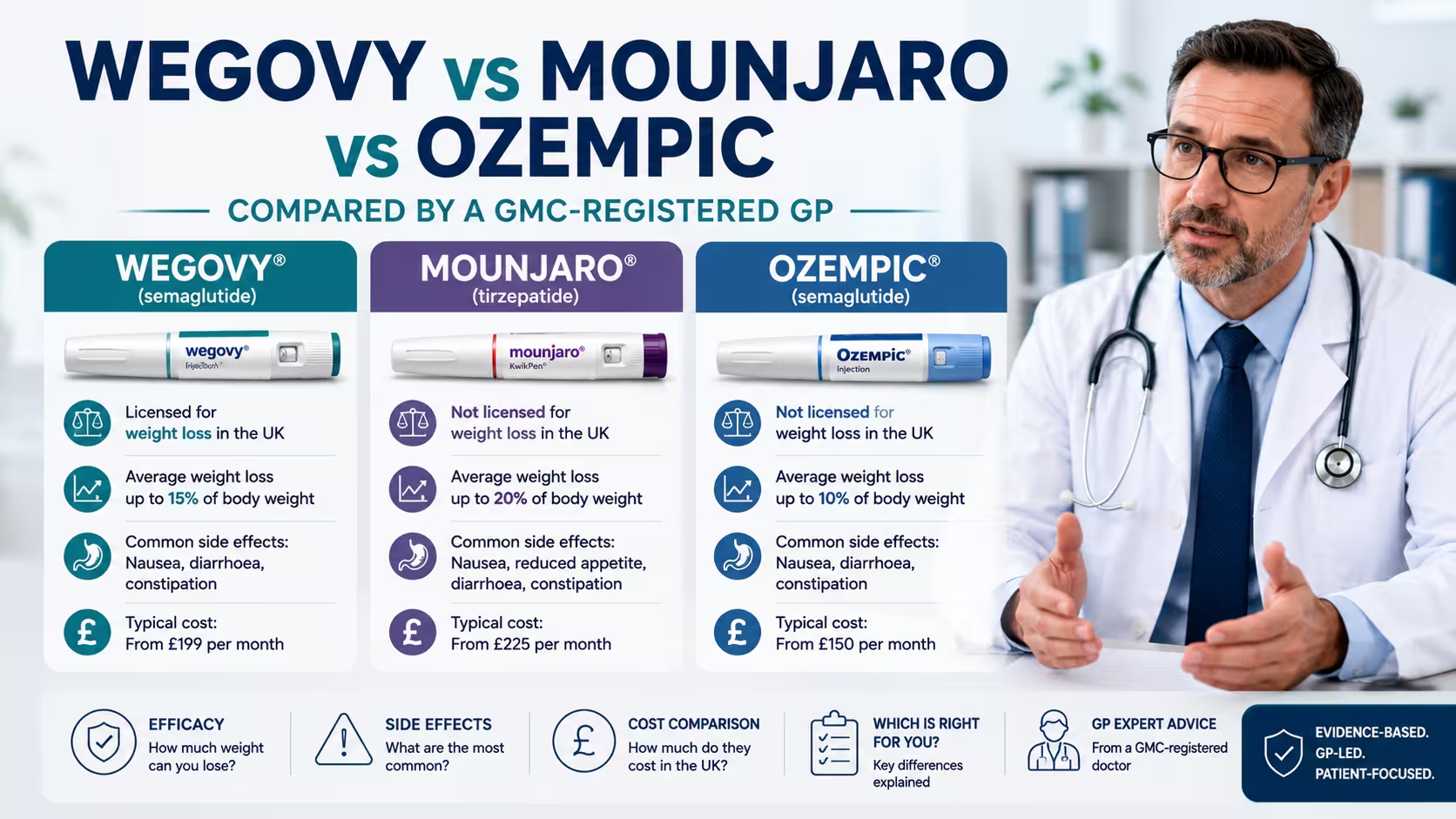
Wegovy vs Mounjaro vs Ozempic: Compared by a GMC-Registered GP

What Causes High LDL Cholesterol?

How to Access a Private GP for Your Family to Get Fast Consultant Referrals and Diagnostic Tests
Ready to take the next step?
Before you go
STRUGGLING WITH HAYFEVER THIS SEASON?
Our hayfever treatment is fast, effective often providing relief within 24 hours.
Book Hayfever Treatment →Book a Hayfever Appointment