
Written by Dr. Simon Khela MBChB MRCGP, GMC Registered Doctor
Last reviewed: 05-08-2026
_________________________________________________________________________
One of the most common ways sleep apnoea comes to light in my clinic isn’t through the patient at all; it’s through their partner. “He stops breathing in the night, and it terrifies me” is a sentence I hear often, usually from someone sitting next to a patient who insists they feel perfectly fine. That gap between what a partner notices and what the person experiences is one of the most distinctive features of this condition.
This guide explains what sleep apnea is, what causes it, the symptoms to watch for (including those only a bed partner tends to notice), how serious it can become if left untreated, and the realistic treatment options available today.
Sleep apnea (sleep apnoea) is a condition where your breathing repeatedly stops and starts while you sleep, usually because your airway narrows or collapses. The most common form is obstructive sleep apnoea (OSA). It causes loud snoring, gasping or choking noises, and disrupted sleep at night, along with tiredness, poor concentration and headaches during the day. Left untreated, it can increase the risk of high blood pressure, heart problems and accidents caused by daytime sleepiness. It’s usually diagnosed with an overnight sleep study and treated with lifestyle changes and, for many people, a CPAP machine.
Sleep apnea happens when your airway becomes too narrow while you sleep, interrupting normal breathing. Several factors make this more likely:
A question I am frequently asked is why weight matters so much. Extra fat around the neck and throat physically narrows the airway, and it's the single most modifiable risk factor for most people diagnosed with OSA, though it's genuinely not the only one, and people at a healthy weight can and do develop sleep apnea too.
Symptoms mostly happen overnight, which is exactly why they're so often missed by the person experiencing them. At night, symptoms can include:
During the day, common symptoms include:
Many patients are surprised to learn that it's often a partner, rather than the patient, who first notices the breathing pauses or gasping. If someone close to you has mentioned these signs, it's worth taking seriously even if you feel your sleep is fine, bringing them along to a GP appointment to describe what they've seen can genuinely speed up getting a clear answer.
This is a question I get asked directly, often by a worried partner rather than the patient. The honest answer is that sleep apnea itself isn't usually what proves fatal, but left untreated, particularly when severe, it meaningfully raises the risk of several serious conditions:
One of the most common concerns I see in practice is a patient who's more worried about the tiredness than what it might be doing to their heart and blood pressure over years of being undiagnosed. Understanding why blood pressure matters helps explain why treatment isn't just about feeling less exhausted; it measurably reduces these risks too. Some of these risks overlap with the less obvious warning signs of a heart attack, which is one of several reasons untreated, severe sleep apnea shouldn't be left unaddressed simply because it feels manageable day to day.
If a GP suspects sleep apnea, they'll usually arrange a referral to a specialist sleep clinic for testing. This typically involves wearing a small monitoring device overnight, usually at home, which checks your breathing and heart rate while you sleep.
Results are scored using the AHI (apnoea–hypopnoea index), which measures how often your breathing is disrupted each hour:
This score, alongside your symptoms, helps guide which treatment is likely to help most, mild cases are sometimes managed with lifestyle changes alone, while moderate to severe cases usually need a more active treatment such as CPAP.
For patients where weight is a significant contributing factor, structured support through a weight management clinic can make a meaningful difference to symptoms, sometimes alongside weight-loss injections where lifestyle change alone hasn't been enough.
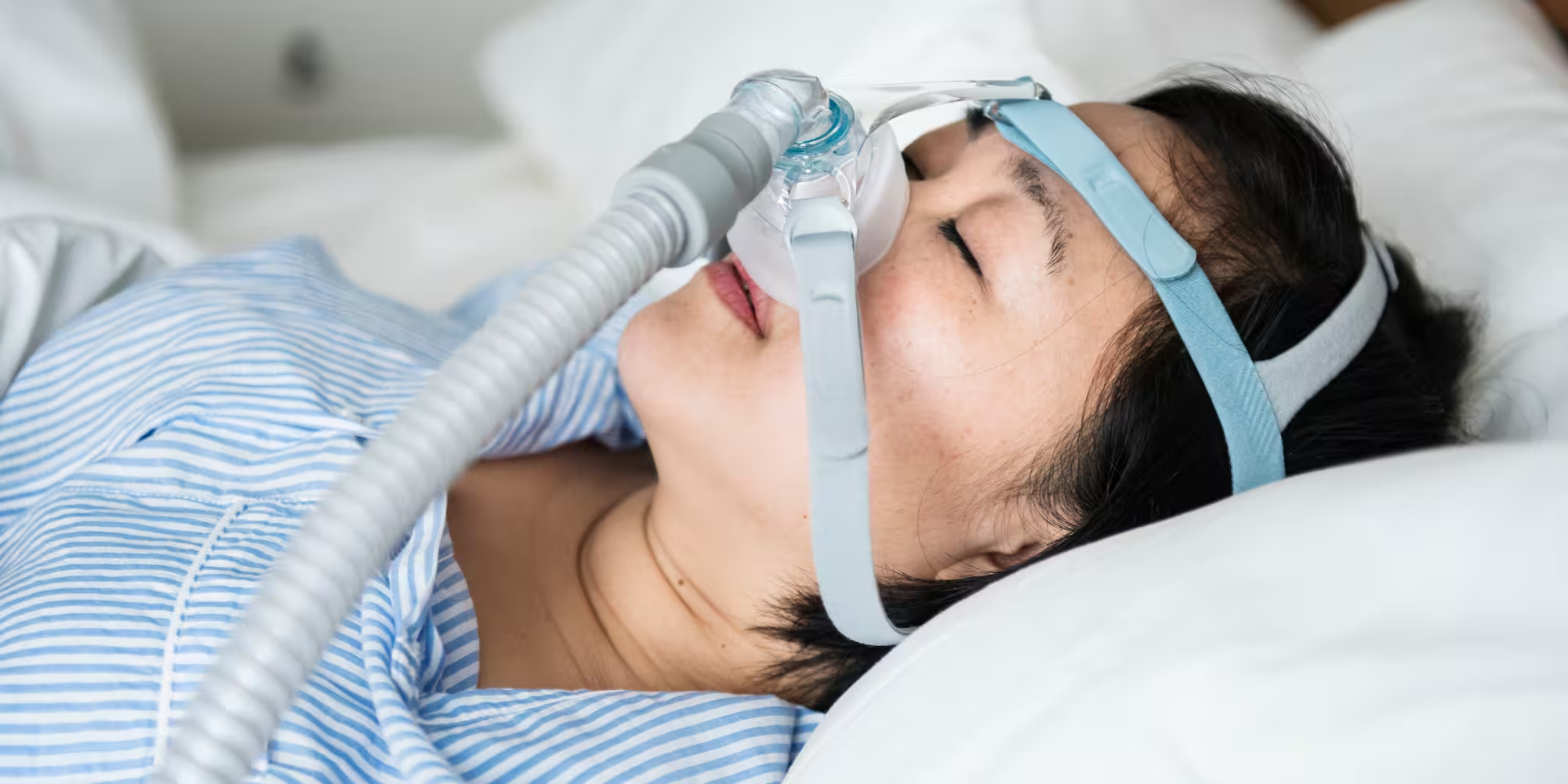
For moderate to severe sleep apnea, or where lifestyle changes aren't sufficient, several devices can help:
CPAP can feel strange at first, and it's genuinely common for people to need some persistence before it feels comfortable. It works best when used every night, and most people notice their energy and concentration improve within a few weeks of consistent use.
Most people start with lifestyle changes and, if needed, CPAP, the other options tend to be considered when these haven't been enough on their own.
Honestly, for most people, sleep apnea is managed rather than cured. Treatments like CPAP work extremely well while you use them, but symptoms typically return within days if treatment stops, it's control, not a permanent fix.
That said, some people do see a genuine, lasting improvement, particularly where significant weight loss is achieved or an anatomical cause, such as large tonsils, is surgically corrected. For most, though, the realistic goal is long-term, consistent management rather than a one-off cure, and that's not a disappointing outcome, well-managed sleep apnea very effectively reduces the associated health risks.
This comes up regularly, usually in the context of work. Under the Equality Act 2010, a disability is defined as a physical or mental impairment with a substantial, long-term (12 months or more) adverse effect on your ability to carry out normal day-to-day activities. Sleep apnea isn't automatically classed as a disability just because you have the diagnosis, it depends on how significantly it affects you. Severe, poorly controlled sleep apnea causing persistent, significant fatigue is more likely to meet this threshold than mild, well-controlled symptoms.
There's a separate, very practical point worth knowing regardless of the disability question: the DVLA's rules on driving with sleep apnea require you to tell them if you have excessive sleepiness linked to confirmed sleep apnea, and you must stop driving until your symptoms are properly controlled. This isn't optional, and I'd always rather have that conversation directly with a patient than have them find out the hard way.
If you're unsure whether your own situation meets the legal definition of disability, that's a genuinely individual question best discussed with your employer's HR team, ACAS, or a solicitor, rather than something a GP guide like this one can answer definitively for your specific circumstances.
Sleep apnea can be difficult for your partner too, not just for you, disrupted sleep, worry about the breathing pauses, and the strain of persuading a reluctant partner to get checked are all things I hear about regularly.
It's also worth saying plainly that low mood and mood changes are a recognised part of untreated sleep apnea, not a separate, unrelated issue. Where this is affecting you, a confidential mental health assessment alongside treatment for the sleep apnea itself can make a real difference, rather than treating the two as entirely separate problems.
It's worth seeing a GP if:
If someone has witnessed your symptoms, bringing them to a private GP appointment to describe what they've seen can be genuinely useful, since it's often easier for someone else to describe than for you to notice in yourself.
Sleep apnea is a condition where your breathing repeatedly stops and starts while you sleep, usually because your airway narrows or collapses. The most common type is obstructive sleep apnoea (OSA).
Sleep apnea happens when the airway becomes too narrow during sleep. Risk factors include obesity, a large neck, ageing, family history, alcohol, smoking, large tonsils or adenoids, sleeping on your back, and COPD.
Sleep apnea itself isn't usually directly fatal, but untreated, especially when severe, it raises the risk of serious conditions including high blood pressure, stroke, heart disease and accidents caused by daytime tiredness.
It can be, under the Equality Act 2010, if it has a substantial, long-term (12 months or more) effect on your ability to carry out normal daily activities. This depends on severity and impact, not the diagnosis alone.
For most people, sleep apnea is managed rather than cured. CPAP and other treatments control symptoms very effectively, though symptoms usually return if treatment stops. Significant weight loss can sometimes lead to lasting improvement.
Night-time symptoms include breathing that stops and starts, gasping or choking noises, and loud snoring. Daytime symptoms include tiredness, poor concentration, mood changes and morning headaches.
Diagnosis usually involves a referral to a sleep clinic for an overnight test measuring your breathing and heart rate. Results are scored using the AHI (apnoea–hypopnoea index) to grade severity as mild, moderate or severe.
Yes, if you have excessive sleepiness linked to confirmed sleep apnea, you're required to tell the DVLA, and you must not drive until your symptoms are properly controlled.
No. Snoring alone doesn't mean you have sleep apnea, and not everyone with sleep apnea snores loudly. Sleep apnea specifically involves repeated pauses in breathing, not just noisy breathing.
Yes, for many people. Excess weight around the neck and throat is a major contributing factor, and losing weight can meaningfully reduce symptoms, though it doesn't help everyone equally, particularly where other causes are involved.
Same Day Online Booking
No Time Limits Appointments
Online Consultations Available
Latest Blog Posts
Adult Asthma Explained: Symptoms, Silent Attacks, Causes, Testing, and Late-Onset Diagnosis
Endometriosis: Symptoms, Causes, Treatment
Rheumatoid Arthritis - Symptoms, Causes, Treatment
Non-Allergic Rhinitis: Symptoms, Triggers, and How It Differs From Hay Fever

Understanding ADHD: Symptoms, Treatments, and the Value of Private GP Services

Defeat Hay Fever: Understanding and Managing Symptoms in the UK
Ready to take the next step?

