
Written by Dr. Simon Khela MBChB MRCGP, GMC Registered Doctor
Last reviewed: 16-07-2026
_________________________________________________________________________
Rarely has a category of medication generated as many patient questions in as short a time as this one. Barely a week goes by in clinic without someone asking me, often slightly apologetically, to explain the difference between Wegovy, Mounjaro and Ozempic. Many arrive having already decided which one they want, usually based on something they saw online or heard from a friend, only to be surprised when I explain that one of those three names isn't actually licensed for weight loss in the UK at all.
That confusion isn't the patient's fault. These medications have been discussed so widely, and often so loosely, in the media and on social platforms that the practical details- what they're licensed for, how they're taken, what they cost, and what the side effects actually look like in practice- have got lost somewhere along the way. This article sets out to correct that, clearly and honestly, from a clinical perspective rather than a marketing one.
Wegovy and Ozempic both contain the same active ingredient, semaglutide, but they are licensed differently in the UK:
In clinical trials, tirzepatide has generally produced greater average weight loss than semaglutide-based treatments, though individual results vary considerably. All three are given as a weekly injection, not a tablet, despite "Mounjaro tablets" and "Ozempic pills" being common search terms. There is a related oral semaglutide medication, but it's a separate product with a different brand name, explained further down.
All three belong to a class of medicines that mimic naturally occurring gut hormones involved in appetite and blood sugar regulation.
These aren't appetite suppressants in the stimulant sense. They don't create a "high" or override hunger through sheer willpower. They change the underlying signalling between the gut, pancreas and brain, which is why many patients describe the effect as simply "not thinking about food as much" rather than a dramatic change in mood or energy.
| Wegovy | Mounjaro | Ozempic | |
|---|---|---|---|
| Active ingredient | Semaglutide | Tirzepatide | Semaglutide |
| UK licence | Weight management | Type 2 diabetes and weight management | Type 2 diabetes only |
| Weight loss use | Licensed | Licensed | Off-label (unlicensed for this purpose) |
| Form | Weekly injection pen | Weekly injection pen | Weekly injection pen |
| Typical average weight loss in trials | Around 15% of body weight over 68 weeks | Around 15–21% of body weight over 72 weeks (dose-dependent) | Around 6–12% of body weight in trials for people with type 2 diabetes |
| Common side effects | Nausea, diarrhoea, constipation, fatigue | Nausea, diarrhoea, constipation, reduced appetite | Nausea, diarrhoea, constipation, injection site reaction |
| NHS availability | Limited, via specialist weight management services | Being rolled out gradually via NHS weight management pathways | Prescribed for diabetes; not intended for weight loss alone |
Trial results vary by study design and population, and individual outcomes are rarely identical to average figures. These numbers give a general sense of scale, not a personal prediction.
This is one of the most important points made in almost every consultation on this topic, and it's the one that most surprises patients. Ozempic is licensed in the UK exclusively for the treatment of type 2 diabetes. It is not licensed as a weight loss treatment, even though it contains the same ingredient as Wegovy, which is.
Wegovy, by contrast, has been through clinical trials and regulatory approval specifically for weight management, at doses designed for that purpose. This distinction is raised not to alarm anyone who may already be taking Ozempic, but because patients deserve to understand it clearly before choosing between medications, rather than assuming the three names are interchangeable options with the same regulatory standing.
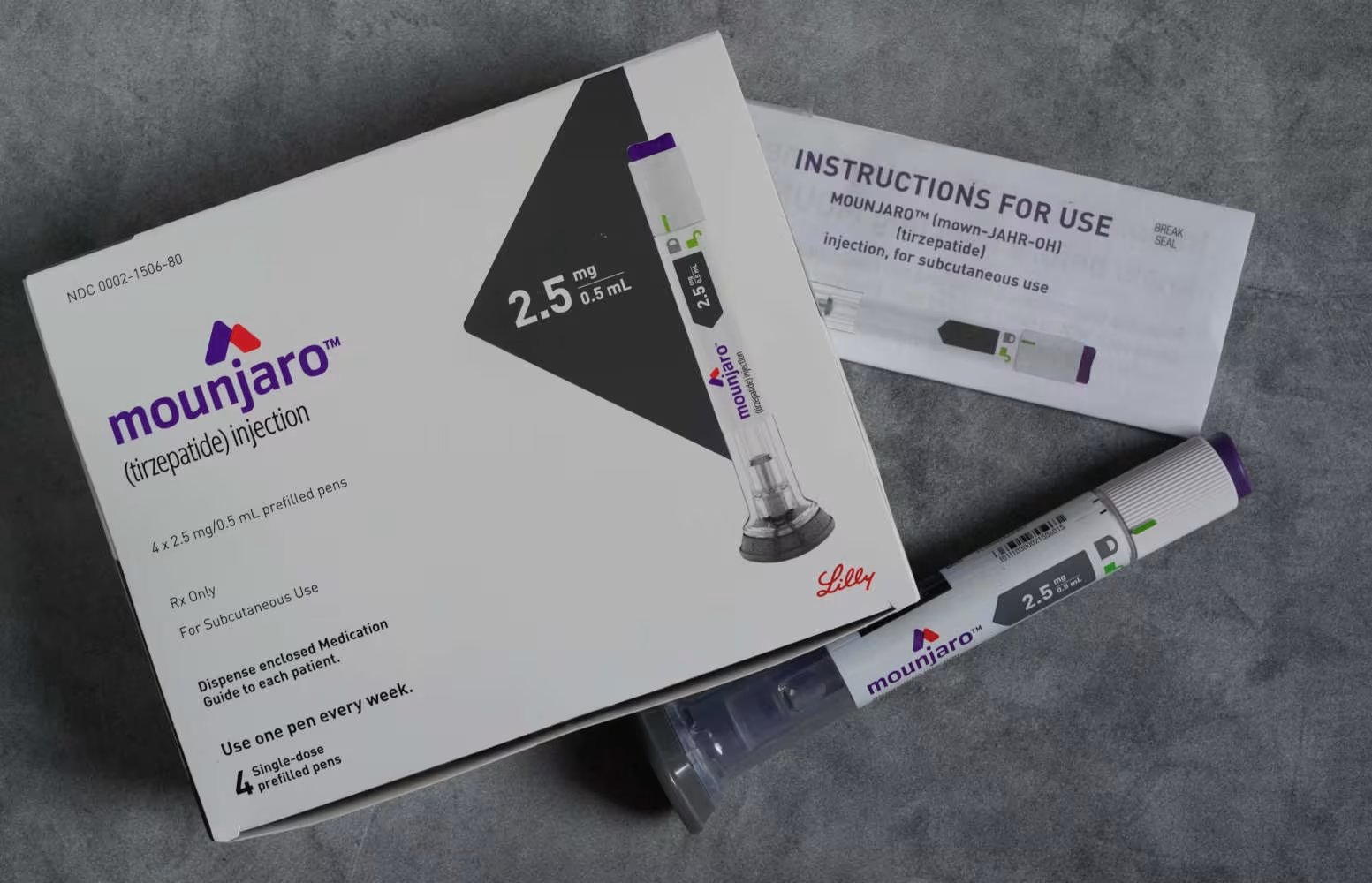
A large number of people search for "Mounjaro tablets", "Ozempic pills" or "Wegovy tablets", so it's worth addressing directly: as marketed in the UK, Wegovy, Mounjaro and Ozempic are all given by subcutaneous injection, typically once a week, using a pre-filled pen designed for self-injection at home. None of them currently exists as an oral tablet under those brand names.
There is a genuinely oral form of semaglutide, sold under the brand name Rybelsus, which is a tablet taken daily rather than a weekly injection. It's licensed in the UK for type 2 diabetes. It isn't the same product as Wegovy or Ozempic in form, and it isn't currently licensed for weight management on its own in the way Wegovy is, though this is an area of ongoing research and worth checking at the point treatment is being considered, since licensing changes periodically.
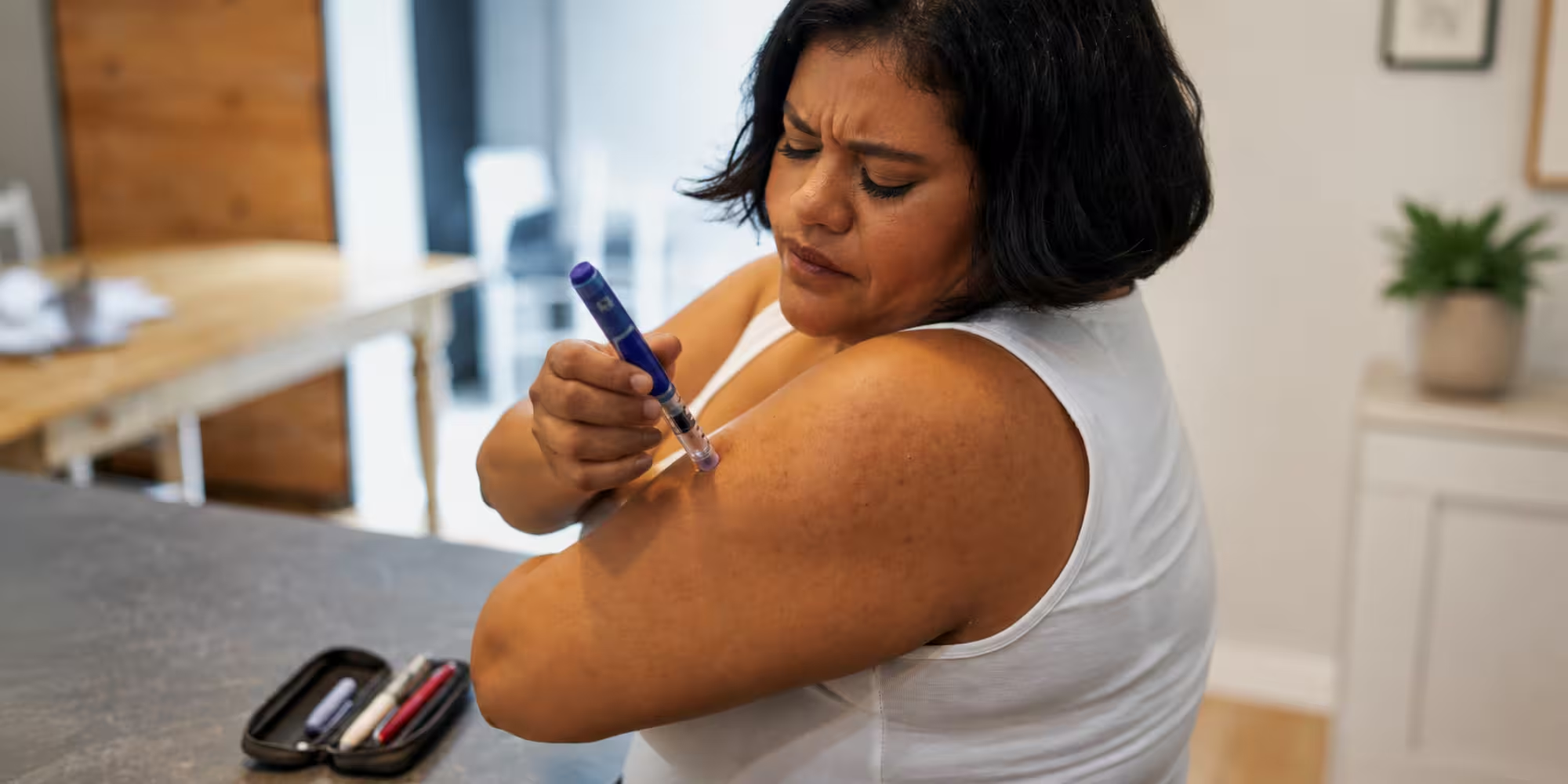
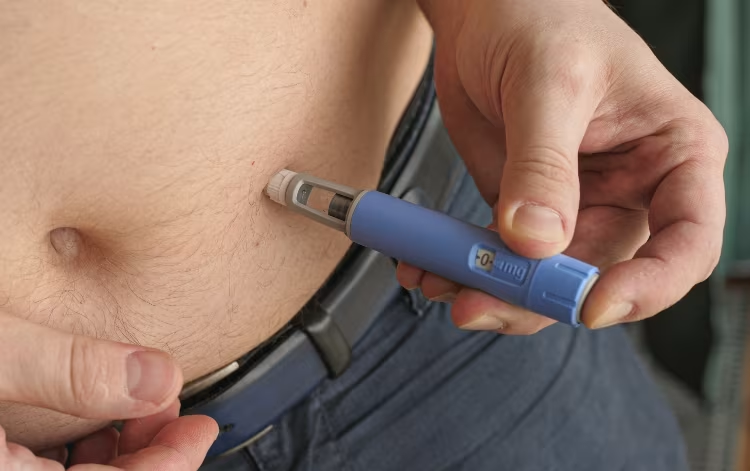
For most patients, the injection itself is less of a barrier than expected. Guidance on how to inject Mounjaro correctly covers the fine needles and self-injection technique in detail, and most people become comfortable with the process within the first few doses. That said, needle anxiety is a real and valid concern for some patients, and it's a legitimate factor to raise with whoever is prescribing treatment.
The side effects most commonly reported with Mounjaro relate to the digestive system, particularly in the early weeks of treatment or after a dose increase:
Less common but more serious risks include gallbladder problems (including gallstones), pancreatitis, and, rarely, a worsening of diabetic retinopathy in people with pre-existing diabetes. Mounjaro is not recommended during pregnancy or breastfeeding, and it carries specific precautions for people with a personal or family history of certain thyroid cancers, which is one of several reasons a proper medical assessment, rather than simply ordering the medication online, matters before starting treatment. Rushing the dose escalation is one of the most common causes of severe nausea and vomiting seen in practice, which is why gradual titration matters.
Wegovy's side effect profile is broadly similar to Mounjaro's, given that both act on related hormone pathways, though Mounjaro's dual mechanism means the two aren't identical in every respect:
As with Mounjaro, gallbladder disease and pancreatitis are recognised, uncommon risks. Wegovy also carries the same precautions around thyroid cancer history and pregnancy. Side effects tend to be most noticeable in the first four to eight weeks, and for most patients who persist through gradual titration, they settle considerably, though a minority do stop treatment due to ongoing gastrointestinal symptoms.
Because Ozempic and Wegovy share the same active ingredient, their side effect profiles overlap substantially:
The hypoglycaemia risk is worth highlighting separately, since it's specific to how Ozempic is typically used, alongside other glucose-lowering medications, in people with type 2 diabetes. This is a further practical reason why using Ozempic off-label for weight loss, outside proper diabetes management and monitoring, isn't recommended without a clear clinical reason and appropriate oversight.
Beyond Rybelsus, patients sometimes ask whether other "weight loss tablets" work in a similar way to Mounjaro, Wegovy or Ozempic. Broadly, older weight loss tablets, such as orlistat, work through a completely different mechanism, reducing fat absorption in the gut, rather than affecting appetite hormones. They tend to produce more modest average weight loss and come with different side effects, mainly gastrointestinal, related to undigested fat passing through the digestive system.
The injectable GLP-1 and GIP medications discussed in this article generally produce more substantial average weight loss in trials than older oral options, though they require ongoing injections, closer monitoring, and are typically more expensive, at least in the private market. A broader overview of semaglutide weight loss injections covers this comparison in more depth. The right choice depends on individual health factors, tolerance of injections, cost, and whether there's an underlying condition, such as type 2 diabetes, that changes which options are appropriate or available on the NHS.
Private prescription costs for these medications vary between providers and change periodically, partly due to fluctuating manufacturer pricing and periods of national shortage, including recent Mounjaro supply and price changes reported across the UK market. As a general guide at the time of writing:
These figures are indicative only and should be checked directly with a prescriber, since prices shift with supply and dose strength. On the NHS, access to Wegovy and Mounjaro for weight management is currently limited and phased, generally via specialist weight management services or, more recently, through a gradual rollout in primary care for people who meet specific clinical criteria. Most people currently accessing these medications for weight loss in the UK are doing so through private prescription, which is why proper clinical assessment beforehand matters so much.
Not accurate. Wegovy and Ozempic share an active ingredient, but Mounjaro is chemically different and works on an additional hormone pathway. Their licensing, intended use and side effect emphasis also differ.
These are prescription-only medicines requiring proper medical assessment, including a check of medical history, current medications, and suitability, before treatment starts. The MHRA warning on counterfeit weight-loss injections highlights the real safety risks of buying these medications without a genuine prescribing assessment, including counterfeit products. A wider safety guide to weight-loss pens covers this in more detail.
For most patients, weight regain is common after stopping treatment unless it's paired with sustained lifestyle changes. These medications are best thought of as one part of a longer-term approach, not a standalone permanent fix.
As discussed above, this isn't currently the case for either brand in the UK. Confusion often arises from Rybelsus, a related but distinct oral semaglutide tablet licensed for diabetes.
Starting low and titrating slowly reduces the likelihood and severity of side effects considerably, but it doesn't eliminate them. Some degree of nausea or digestive change is common, especially in the first two months.
These medications aren't appropriate for everyone. They're generally avoided or used with particular caution in people who:
Before starting any of these treatments, a full review of medical history, current medications, and, often, baseline blood tests, including kidney function and, where relevant, HbA1c and a cholesterol check, matters, since weight loss and improved metabolic health frequently affect cardiovascular risk markers as well. This isn't a box-ticking exercise. It's about making sure the treatment is genuinely appropriate for that individual, rather than assuming one size fits all because it worked well for someone else.
If you're considering any of these medications, a proper private GP appointment or a structured assessment through a health check-up beforehand gives a much clearer picture of whether you're a suitable candidate, and which of the available options fits your particular health profile, rather than choosing based on which name is most talked about online.
Wegovy and Ozempic both contain semaglutide, but Wegovy is licensed for weight management while Ozempic is licensed only for type 2 diabetes. Mounjaro contains tirzepatide, a different active ingredient that acts on two hormone pathways, and is licensed for both diabetes and weight management.
In clinical trials, tirzepatide (Mounjaro) has generally produced greater average weight loss than semaglutide-based treatments, but individual results vary, and Ozempic isn't licensed for weight loss in the UK in the first place, so a direct like-for-like comparison for that purpose isn't straightforward.
Private prescriptions for Mounjaro typically range from around £150 to £250 per month depending on dose, though prices vary between providers and change periodically.
Private prescriptions for Wegovy typically range from around £150 to £220 per month depending on dose, though this varies by provider and can change with supply conditions.
No, not under those brand names. All three are given as weekly injections. A related oral tablet form of semaglutide, Rybelsus, exists and is licensed for type 2 diabetes, but it is a separate product.
The most common side effects are nausea, diarrhoea, constipation and reduced appetite, particularly during dose increases. Less common but more serious risks include gallbladder problems and pancreatitis.
Access is currently limited and phased, generally through specialist weight management services or a gradual primary care rollout for people meeting specific clinical criteria. Most people accessing these medications for weight loss in the UK currently do so via private prescription.
Ozempic is not licensed in the UK for weight loss. Using it for that purpose without a diabetes diagnosis is an off-label use that most reputable prescribers approach with caution, partly due to ongoing supply concerns for people who need it to manage diabetes.
Weight regain after stopping is common unless the weight loss period has been paired with sustained changes to diet, activity and long-term habits. These medications work best as part of a broader, ongoing approach rather than a short-term course.
These medications are generally avoided in pregnancy and breastfeeding, in people with a personal or family history of certain thyroid cancers, in those with a history of pancreatitis, and in people with an eating disorder. A full medical assessment should be carried out before starting.
Same Day Online Booking
No Time Limits Appointments
Online Consultations Available
Latest Blog Posts
Semaglutide Weight Loss Injections - What You Need To Know

WeGovy Weight Loss Injections: A Breakthrough in Weight Management

Weight Loss Pens: A Comprehensive Guide To WeGovy vs. Mounjaro

Weight Loss Pens: Government Issues Warning On Fakes Sold In The UK

Weight Loss Pens: Are They Safe? A Complete Guide
Stricter Weight-Loss Jab Regulations in the UK: What It Means for Patients & Pharmacies
Ready to take the next step?

